Next Fed Meeting Set for 'Family Feud' as Hawks Push for Tightening Under Chairman Warsh
Key Takeaways
- •The upcoming FOMC meeting is expected to produce at least two hawkish dissents from Fed officials favoring tighter policy, a sharp contrast to June's unanimous decision to hold rates steady.
- •Renewed conflict between the United States and Iran has disrupted oil supplies and commercial shipping across the Red Sea, Black Sea, and Persian Gulf, intensifying inflationary pressures since the June gathering.
- •U.S. inflation has remained above the Federal Reserve's 2 percent target for five consecutive years, an unprecedented streak that has steadily eroded household purchasing power and prompted growing calls for firmer action.
- •Investor expectations for a quarter-point rate hike on Wednesday have jumped to 34.2 percent probability, more than doubling from 12.8 percent just one week earlier.
- •Bank of America maintains its forecast for three quarter-point rate increases this year, characterizing the July decision as ultimately Warsh's call given his sufficient votes to move in either direction.
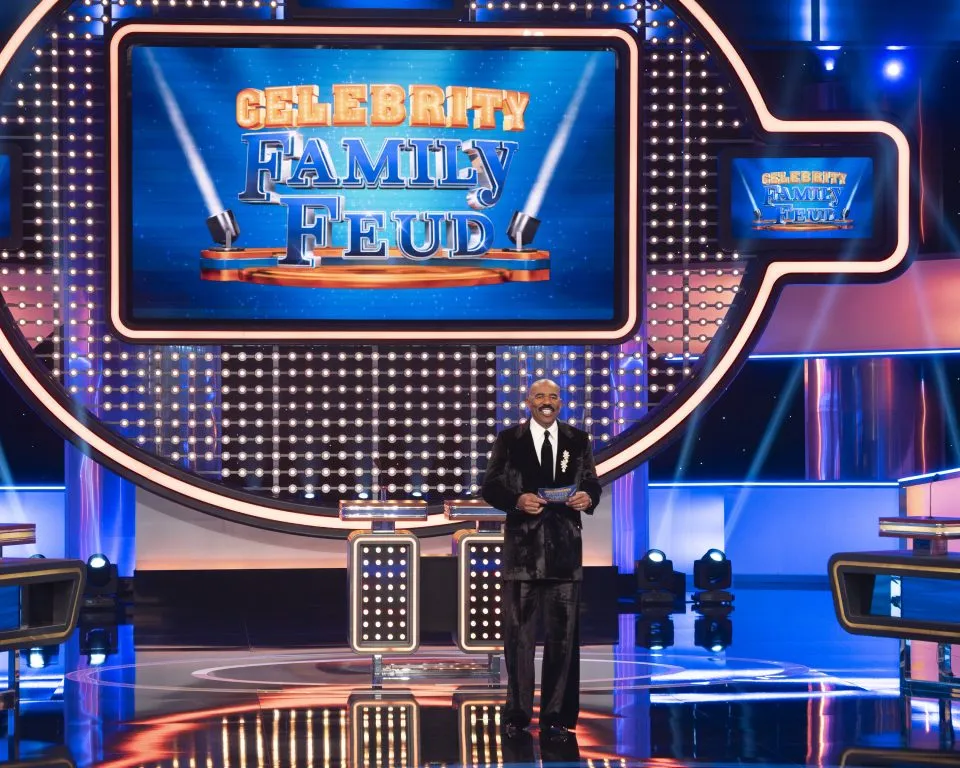
Federal Reserve Chairman Kevin Warsh appears to welcome a vigorous policy debate, and the upcoming Federal Open Market Committee meeting is widely expected to deliver exactly that.
The FOMC convenes Tuesday and Wednesday for what will be Warsh's second meeting as chair. The committee's decision on the federal funds rate ripple through nearly every borrowing cost in the economy, from mortgages and auto loans to credit card interest and corporate debt. Following his inaugural gathering last month, Warsh told reporters that policymakers had engaged in a "good family fight" over interest rates, even though the committee voted unanimously to hold them steady.
The phrase has become a recurring theme for Warsh as he pursues what he describes as regime change at the central bank. Since his nomination hearing in April, Warsh has used the term "family fight" publicly on 13 occasions, according to a CNBC tally.
However, if the June gathering qualified as a family fight, the July meeting could prove even more contentious. Unlike last month's unanimous decision, Wall Street anticipates at least two dissents in favor of tighter policy.
The shift reflects a substantially changed landscape since June. Most notably, the U.S.-Iran ceasefire has unraveled, and renewed hostilities have driven oil prices higher. Oil stockpiles are now approaching operational lows, while commercial shipping faces attacks across the Red Sea, the Black Sea, and the Persian Gulf.
Compounding the inflationary pressure, chip shortages tied to the artificial intelligence boom have pushed consumer electronics prices upward, with major hyperscalers showing no indication that their capital expenditure surge is subsiding.
Several Federal Reserve officials have signaled diminishing patience with persistently elevated inflation, which has remained above the central bank's 2% target for five consecutive years. That stretch of above-target inflation is unprecedented in the Fed's recent history and has steadily eroded purchasing power for households across income levels. Having previously looked through a series of supply-driven price spikes, a growing faction appears prepared to take firmer action.
A better-than-expected June consumer price index report eased some concerns about an immediate rate increase. Yet with oil prices continuing to climb, investors are now assigning 34.2% odds to a quarter-point rate hike on Wednesday, up sharply from 12.8% just one week earlier, according to CME Group's FedWatch tool.
"The July FOMC will be a family feud… just as Kevin Warsh intended," said Oscar Munoz, head of U.S. economics at TD Securities, in a post. "And the survey says… policy will likely stay on hold for an additional meeting. Hawkish momentum is building, however. We expect two hawkish dissents."
Munoz added that hawkish voices within the Fed are growing louder, noting that a sustained surge in energy prices or further evidence that the AI boom is fueling inflation could be enough to trigger a rate hike.
He also cited Fed Governor Chris Waller, who cautioned that "sternly staring at inflation until it melts before our withering gaze is not an option."
Dallas Fed President Lorie Logan said earlier this month that "inflation has been too high, for too long, and does not appear to be on track all the way back to 2%," with price risks skewed to the upside.
Cleveland Fed President Beth Hammack similarly described inflation as excessive and indicated that the labor market is "right around my level of maximum employment," suggesting greater emphasis on price stability over employment. Under the Fed's dual mandate, policymakers are charged with balancing both goals, and Hammack's framing signals that at least some officials now see the employment side of the ledger as sufficiently healthy to prioritize inflation.
"For the first time in my tenure, I'm hearing from businesses who say they think we need to take action to curb inflation, and from consumers who can't make ends meet about a growing sense of despair," Hammack wrote in a social media post.
JPMorgan chief U.S. economist Michael Feroli echoed Munoz's assessment, forecasting a "contested decision" with at least two hawkish dissents from Hammack and Logan. However, Feroli also pointed to signs of patience from Vice Chairman Philip Jefferson, Governor Lisa Cook, and New York Fed President John Williams. Given their positions, securing a rate hike would require an "impassioned case" from Warsh to win a majority, Feroli wrote in a note.
Economists at Bank of America described the meeting as a close call due to the oil price spike. While their base case is for rates to remain unchanged, they noted that Warsh could tip the balance.
"Not hiking could challenge the Fed's credibility on inflation. But raising rates would go against his framework of looking through supply shocks. We think July is Warsh's call as he has enough votes either way. He has strategic incentives to hike soon," Bank of America said, reiterating its forecast for three quarter-point rate increases this year.

