Fed Pauses Rate Hikes at 3.75%–4.00% — Crypto Gets Five Dates to Watch
Key Takeaways
- •The FOMC kept the federal funds rate at 3.75%–4.00% on October 28 in a 10–2 vote, with Governor Lisa Cook and Cleveland Fed President Beth Hammack dissenting in favor of a quarter-point increase.
- •September CPI rose 3.7% year over year and 0.6% on the month, with a 9.1% gasoline jump accounting for more than half the monthly gain, while core CPI accelerated to 2.6% from 2.4% in August.
- •CME FedWatch data showed the probability of a December rate hike at roughly three in four, up from about 42% a month earlier, after a 90.6% chance of an October hold had been priced in.
- •Kevin Warsh declined to preview any upcoming decisions, saying he does not prejudge meetings, and the next Summary of Economic Projections and dot plot are due at the December 9 FOMC decision.
- •Bitcoin entered the decision near $80,000, with the 10-year Treasury just under 5% and the 30-year above 5.3%, as elevated yields raise the opportunity cost of holding non-yielding assets.
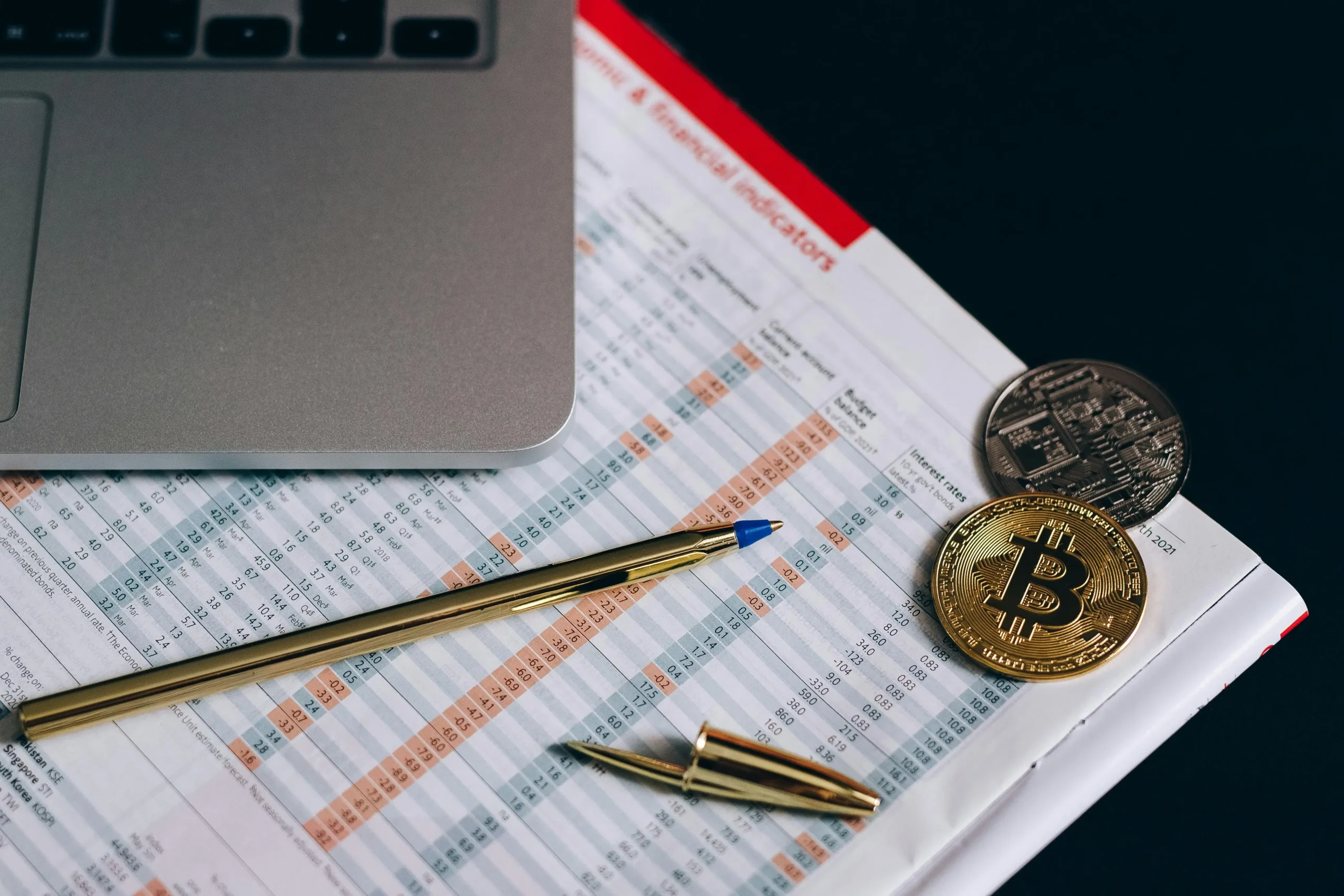
The Federal Open Market Committee left its benchmark rate unchanged at 3.75%–4.00% at its October 28 meeting, approving the hold by a 10–2 vote and keeping policy where it landed after September's quarter-point increase — the central bank's first hike since 2023. Governor Lisa Cook and Cleveland Fed President Beth Hammack dissented, preferring to raise the target range by a quarter point at this meeting. The benchmark in question is the federal funds rate, what banks charge one another for overnight loans, and it anchors the base cost of credit across the financial system.
The statement does not name a date for the next move. After describing inflation as elevated, the Committee wrote: "The accumulation of more information will help the Committee determine the policy stance appropriate to ensure a timely return of inflation to the Committee's 2 percent goal." The paragraph ends with a five-word commitment: "The Committee will deliver price stability."
Nothing in the growth assessment points to a slowdown that would argue against further tightening. Policymakers described activity as expanding at a strong pace, with resilient domestic spending, strong productivity growth and robust capital investment. Job gains have kept pace with the workforce, and unemployment has changed little. The one caution was elevated uncertainty, which the Fed attributed partly to geopolitical developments.
A pause, not a change of direction
Few traders expected anything else. A Bitcoin outlook published Monday cited a 90.6% probability of a hold on CME FedWatch, a tool that converts federal funds futures prices into implied odds for each policy outcome, and a month earlier that figure had been close to a coin toss.
What changed over those weeks was the calendar. Deutsche Bank economists argued before the meeting that the Fed might want to "stay out of the headlines for raising rates just ahead of a midterm election" in which affordability dominates the debate. Most officials had already penciled in one more increase this year in their September projections, and December was the obvious slot for it.
That leaves the hold looking less like relief and more like postponement. According to CME FedWatch data earlier this week, futures traders put the odds of a December hike at roughly three in four, up from about 42% a month before.
The inflation numbers behind the hawkish lean
September's consumer price index, published October 14 by the Bureau of Labor Statistics, showed prices up 3.7% from a year earlier and 0.6% in the month alone. Gasoline jumped 9.1% and accounted for more than half of the monthly rise, as the US–Iran war kept crude near $100 a barrel.
Energy explains the headline, but not everything. Core CPI, which strips out food and fuel, climbed to 2.6% year over year from 2.4% in August, with shelter, airfares, medical care and used vehicles all moving higher. A rising core rate is harder for the Fed to look through than a gasoline spike.
Warsh isn't handing out a roadmap
Kevin Warsh has made a point of refusing to pre-commit. Speaking at the IMF and World Bank meetings in Bangkok on October 16, he said "I don't prejudge meetings" and declined to preview any decision for the rest of the year. He framed September's move as removing some accommodation to secure price stability.
October's meeting also came without a new Summary of Economic Projections, the quarterly compilation of officials' forecasts for growth, employment, inflation and the federal funds rate. The next set of projections, including the dot plot of officials' rate expectations, is due with the December decision.
With little guidance from the chair, other policymakers may say more. The pre-meeting communications blackout — the stretch before each decision when officials hold off on policy commentary — runs through October 29, so FOMC participants can speak publicly again from October 30. Hammack's vote continues a pattern: in July she dissented in favor of a hike alongside Minneapolis Fed President Neel Kashkari and Dallas Fed President Lorie Logan. This time Kashkari and Logan backed the hold while Cook joined Hammack, and the first speeches after the meeting will show how broad the case for a December move has become.
How the rate path reaches Bitcoin
Bitcoin went into the decision near $80,000. The channel to watch is yields: the 10-year Treasury traded just under 5% on Tuesday morning, and the 30-year was above 5.3%. When safe government debt pays that much, holding an asset with no yield costs more, and a firmer December outlook would add to that pressure through bond yields and the dollar.
September offers a useful reference. Bitcoin traded near $76,000 on the day the Fed raised rates and climbed above $85,000 by September 30, after a cooler inflation reading. The decision itself mattered less than the data that followed it.
Five dates between now and December 9
- October 29 — the PCE and GDP figures land at 8:30 a.m. ET, with PCE serving as the Fed's preferred inflation gauge.
- October 30 — the pre-meeting communications blackout ends and FOMC participants can speak publicly again.
- October jobs report — due to reach policymakers before the December meeting.
- October CPI report — also in hand before December 9.
- December 9 — the FOMC's next decision, accompanied by the new Summary of Economic Projections and dot plot.
The midterm record needs context
For crypto companies, the election matters mainly through Congress: committee leadership and the fate of market-structure legislation depend on who controls each chamber.
The price history is weaker evidence. Coindoo's earlier analysis found Bitcoin fell roughly 53%, 24% and 21% during late-summer stretches before the 2014, 2018 and 2022 midterms. All three episodes came during wider crypto bear markets that overlapped with the halving cycle, Bitcoin's roughly four-year schedule for cutting the new supply of coins in half, so the pattern says more about those cycles than about voting.
In the end, the four data releases due before December 9 will carry more weight in the Fed's December decision than the pause itself.
This article is provided for informational purposes only and does not constitute financial or investment advice. Policy expectations, economic data and political developments can affect cryptocurrency markets unpredictably. It originally appeared on Coindoo.

