Fed May Hold Rates Steady After Weak July Jobs Report and Cooling Inflation
Key Takeaways
- •The U.S. economy unexpectedly shed 23,000 jobs in July, with the unemployment rate rising to 4.1% and prior-month employment figures revised downward.
- •The Federal Reserve's target interest rate range remains at 3.50%–3.75%, where it has held since the late-July FOMC meeting.
- •The probability of a September rate increase has dropped to 35.5% in interest-rate futures markets, down from approximately 60% one week earlier.
- •Upcoming Consumer Price Index and Personal Consumption Expenditures reports will be closely monitored for signals on whether the Fed is likely to pause its rate-hike campaign.
- •Fed Chair Jerome Powell has reiterated that monetary policy decisions will remain data-dependent, with upcoming labor and consumer spending data also factoring into the central bank's assessment.
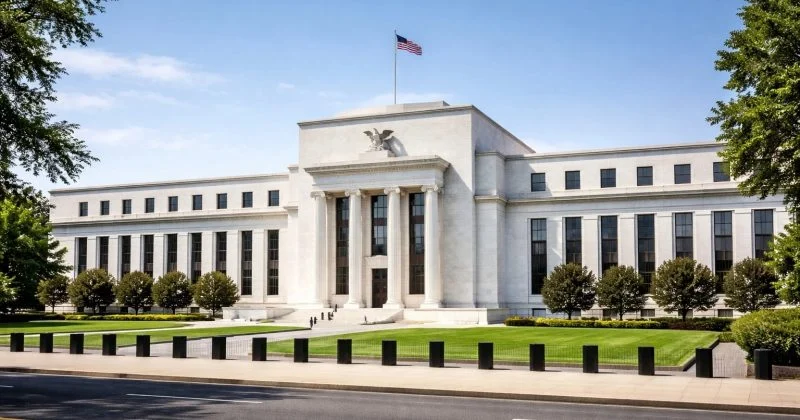
The Federal Reserve may opt to keep interest rates unchanged at its upcoming meeting, as a weaker-than-expected July jobs report and signs of easing inflation reshape market expectations for the central bank's next move. The potential pause comes after a sustained tightening cycle in which the Fed has raised borrowing costs to their highest levels in years to combat inflation that surged to multi-decade highs in 2022.
Bloomberg Economics' AnnaEconomist noted that these labor market and inflation indicators could weigh heavily on the Fed's decision-making process heading into September. The Federal Open Market Committee (FOMC), the Fed's monetary policymaking body, regularly assesses employment and price stability data—its dual mandate—when setting the federal funds rate. Balancing those objectives has grown more delicate: cutting rates too soon risks rekindling inflation, while keeping them elevated for too long could tip the economy into recession.
According to the latest data, the U.S. economy shed 23,000 jobs in July, a contraction that caught analysts off guard. The unemployment rate ticked up to 4.1%, while figures from prior months were revised downward, suggesting the labor market has been softer than initially reported. Job creation had already shown signs of moderation in the preceding months, part of a broader cooling trend visible in declining job openings and slower wage growth.
The Fed's target interest rate range currently stands at 3.50%–3.75%, a level that has held steady since the late-July FOMC meeting. The federal funds rate serves as the benchmark for short-term borrowing costs across the economy, influencing everything from mortgage rates to credit card interest. The cumulative effect of the tightening cycle has been felt across interest-sensitive sectors, with housing activity in particular retreating from higher mortgage costs and businesses scaling back capital spending.
Market participants have responded to the cooling labor data by dialing back expectations for a September rate hike. The probability of an increase at the next meeting, as priced into interest-rate futures, has dropped to 35.5%—down sharply from approximately 60% just one week earlier. This rapid repricing illustrates how sensitive bond and equity markets have become to each incoming data point, as traders refine their assessments of the likely endpoint of the Fed's rate-hike campaign.
Upcoming inflation reports will be closely watched, as they could either reinforce or challenge the current market perception that the Fed is leaning toward a pause. Consumer Price Index (CPI) and Personal Consumption Expenditures (PCE) data are among the key metrics the FOMC monitors to gauge price pressures. The Fed places particular emphasis on the core PCE measure, which excludes volatile food and energy components and is viewed as a more reliable signal of underlying inflation trends.
Statements from senior Federal Reserve officials, including Chair Jerome Powell, are also expected to provide further insight into the likelihood of any rate adjustment. Powell has repeatedly emphasized that policy decisions remain data-dependent. Additionally, any geopolitical or financial developments that alter the economic outlook could factor into the Fed's considerations ahead of its September meeting. Before then, analysts will be monitoring weekly initial jobless claims for real-time labor market signals, as well as the next retail sales release for evidence of whether consumer spending—long a pillar of economic expansion—is holding up under higher borrowing costs.
