US Approves First New Sunscreen Filter in Over Two Decades, But K-Beauty Gap Persists
Key Takeaways
- •The FDA approved bemotrizinol in June, making it the first new sunscreen active ingredient added to the U.S. over-the-counter monograph since the late 1990s.
- •Bemotrizinol is a broad-spectrum UV filter already widely used across South Korea, Europe, and other international markets, where it protects against both UVA and UVB rays with high photostability.
- •The European Union has approved roughly two dozen UV filters for sunscreen use, whereas the United States has historically authorized fewer than half that number.
- •Several other newer-generation UV filters commonly found in Korean sunscreens, including Uvinul A Plus, Uvinul T150, Tinosorb M, and Uvasorb HEB, remain unapproved as active ingredients in the United States.
- •Because sunscreens are regulated as over-the-counter drugs in the U.S., manufacturers must still complete formulation, testing, labeling, manufacturing, and distribution steps before new products containing bemotrizinol reach consumers.
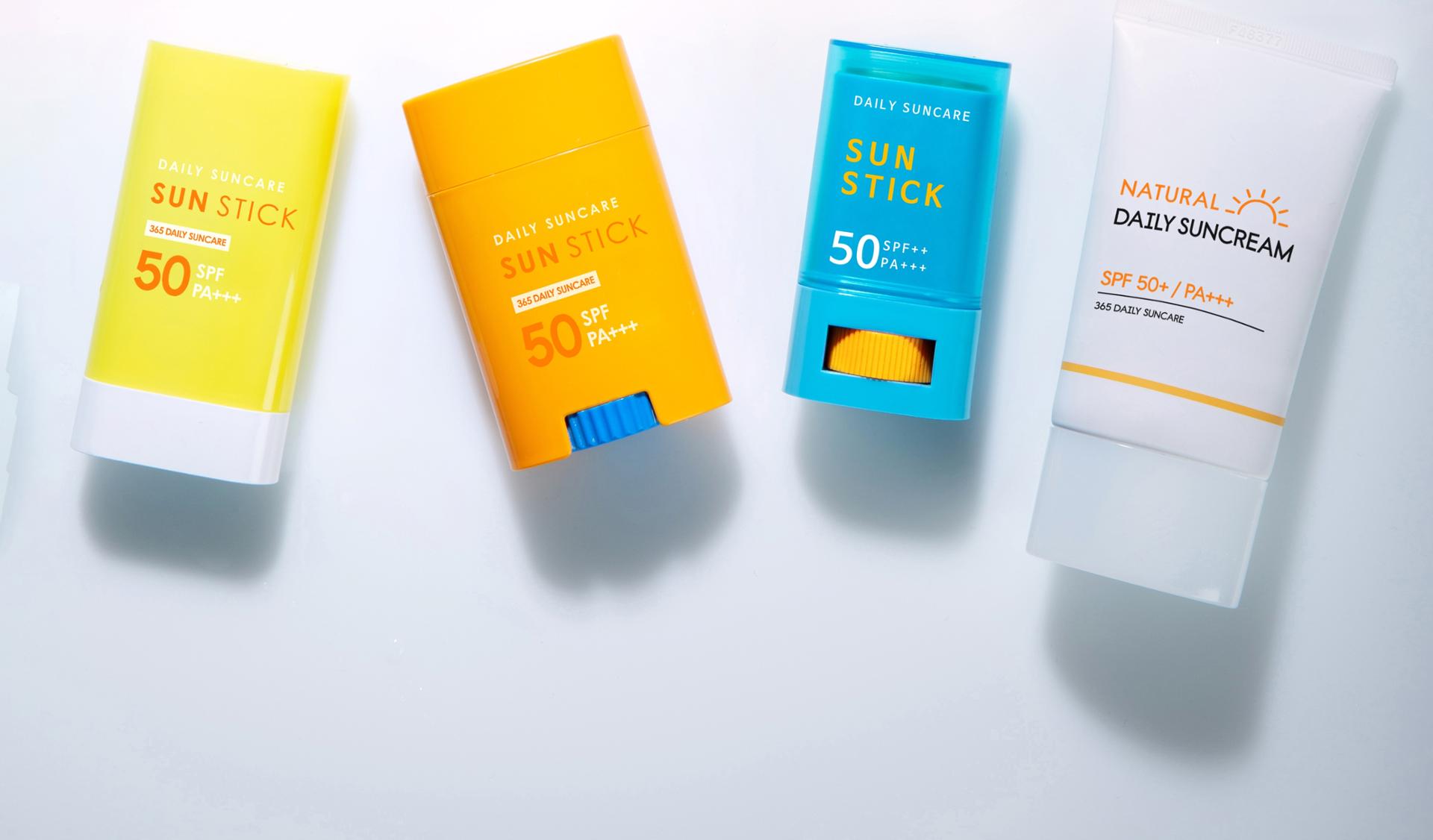
SEATTLE — The United States has approved its first new sunscreen filter in more than two decades, a milestone for a market that has lagged behind Asia and Europe in sun protection innovation. But for American devotees of Korean skincare, the central question remains: is a single new ingredient enough to close the gap?
In June, the Food and Drug Administration approved bemotrizinol, a broad-spectrum ultraviolet filter already widely used in sunscreens across South Korea, Europe, and other international markets. It is the first new active ingredient added to the U.S. over-the-counter sunscreen monograph since the late 1990s. Bemotrizinol itself had been pending FDA review for years, submitted through the agency's Time and Extent Application process, which has been criticized by industry stakeholders as cumbersome and slow.
Also known as BEMT or Tinosorb S, the ingredient shields against both UVA and UVB rays and is highly photostable, retaining its effectiveness under sun exposure. The European Union has approved roughly two dozen UV filters for use in sunscreens, while the U.S. has historically authorized fewer than half that number — a gap that has persisted even as skin cancer rates remain a significant public health concern in America.
The approval signals a notable shift for a U.S. sunscreen industry that has long operated with fewer UV filter options than its overseas counterparts. The FDA itself acknowledged last year that it had "historically moved too slowly" on sunscreen innovation, leaving American consumers with a narrower selection than those abroad. The U.S. regulates sunscreens as over-the-counter drugs, a classification that imposes a more rigorous approval pathway than in countries where certain sun protection products are regulated as cosmetics.
That regulatory gap is a key reason Korean sunscreens have cultivated such a loyal following among American beauty consumers. Enthusiasts have praised the lightweight textures and advanced formulations that incorporate newer UV filters unavailable in the U.S., with many turning to international retailers to purchase their preferred products.
For American sunscreen manufacturers, bemotrizinol represents an opportunity to begin narrowing that divide.
"Tinosorb S represents decades of BASF innovation in photoprotection," said Brandon Crist, vice president of Business Management at BASF Personal Care Americas. "Following this FDA approval, we are proud to introduce this advanced UV filter to the U.S. market, providing formulators a new opportunity to deliver the high-performance, broad-spectrum sun protection that today's consumers demand."
The approval could also benefit Asian manufacturers. BASF noted in a separate Asia-Pacific announcement that the decision creates "new growth opportunities for customers across the Asia Pacific region," potentially enabling companies to develop formulations that comply with U.S. regulations.
However, for K-beauty adherents, the FDA's decision has limited reach. Bemotrizinol is just one of several newer-generation UV filters commonly found in Korean sunscreens. Popular formulations frequently combine multiple filters — including Uvinul A Plus, Uvinul T150, Tinosorb M, and Uvasorb HEB — none of which are currently approved as active sunscreen ingredients in the United States. Several of these filters have also been awaiting FDA review, and whether bemotrizinol's approval signals a faster pathway for those pending ingredients remains unclear.
Consequently, the approval will not immediately place many of the Korean sunscreens Americans have been importing on U.S. store shelves in their original formulations. Nor will new products containing bemotrizinol appear overnight.
Lily Park, a dermatologist specializing in Korean skincare and cosmetic dermatology, noted that sunscreen makers still face an extensive process to develop and launch new formulations.
"Don't expect every brand to have them on shelves right away," Park wrote in a recent public post. Because sunscreen is regulated as a drug in the U.S., companies must complete formulation, testing, labeling, manufacturing, and distribution steps to meet regulatory requirements.
"The first wave of products might just come from companies that are already ahead of the curve," she wrote.
That timeline may not concern Korean sunscreen loyalists, who show little inclination to abandon the products they currently use.
On Reddit communities dedicated to Korean and Asian beauty, the announcement generated both excitement and skepticism regarding how much impact a single approval would have on the U.S. sunscreen market. Some users welcomed the prospect of improved domestic options but indicated they would continue using Korean sunscreens. One commenter cited exclusive use of Korean products, describing them as less greasy and more readily absorbed than American alternatives.
Others focused immediately on the limitations of the FDA's decision. In a separate discussion, users highlighted that Korean sunscreens typically contain multiple UV filters, meaning that approving bemotrizinol alone does not render those existing formulations compliant with U.S. regulations.
For the U.S. sunscreen industry, bemotrizinol provides a starting point for closing the gap with international markets. But for consumers already accustomed to Korean formulations, convincing them that American sunscreen has caught up will likely require more than a single new filter.
Source: The Korea Times
