FCTA Transport Secretariat to Address Low Fares and Excessive Commissions on Uber, Bolt, and inDrive
Key Takeaways
- •The Public Complaints Commission directed the FCTA Transport Secretariat to ensure that Uber, Bolt, inDrive, and other app-based transport companies address driver complaints regarding arbitrary deactivation, excessive commissions, and low fares.
- •The investigation was triggered by a petition from AUATON Abuja Council Chairman Evans Agada, who raised concerns about unsustainable platform policies affecting driver revenue.
- •Uber and inDrive failed to attend the investigative hearing, while Bolt and FCTA representatives were present, prompting calls for regulators to compel their participation in future sessions.
- •The Transport Secretariat has committed to providing the Public Complaints Commission with feedback on its progress by August 12, 2026.
- •The absence of dedicated nationwide ride-hailing regulations has left commission rates, fare structures, and deactivation policies largely at the discretion of the platforms.
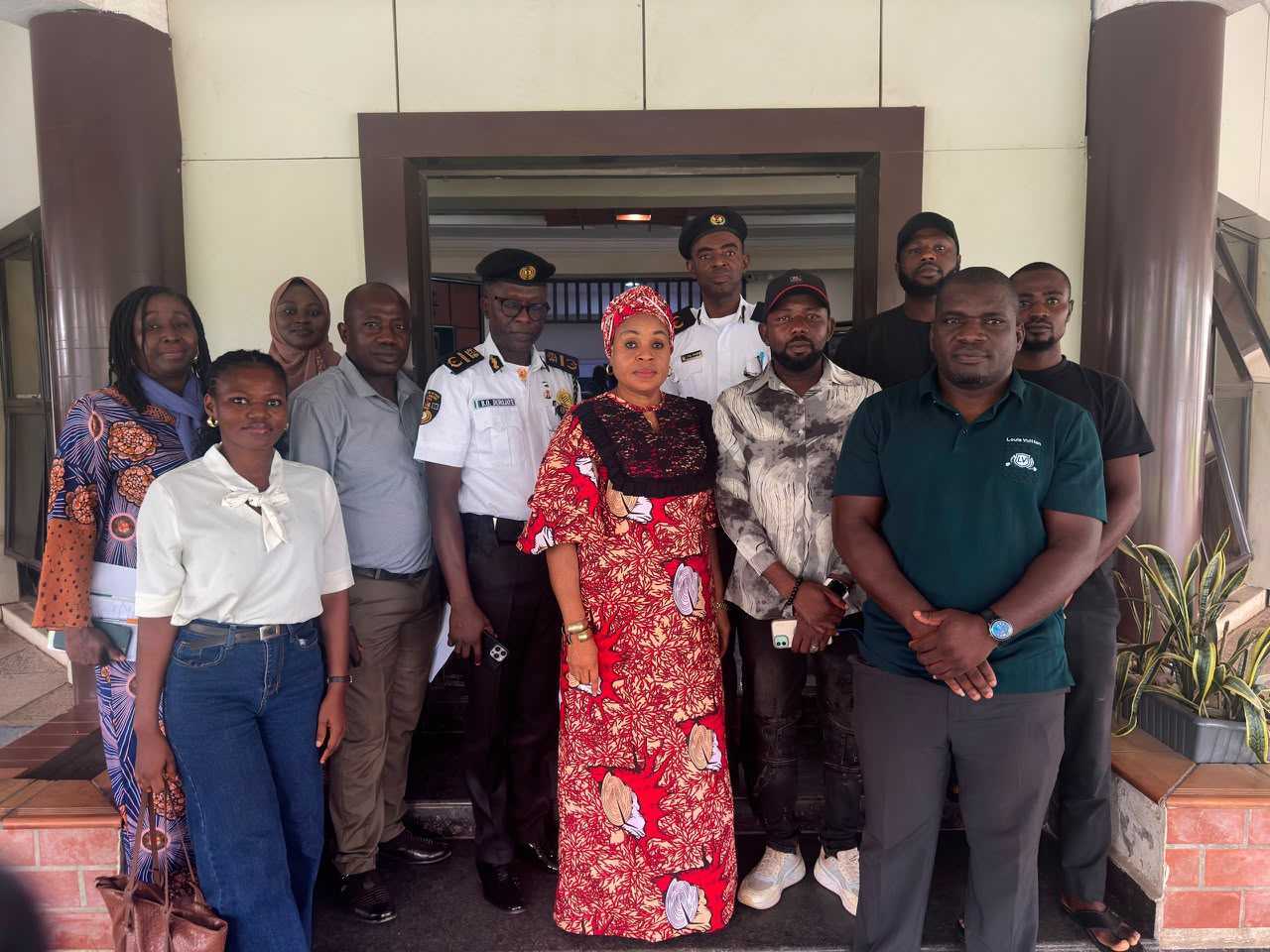
The Transport Secretariat of the Federal Capital Territory Administration (FCTA) has committed to tackling low fares, excessive commissions, and other issues eroding driver revenue on ride-hailing platforms such as Uber, Bolt, and inDrive. The decision emerged from the Public Complaints Commission's (PCC) ongoing investigation into the matter — a notable intervention by Nigeria's federal ombudsman into a gig economy sector that has operated largely without dedicated nationwide ride-hailing regulations.
The probe follows a petition filed by Evans Agada, Chairman of the Abuja Council of the Amalgamated Union of App-based Transporters of Nigeria (AUATON), who brought the e-hailing companies before the PCC over arbitrary deactivation, excessive commissions, and unsustainable fares. AUATON is one of several app-based transport unions that have emerged across Nigeria as drivers organise to push back against platform policies they describe as one-sided. The commission subsequently invited the app-based companies and their FCT regulator to an investigative hearing.
The hearing was attended by the FCTA Transport Secretariat, AUATON representatives, and Bolt. Uber and inDrive were conspicuously absent. After AUATON presented its concerns, the FCTA Transport Secretariat representative, Mr Durojaye, elaborated on the issues of arbitrary deactivation without fair hearing, excessive commission, and low and unsustainable fares, acknowledging the need for urgent attention.
Following extensive deliberations, the Public Complaints Commission directed the FCT Transport Secretariat to ensure that Uber, Bolt, inDrive, and other app-based transport companies address the issues in the interest of drivers and the broader industry.
"Mr Durojaye also assured the Commission that the Transport Secretariat would work on the three key issues presented by AUATON FCT Council and provide feedback to the Commission on or before 12th August 2026," a report on the matter stated.
AUATON 'Cautiously Optimistic' About Compliance
Speaking with Technext after the session, Evans Agada expressed "reasonable satisfaction" with the process so far, noting that the PCC listened to the union's complaints and has remained consistent in pursuing a resolution.
"I am hopeful but cautiously optimistic. The fact that the Transport Secretariat has been directed to work on the three major issues we raised is a positive step. However, I will be more satisfied when we begin to see concrete results for drivers," he said.
Agada emphasised that the three core issues — arbitrary deactivation, high commission, and low fares — are critically important, and expressed hope that the FCTA Transport Secretariat will return to the PCC with meaningful progress on or before 12 August 2026. In the meantime, the union will continue engaging with relevant authorities to advance drivers' interests.
Reacting to the absence of Uber and inDrive representatives, Agada urged the PCC and the Transport Secretariat to directly address their non-attendance and ensure they honour subsequent meetings.
"Since the Transport Secretariat has the responsibility to regulate the operators, we expect them to ensure that all the major platforms are brought to the table in subsequent engagements. Our position is that whatever resolutions are reached should cover all app-based transport companies operating in Abuja, not just one or two platforms," Evans said.
Broader Context: Driver Complaints and Industry Challenges
The three issues under review cut across the activities of both drivers and the ride-hailing platforms they operate on. Recently, a union leader accused Bolt of deactivating a driver's account simply for raising serious concerns about low fares — a matter made more pressing by a recent hike in the pump price of fuel. Bolt denied the allegation, stating that the driver's account remains active and that he has refused to work.
The debate over commissions has persisted since the inception of the e-hailing industry. The situation is further complicated by the absence of regulations establishing a benchmark for what platforms like Uber, Bolt, and inDrive can charge drivers — a gap that has left commission rates, fare structures, and deactivation policies almost entirely at the discretion of the platforms. The introduction of value-added tax (VAT) added another layer of complexity, with drivers accusing the companies of inflating their commissions under the guise of VAT collection.
The FCTA's August 2026 feedback deadline will be closely watched by drivers and platform companies alike, as any regulatory template established in Abuja could influence how other Nigerian states approach similar disputes in a sector where tens of thousands of livelihoods are at stake. It remains to be seen whether the PCC and Transport Secretariat's intervention will bring tangible relief to drivers across Abuja's ride-hailing sector.

