FCC Adds Foreign-Made Robots and Power Inverters to National Security Covered List
Key Takeaways
- •The FCC has added foreign-made advanced robotic devices and connected power inverters to its Covered List, effectively preventing new models from receiving FCC equipment authorization.
- •The restriction covers any new robotic device weighing over 4.4 pounds that connects to the internet and can perceive its environment, extending to consumer products such as robot vacuums and lawnmowers.
- •Products that have already received FCC authorization remain unaffected, and consumers may continue using devices they already own while retailers may continue selling previously approved models.
- •Connected power inverters, which are essential components in solar energy installations, were included due to concerns they could be exploited to disrupt the power grid or provide unauthorized access to critical systems.
- •Manufacturers can still pursue FCC authorization if they first obtain Conditional Approval from the Department of Defense for robotics or the Department of Homeland Security for power inverters.
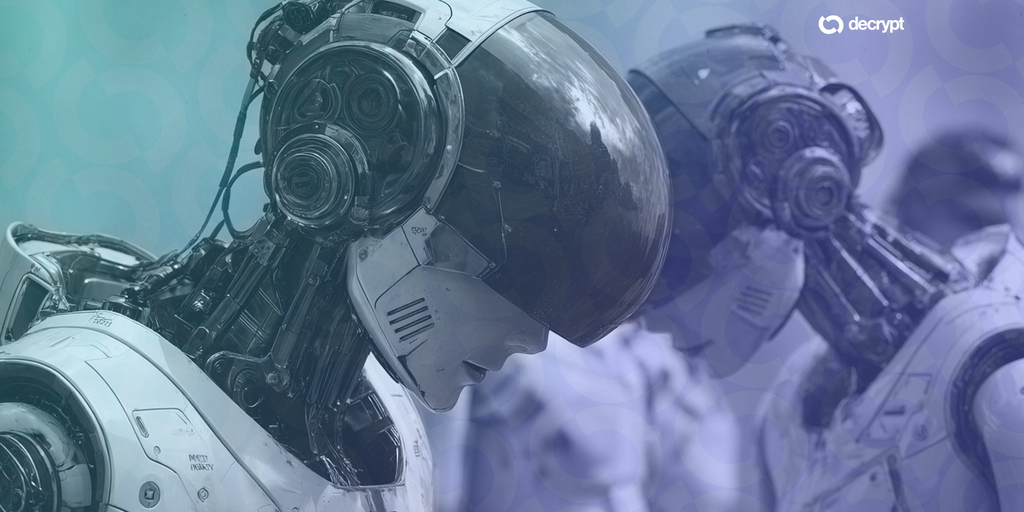
The U.S. Federal Communications Commission has added foreign-made advanced robotic devices—including humanoid and quadruped robots—and connected power inverters to its Covered List, effectively barring new models from receiving FCC equipment authorization. The move targets products primarily from China and extends well beyond humanoid robots to encompass everyday devices such as robot vacuum cleaners.
The FCC announced the action in a press release on Tuesday, following findings by a White House-convened interagency group that concluded these products could create supply chain vulnerabilities and cybersecurity risks affecting critical infrastructure and public safety.
"I welcome these Executive Branch national security determinations, and I am pleased that the FCC has now added foreign-produced advanced robotics and power inverters to the FCC's Covered List," FCC Chairman Brendan Carr said in a statement. "Following President Trump's leadership, the FCC will continue to do our part to secure America's critical supply chains, and with today's action, the FCC is acting in lock step with our national security agencies to do just that."
The Covered List identifies communications equipment that the U.S. government deems a threat to national security. Products placed on the list generally cannot receive new FCC equipment authorization, which most electronic devices require before being imported, marketed, or sold in the United States. The list previously focused on telecom networking gear from companies such as Huawei and ZTE, and this expansion into robotics and power inverters marks one of the broadest extensions of the designation into consumer IoT and energy infrastructure devices.
While the FCC's initial announcement referenced humanoid and quadruped robots, the regulator confirmed to The Verge that the ban covers a significantly broader range of devices. The definition essentially encompasses any new robotic device weighing more than 4.4 pounds that connects to the internet and can perceive its environment. That means the restriction extends to robot vacuum cleaners such as Roombas, robotic lawnmowers, delivery robots, and similar products.
U.S. national security agencies warned that internet-connected robots could collect sensitive data, be used to monitor Americans, or potentially be taken over remotely. They also cautioned that connected power inverters—devices that convert electricity between different forms for use on the power grid—could be exploited to disrupt portions of the grid, steal data, or provide attackers with unauthorized access to critical systems. Power inverters are also essential components in solar energy installations, where they convert direct current from solar panels into grid-compatible alternating current, giving the restriction potential reach across the renewable energy supply chain.
The restrictions apply exclusively to future device models seeking FCC approval. Products that have already been authorized are unaffected, and consumers may continue using devices they already own. Retailers are also permitted to continue selling previously approved models. Additionally, the action does not impact purchases or use by federal agencies.
According to the FCC, manufacturers can still pursue FCC authorization provided they first obtain Conditional Approval from the Department of Defense—or, in the case of power inverters, the Department of Homeland Security—after those agencies determine the products do not pose unacceptable national security risks.
The FCC's action comes as China races to become a global leader in humanoid robotics. Chinese companies including Alibaba and Unitree have accelerated development over the past year. Alibaba unveiled its Qwen-Robot AI software platform in June, while Unitree has been pushing low-cost humanoid robots into universities, startups, and research labs worldwide.

