FCC Blocks Chinese Humanoid Robot Imports Over Security Risks
Key Takeaways
- •The FCC ban targets imports of Chinese robots and power inverters, along with new humanoids, quadrupeds and other connected mobile machines.
- •Previously authorized models are not covered by the restriction at this stage.
- •The FCC said the devices pose security risks because they can collect data, map spaces, record audio or video, and connect to workplace or warehouse networks.
- •China’s foreign ministry accused the United States of overextending national security concerns and said the move would hurt U.S. companies and consumers.
- •The action is part of a wider Trump administration push to reduce dependence on Chinese supply chains in the AI and robotics sectors.
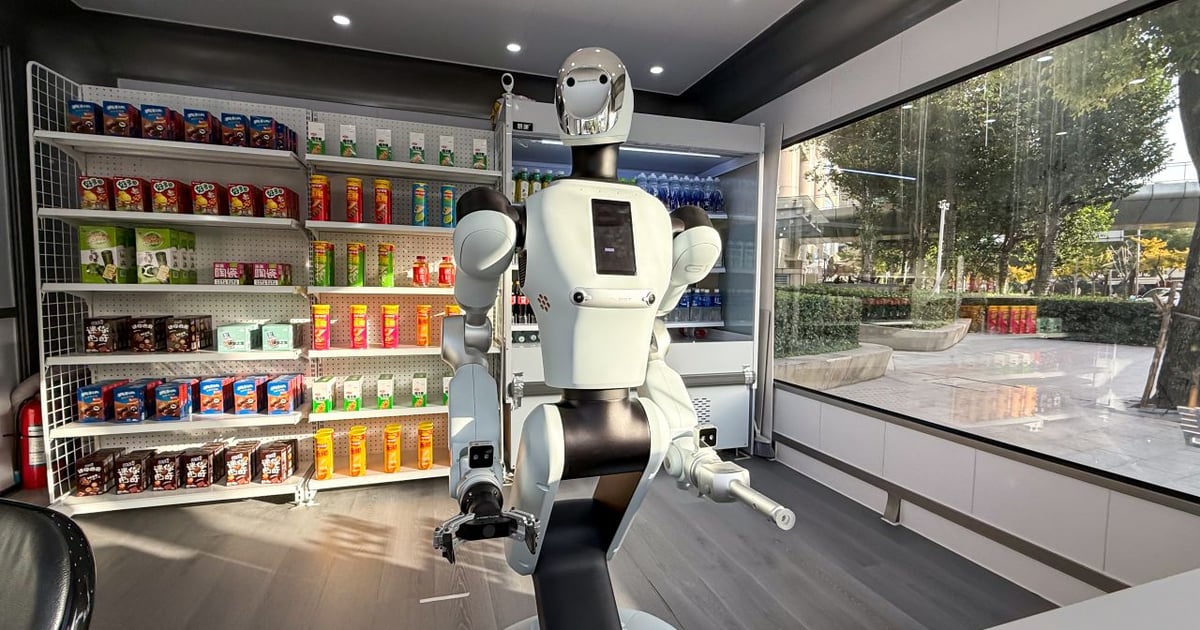
The Trump administration has imposed a ban on foreign-made humanoid robot imports, citing “unacceptable risks” to U.S. national security.
The ban, issued Tuesday by the Federal Communications Commission (FCC), specifically targets imports of Chinese robots and power inverters. Power inverters are used to connect renewable energy sources and batteries to grids and data center equipment.
The restriction applies to all new humanoids, quadrupeds and a broad range of connected mobile machines. Previously authorized models are not affected for now.
According to the FCC, the action addresses security risks linked to the sensitive data collected by advanced robotic systems, including devices that can map physical spaces, record audio or video, and connect to networks used in workplaces or warehouses.
“Advanced robotic devices collect data that could be leveraged by malign actors to surveil Americans, enhance the capabilities of foreign intelligence services, or to remotely commandeer the robots,” FCC officials wrote.
FCC Chairman Brendan Carr said in a release, “The FCC will continue to do our part to secure America’s critical supply chains. With today’s action, the FCC is acting in lock step with our national security agencies to do just that.”
The agency has added the affected products to its Covered List, a register of communications equipment and services deemed to pose an unacceptable risk to U.S. national security.
China responded quickly. Chinese foreign ministry spokesperson Mao Ning accused Washington of “overstretching” national security concerns to restrict Chinese companies.
“China has consistently opposed the U.S. broadening the concept of national security to suppress Chinese companies,” she said at a press briefing on Wednesday.
“Protectionism cannot improve U.S. competitiveness and will only harm American companies and consumers,” she added.
The move is part of the Trump administration’s effort to reduce dependence on Chinese supply chains and strengthen domestic component supply for the expanding AI and robotics sectors, where hardware sourcing and data security have become closely linked policy issues.
Humanoid robots, powered by increasingly capable AI models, are expected to be adopted across industrial and commercial applications over the coming decade. Meanwhile, the rapid growth of AI data centers is driving rising demand for power inverters.
China dominates both markets. It is currently the world’s leading producer of humanoid robots and the largest manufacturer of power inverters, led by companies such as Huawei and Sungrow Power Supply.
Huawei already faces extensive U.S. sanctions over national security concerns.

