FBI Disrupts North Korean Crypto Theft Scheme After More Than $400 Million Stolen
Key Takeaways
- •The FBI disrupted a North Korean-linked cryptocurrency theft operation that stole more than $400 million over 18 months, seizing its cloud infrastructure and over 900 videos of victims worldwide.
- •The 'FaceStealer' tactic involved hijacking LinkedIn, Telegram, Slack, and Discord accounts to pose as trusted contacts and secretly recording targets during video calls on Zoom, Microsoft Teams, and Google Meet.
- •Hackers used the stolen recordings to impersonate victims and persuade them to download malware, seeking access to software developers and maintainers whose systems could spread malicious code to downstream users.
- •Officials said North Korea's government funds its regime and weapons programs through cryptocurrency theft, with the top Los Angeles federal prosecutor calling digital assets a favored tool for such fraud.
- •In a separate incident, a North Korean military-linked group called TraderTraitor stole more than $6 billion from Binance on Oct. 29, and Binance replaced customer assets while efforts to recover the funds continue.
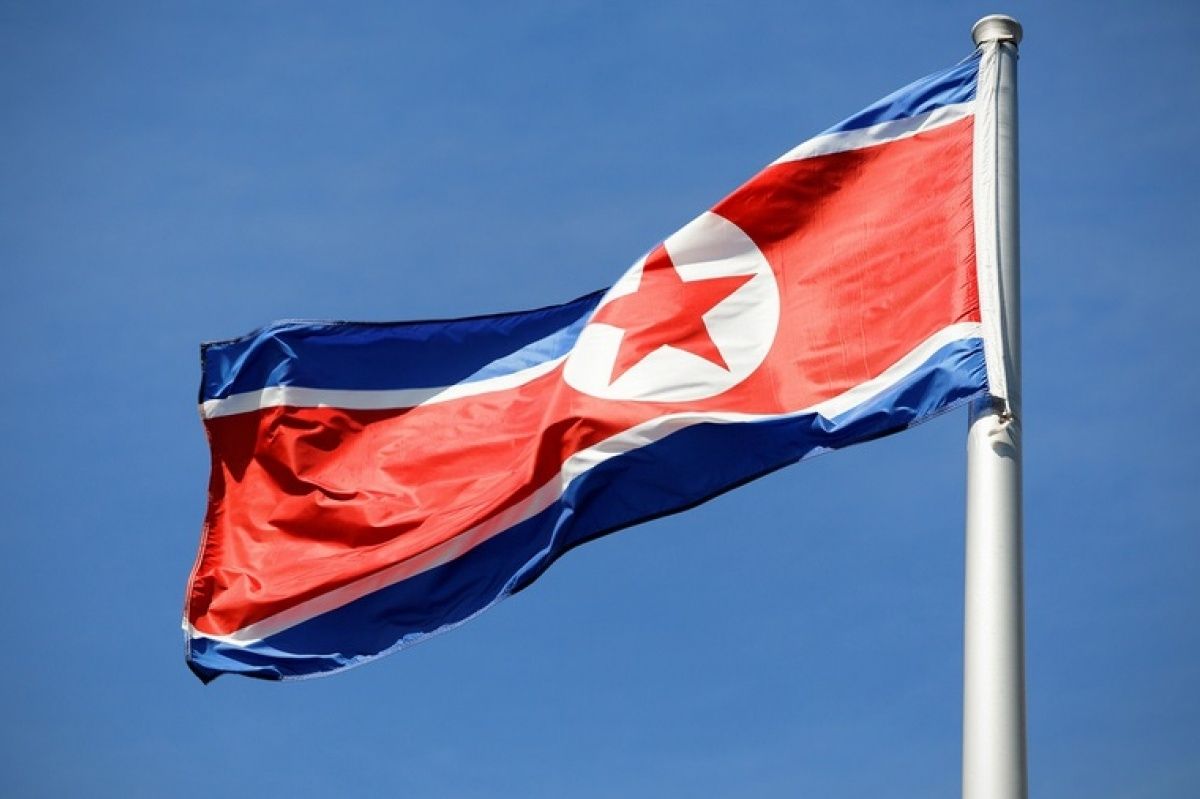
The FBI said it has disrupted a cryptocurrency theft scheme linked to a North Korean hacking group after the operation stole more than $400 million over 18 months. Federal authorities said Thursday that they seized cloud-based infrastructure used by the hackers, along with more than 900 webcam videos of victims worldwide, as the Los Angeles Times reported.
The FBI described the activity as a crypto theft scheme targeting people working in the cryptocurrency and Web3 industries, as well as workers who develop and maintain open-source software. According to the agency, the hackers used the stolen videos to impersonate victims and pursue additional targets.
How the FaceStealer Scheme Worked
The FBI said the group relied on a social engineering tactic it calls “FaceStealer.” The hackers took over LinkedIn, Telegram, Slack and Discord accounts belonging to people known by their targets, then posed as those contacts.
The impersonators invited victims to video calls on Zoom, Microsoft Teams and Google Meet. While victims waited for the calls to begin, the hackers secretly recorded them, the FBI said. The group later used those recordings to impersonate the victims.
Once a call began, the impersonator tried to persuade the victim to download malware, often presenting it as a fix for a technical problem. The FBI said the group sought access to trusted software developers and maintainers, potentially allowing malicious code to move through widely used software and affect downstream users.
The agency attributed the activity to a North Korean hacking group known in the private sector by several names: Sapphire Sleet, UNC1069, Stardust Chollima, APT38 and BlueNoroff. Those names refer to the same group identified by the FBI, rather than separate operations.
Officials Condemn the Scheme
Principal Deputy Assistant Attorney General for National Security M. Scott Proctor said North Korea’s government funds its regime and weapons program through cryptocurrency theft. The FBI also said the stolen videos helped the hackers impersonate and target more victims.
Bill Essayli, the top federal prosecutor for Los Angeles, called cryptocurrency “fertile ground” for North Korea to defraud victims and fund what he described as malign activities. He said the seizure demonstrated that the United States would continue fighting cybercrime by rogue states.
The FBI said it had disrupted infrastructure used in the operation, while its public alert warned the public about the FaceStealer campaign.
Separate Theft Attributed to “TraderTraitor”
Federal authorities separately described a cryptocurrency theft attributed to members of the North Korean military, a group the FBI calls “TraderTraitor.” Authorities said that group stole more than $6 billion from Binance on Oct. 29. That incident is distinct from the FaceStealer scheme. Binance said it replaced the stolen assets for customers but had not recovered the stolen funds.
Federal authorities said they had worked with private companies to recover stolen funds. The FBI said efforts to trace, freeze, seize and forfeit the virtual assets were ongoing.
Related Crypto Theft Investigations
The case adds to ongoing coverage of crypto theft attributed to North Korean hackers. BlockTelegraph has also reported on allegations and denials tied to traced Binance hack funds and Binance outflows after a separate hack.
The FBI said investigators are continuing efforts to trace and seize stolen virtual assets. Its public alert on FaceStealer gives potential targets information about the campaign as authorities pursue those recovery efforts.
Source: BlockTelegraph

