Pulitzer-winning reporter says FBI election-probe chief's resignation 'raises a lot of red flags'
Key Takeaways
- •FBI co-deputy director Andrew Bailey, who oversaw the bureau's 2020 election integrity probe, resigned on Monday, 35 days before the Nov. 3 election.
- •His departure came days after a report that hackers stole the personal records of tens of thousands of FBI agents and officials, and it remains unclear whether the hackers can be tracked down prosecuted.
- •Sources told Carol Leonnig that Bailey grew frustrated after a late-2025 idea that he would eventually replace Director Kash Patel never came to pass, though he publicly said he was leaving to spend more time with his family.
- •The FBI currently has two deputy directors, an unusual arrangement Leonnig said was created because of White House concerns about Kash Patel's lack of FBI experience and to support Dan Bongino, who also lacked experience and has since left the bureau.
- •Leonnig said officials with election-related authority are departing across the Justice Department amid White House pressure to prosecute 2020 election fraud, and some former officials could be questioned by the Oversight Committee about directives they received.
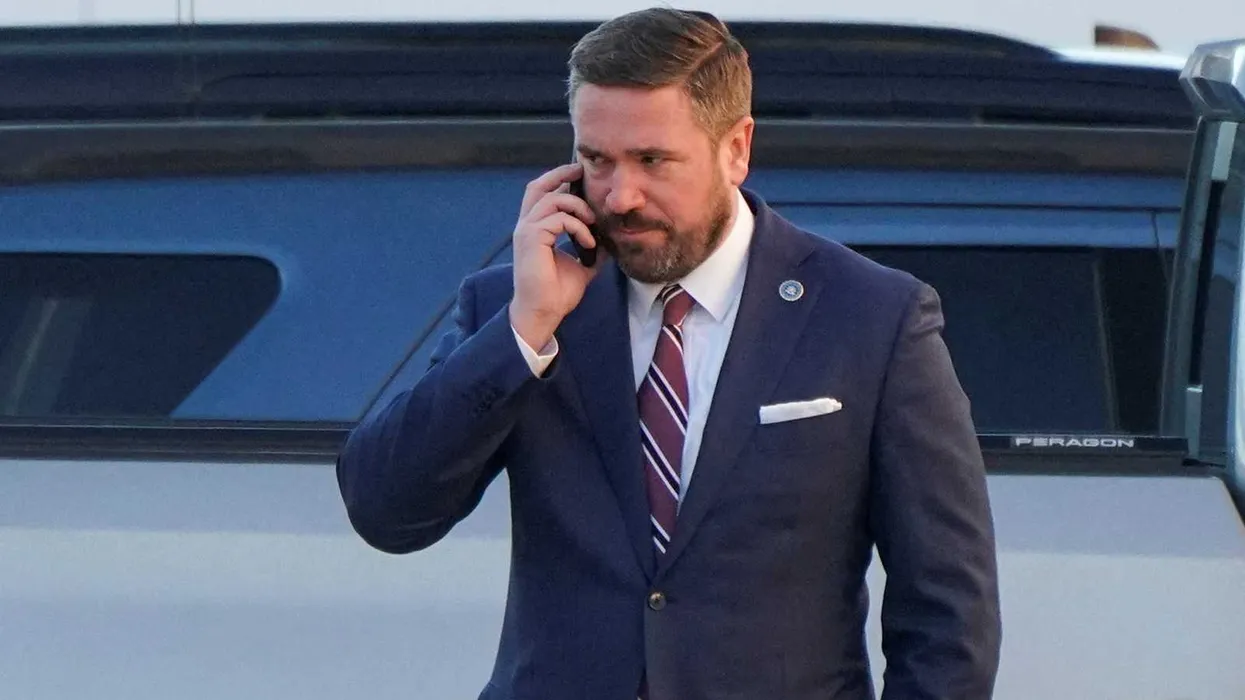
Andrew Bailey, the FBI co-deputy director overseeing the bureau's 2020 election integrity probe, resigned on Monday — with just 35 days to go until the Nov. 3 election. His departure came only days after a report that hackers had stolen the personal records of tens of thousands of FBI agents and officials. The timing means the bureau moves into the election's final stretch with its election-integrity probe suddenly without the official who had been running it.
Carol Leonnig, the Pulitzer Prize-winning journalist, said the resignation "raises a lot of red flags." Speaking with MS NOW's Stephanie Ruhle, Leonnig noted that while President Donald Trump's administration claims it is taking the FBI hack "seriously," it remains unclear whether it will ever actually be capable of tracking down and prosecuting the hackers.
"There's nothing they can do to kind of close the barn door, right? There's nothing that can be done," Leonnig said. "You can't hide that information after it's leaked out. It's kind of like your credit card or your Social Security number. Once it's out there, you're in trouble."
Bailey's resignation was yet another piece of bad news for the administration, and Leonnig wondered whether the steady stream of damaging revelations is part of the reason Trump keeps banning MS NOW.
She described the FBI as "the premier law enforcement agency in the world, full stop," even as it faces considerable challenges under Director Kash Patel. The bureau, she noted, currently has two deputy directors — an arrangement she said is anything but normal.
"These two people were installed because the White House was concerned that Kash Patel, as a director, had no experience in the FBI, which the president knew when he appointed him and nominated him and when the Senate confirmed him," Leonnig said. "But here he is in that job."
According to Leonnig, the co-deputy structure was created to support Dan Bongino — "the famous conservative podcaster" — who also lacked the experience the post demanded and has since left the bureau.
Sources told Leonnig that Bailey had grown frustrated after an idea was floated to him months ago, actually at the end of 2025, that he would eventually replace Patel as director.
"That wish never came true," she said. "And he was like, okay, you don't want me as a director. I'm out."
In public, Bailey has offered a different explanation, saying he was leaving to "spend more time with his family."
Leonnig argued that the stated reason is an important thread to pull on, given Bailey's deep involvement in "overseeing election-related crimes and misconduct." The White House has applied heavy pressure to prosecute 2020 election fraud, alleging that there was a widespread problem.
Ruhle asked whether that struck her as a red flag, and Leonnig agreed it did.
"It raises a lot of red flags. I'm not saying that I know with," she said. "But I agree. It raises red flags. And as I say, it's a thread we should pull on about all of these people who are leaving, who had election-related sort of authority or portfolios, because it's happening across the Justice Department where people are saying, wait a minute, I don't want to do what the White House is directing the Department of Justice to do, when it might involve my professional reputation for life, my license."
There is also concern about future congressional investigations. Leonnig said some of the officials who have resigned could ultimately appear before the Oversight Committee, which is expected to question those "who were ordered to do things by the White House that made them uncomfortable for lack of facts." Whether any of them actually testify — and what they say about the directives they received — is the most concrete thread to follow as the story develops.
This article is based on reporting published by Alternet.

