Crypto Super PAC Fairshake Targets Sherrod Brown With $30 Million After Clarity Act Fails in Senate
Key Takeaways
- •Fairshake plans to spend $30 million opposing Sherrod Brown's Ohio Senate campaign against Republican Sen. Jon Husted, a contest that could determine which party controls the Senate.
- •The commitment marks the super PAC's second effort against Brown, following roughly $40 million in 2024 spending that helped Republican Bernie Moreno defeat him.
- •The Senate rejected a motion to proceed to the Digital Asset Market Clarity Act by a 49-50 vote, falling 11 votes short of the 60 needed to advance the bill, which would divide crypto oversight between the SEC and CFTC.
- •Fairshake, primarily funded by Coinbase, Ripple, and Andreessen Horowitz, reported $108 million remaining at the end of August, meaning the planned Ohio campaign would commit more than a quarter of that balance to a single race.
- •Coinbase-backed advocacy group Stand With Crypto warned of electoral consequences after the failed vote and said it would add senators' positions to its lawmaker scorecards as it mobilizes supporters ahead of the November 3 midterms.
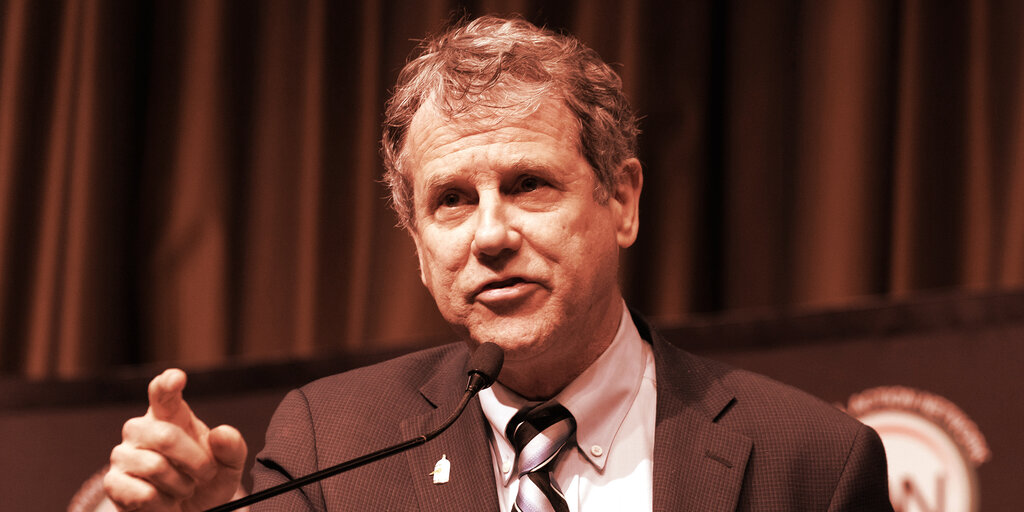
Crypto super PAC Fairshake plans to spend $30 million to oppose former Democratic Sen. Sherrod Brown’s bid to return to Congress, days after the Senate failed to advance the Digital Asset Market Clarity Act.
Fairshake confirmed the plan to target Brown, who is challenging Republican Sen. Jon Husted in an Ohio race that could help determine which party controls the Senate, according to Politico.
“Of course the special interests are panicking, they know Sherrod will fight the rigged system they’re feasting on to stand up for working Ohioans,” Brown’s campaign manager, Patrick Eisenhauer, said in a statement.
Husted, a former Ohio lieutenant governor, was appointed to the Senate in January 2025 to fill the seat vacated by JD Vance after Vance became vice president.
The new campaign would be Fairshake’s second against Brown. In 2024, the group spent roughly $40 million to help Republican Bernie Moreno unseat Brown, whose skepticism toward the crypto industry and leadership of the Senate Banking Committee made him one of the sector’s most prominent targets in Washington.
The spending announcement came on the heels of the Senate’s rejection of the Clarity Act, which would establish federal rules for crypto markets and divide oversight between the Securities and Exchange Commission and the Commodity Futures Trading Commission.
The Senate voted 49-50 against cloture on a motion to proceed to the bill — the procedural step needed to bring it to the floor — leaving it 11 votes short of the 60 required to advance. All Democrats present voted against advancing the legislation, along with Republican Sens. Susan Collins, Josh Hawley, and Jerry Moran. Republican Sen. Thom Tillis changed his vote to “no” for procedural reasons, allowing the bill to be reintroduced at a later date.
The failed vote left little time to revive the legislation before the November 3 midterm elections.
Coinbase-backed advocacy group Stand With Crypto also warned of electoral consequences after the vote. The group said it would add senators’ votes to its lawmaker scorecards as it mobilizes supporters ahead of the election.
Fairshake, which is primarily funded by Coinbase, Ripple, and venture capital firm Andreessen Horowitz, had raised $116 million for the 2026 elections as of January 2025 and reported $108 million remaining at the end of August. The planned $30 million Ohio campaign would commit more than a quarter of that remaining balance to a single race.
The super PAC says it supports candidates from both parties who favor crypto-friendly policies. Its advertising, however, often avoids discussing crypto directly, focusing instead on issues more likely to sway voters. Fairshake that strategy during the 2024 election and again in this year’s congressional primaries.
With the bill eligible for reintroduction at a later date and the midterms set for November 3, the Clarity Act’s fate and Fairshake’s $30 million Ohio campaign now share the same closing stretch of the election calendar.

