Former Fabric CFO Nevin Shetty Sentenced to Two Years in Prison for $35 Million Crypto Fraud
Key Takeaways
- •Nevin Shetty, Fabric's former chief financial officer, received a two-year prison sentence for four counts of wire fraud after a jury convicted him in November following a nine-day trial.
- •Shetty moved $35 million of Fabric funds without authorization to HighTower Treasury, his own cryptocurrency business, placing the money in decentralized finance platforms that promised 20% returns.
- •The crypto investments collapsed by May 2022, wiping out nearly all of the diverted $35 million, after which Shetty confessed, was fired, and Fabric reported the theft to the FBI.
- •Judge Tana Lin ordered Shetty to pay $35,000,100 in restitution and serve three years of supervised release, with a condition barring him from corporate officer or director roles without probation office approval.
- •Fabric, which raised a $140 million Series C at a $1.5 billion valuation in February 2022, lost 60 employees' jobs as a result of the scheme, according to Judge Lin.
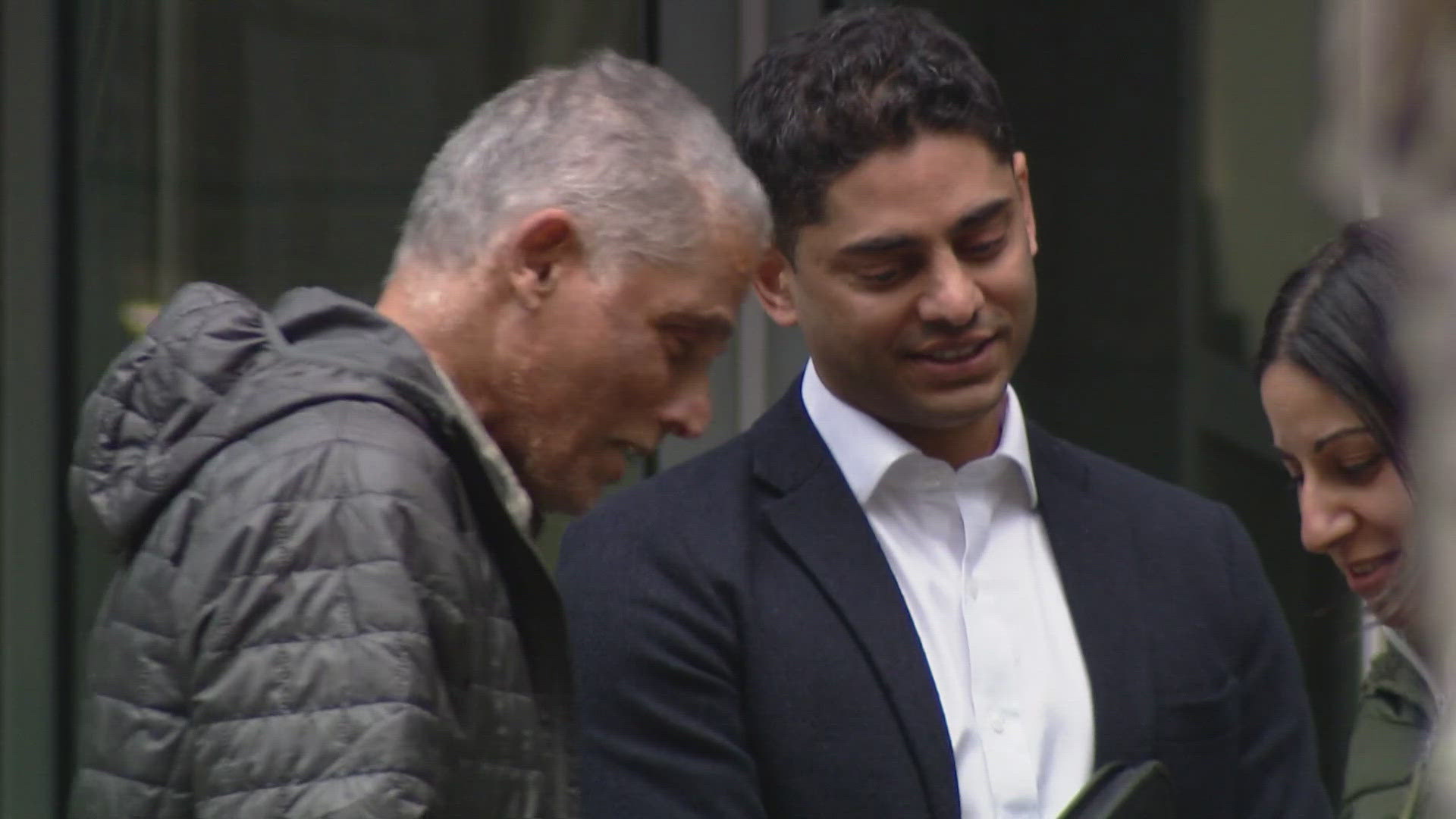
Nevin Shetty, the chief financial officer of Seattle-area retail software startup Fabric, was sentenced Thursday to two years in prison for wire fraud involving the diversion of $35 million in company funds into his own cryptocurrency business.
Shetty, 42, of Mercer Island, Washington, received the sentence in U.S. District Court in Seattle. GeekWire reported the sentencing on March 5, 2026, with an update on March 6, 2026.
Conviction and Sentence
A jury found Shetty guilty in November of four counts of wire fraud following a nine-day trial. Prosecutors had sought a nine-year prison term in a memorandum submitted ahead of Thursday's hearing. Each count of wire fraud carries a maximum of 20 years in federal prison, with actual sentences typically shaped by advisory guidelines that weigh factors such as the amount of loss.
Judge Tana Lin said the losses had significant and severe effects on Fabric. According to a news release from the United States Attorney's Office for the Western District of Washington, Lin said Shetty's actions cost 60 employees their jobs.
"You almost put the company out of business. … You were playing with money that wasn't yours," Lin said.
In addition to the prison term, Lin ordered Shetty to pay $35,000,100 in restitution and imposed three years of supervised release. A special condition of that release prohibits him from serving as a corporate officer or director without prior permission from the probation office.
Assistant U.S. Attorney Philip Kopczynski described the offense as a calculated scheme motivated by greed. In the sentencing memorandum, Kopczynski wrote that "Shetty's serious crime deserves stern punishment," calling the scheme "meticulously carried out over many months."
Fabric Funds Moved Into Cryptocurrency Investments
Shetty joined Fabric as CFO in March 2021. The company, then led by several former Amazon executives, had recently raised $43 million in funding, and Shetty helped draft a policy requiring the funds to be invested conservatively while the business grew. Four months later, Fabric raised another $100 million, and in February 2022 it closed a $140 million Series C round at a valuation of $1.5 billion.
Prosecutors said that in early 2022, Shetty diverted company funds without authorization to HighTower Treasury, his own cryptocurrency business. Despite having helped establish Fabric's low-risk investment policy, Shetty secretly moved the money into high-yield decentralized finance platforms that promised 20% returns, according to prosecutors. Double-digit yield offers were widespread across decentralized finance during that period, and several large lending platforms advertising similar returns failed in 2022 as the crypto market slumped, leaving many depositors with heavy losses. The case also illustrates a governance risk familiar to venture-backed startups, where a single finance executive can both write treasury policy and quietly route around it.
Investments Collapsed by May 2022
Records described a plan under which Fabric would be paid 6% interest while HighTower retained the remaining profits. Shetty and a partner made about $133,000 in the first month of the arrangement.
By May 2022, the cryptocurrency investments had collapsed, wiping out nearly all of the $35 million. Shetty confessed to colleagues, was fired, and Fabric reported the theft to the FBI. He was indicted in May 2023.
Shetty will serve three years of supervised release after his prison term with restrictions barring him from future company leadership roles without approval. How much of the diverted money Fabric ultimately recovers will depend on collection of the $35,000,100 restitution order in the years ahead.

