FAAN Suspends Bolt from All Federal Airport Operations Over Concession Agreement
Key Takeaways
- •FAAN ordered Bolt to stop all commercial operations at every airport it manages in Nigeria with immediate effect.
- •The suspension will remain in place until Bolt’s concession agreement with FAAN is finalized and signed.
- •FAAN said no operator may conduct commercial activities on its premises without a duly executed agreement.
- •Bolt had previously secured an airport concession in 2022 as the only e-hailing company to meet FAAN’s requirements.
- •The decision reflects wider tension between ride-hailing platforms and legacy airport taxi operators in Nigeria.
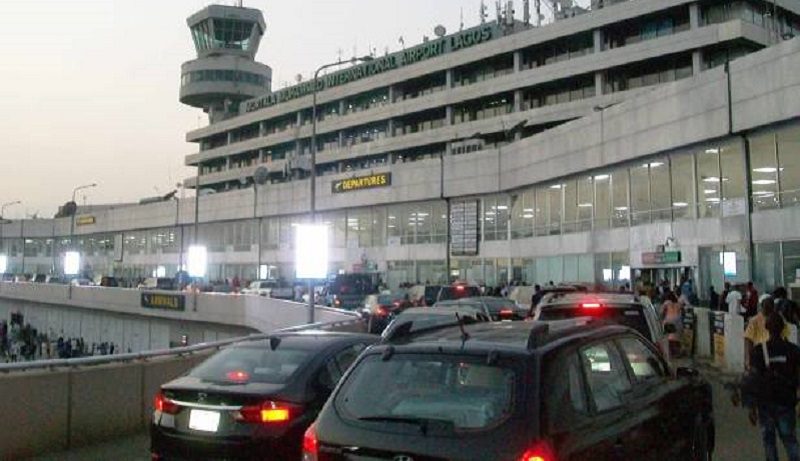
The Federal Airports Authority of Nigeria (FAAN) has suspended e-hailing company Bolt from operating at all federal airports across the country, effective immediately.
FAAN manages Nigeria's major aviation hubs, including Murtala Muhammed International Airport in Lagos and Nnamdi Azikiwe International Airport in Abuja, which together handle the bulk of the country's domestic and international passenger traffic.
The suspension was formalized in a letter signed by FAAN's Director of Commercial and Business Development, Adebola Joy Agunbiade.
"You are hereby directed to cease all commercial operations at all FAAN-managed airports in the country with immediate effect," the letter stated.
FAAN explained that the suspension was issued to enforce Bolt's compliance with its regulatory and operational requirements, emphasizing that no operator is permitted to conduct commercial activities within FAAN premises without a duly executed agreement.
"You are therefore requested to suspend all operations at all FAAN-managed airports until the concession agreement has been duly finalised and executed. The Authority will notify you accordingly once the process has been concluded," the letter continued.
The suspension will remain in place pending the finalization and execution of Bolt's Concession Agreement with the Authority.
Bolt's Airport Concession History
Picking up passengers from airports has long been a significant revenue stream for taxi drivers, including those operating through e-hailing platforms. Airport trips typically command higher fares due to longer distances and premium pricing, making airport access commercially significant for ride-hailing companies operating in Nigeria's competitive mobility market, where Bolt competes with Uber and other platforms.
However, the airport authority had an established system of approved taxi operators granted exclusive rights to pick up passengers in the airport vicinity.
These exclusive airport taxi operators have been known to charge premium fares, prompting calls from travelers for alternatives. In 2022, FAAN allocated a designated parking space to e-hailing operators. Bolt was the only e-hailing company to meet all regulatory requirements and secure the concession, which granted both a parking space and the right for its drivers to operate around the airports.
Controversy followed shortly after. Drivers alleged they were required to pay ₦45,000 to access the parking facility. Additional requirements included wearing Bolt-branded uniforms and undergoing biometric checks, after which they would receive a police character certificate. That certificate would then be presented to the Directorate of Aviation Security (AVSEC), which would issue an identity card and grant final approval to pick up riders from the airport.
Limited Adoption and Operational Challenges
The designated parking facility saw limited use for several reasons. Traditional airport taxi operators posed stiff competition and had reportedly attacked e-hailing drivers for operating on what they considered their territory. Drivers also concluded that remaining at the airport to compete with entrenched airport taxi operators was not economically viable given the parking fees they had paid.
A segment of e-hailing drivers argued the parking facility was unnecessary altogether. Unlike conventional taxi drivers who wait at designated parks for passengers, e-hailing drivers rely on their apps as a virtual dispatch system, giving them the flexibility to operate from any location.
Bolt itself eventually recognized that there was limited economic value in maintaining a parking facility at the airport, as drivers were picking up passengers regardless of whether a dedicated park existed. The app effectively functioned as the park, rendering a physical location redundant. A company insider told Technext that it is doubtful Bolt would renew the concession agreement.
The suspension underscores the broader tension between Nigeria's rapidly growing e-hailing sector and legacy transport operators who have historically controlled access to high-traffic locations such as airports. Similar disputes have played out in other Nigerian cities, where traditional taxi unions have pushed back against app-based platforms, at times lobbying local authorities to restrict their operations.

