Ex-FBI Agents Charged in Hunter Biden Laptop Case as Lawyers Warn Overnight DOJ Filing Subverts Courts
Key Takeaways
- •Former FBI agents Nikki Floris and Bradley Benavides face federal charges accusing them of lying to Congress about their involvement in the Hunter Biden laptop investigation.
- •The Justice Department filed a superseding complaint one day after the initial charges, adding obstruction of justice counts and amending the original allegations.
- •Defense attorneys say the overnight filing of an unsigned and unsworn criminal complaint circumvented standard requirements that charges be authorized by a grand jury, a judge, or the defendant herself.
- •The defendants were charged through a criminal complaint signed by a magistrate judge rather than a grand jury indictment, a method relevant because the Justice Department has reportedly struggled to win indictments from grand juries in high-profile Washington cases.
- •The charges arrive shortly before the midterm elections and follow earlier failed DOJ efforts to prosecute political opponents such as James Comey and Letitia James.
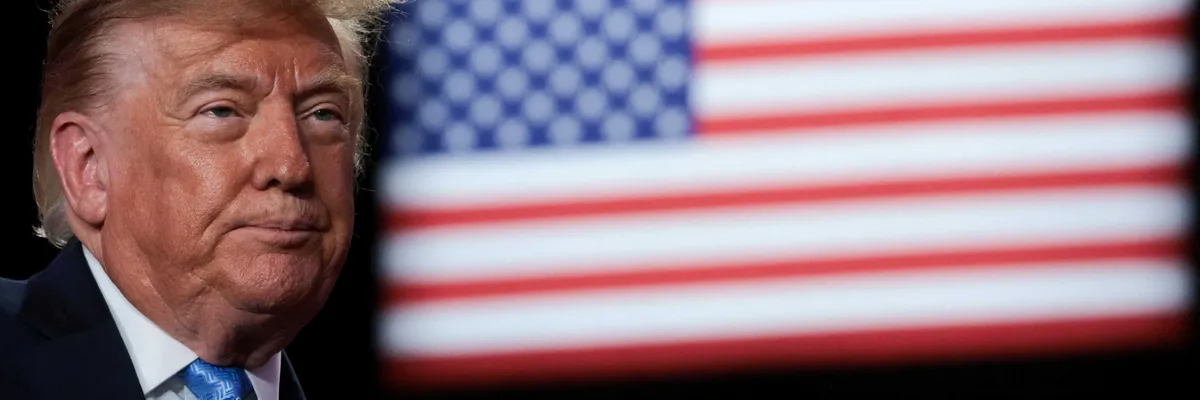
Two former FBI agents targeted by President Donald Trump and his allies were hit with federal charges in an overnight filing spree, and their attorneys warned on Tuesday that the Justice Department's handling of the case amounts to an effort to subvert the courts.
The defendants, Nikki Floris and Bradley Benavides, are charged with lying to Congress about their roles investigating Hunter Biden, the son of President Joe Biden. Prosecutors allege the pair downplayed their knowledge of the laptop case, which has been a fixation among Trump's supporters since the final days of the 2020 election, when it was alleged that the computer's hard drive contained evidence of foreign business entanglements.
The charges were filed Monday night. By Tuesday morning, it was reported that the DOJ had filed a superseding complaint, adding counts of obstruction of justice and amending the previous charges. Attorneys for Floris said the moves reflect a clear attempt to sidestep accepted legal procedures.
"What is going on at the DC US Attorney's Office?" the lawyers asked in a statement. "In the middle of the night, the government filed an unsigned and unsworn complaint attempting to fix the issues with their original charge against Ms. Floris and adding a new charge just as meritless as the first one. In our combined decades of DOJ service, we have never seen or even heard of something like this being filed."
"That's because the public lodging of criminal charges must be authorized by the grand jury, a judge, or the defendant herself," they continued. "Here, the government has taken that power for itself in a desperate attempt to delay our client's right to challenge the charges in court and litigate this case in the media, rather than the courtroom. We have asked to address this outrageous government conduct against a decorated public servant at today's court hearing."
According to ABC News, the allegations are "the latest in a series of splashy and politically charged investigative actions the Justice Department has undertaken in the run-up to next week's midterm elections." As the outlet reported, "Defense lawyers are expected to challenge the case at a preliminary hearing Tuesday in Washington's federal court, including by highlighting the unusual fact that the ex-FBI officials were charged via a criminal complaint signed by a magistrate judge rather than an indictment voted on by a grand jury. The Justice Department is thought to have repeatedly struggled in high-profile cases to persuade grand juries in the nation's capital to return indictments."
The distinction carries procedural weight: a criminal complaint allows prosecutors to bring charges without a grand jury vote, leaving the probable-cause question to a judge at a preliminary hearing rather than to a panel of ordinary citizens.
Since returning to office in 2025, Trump has suffered several high-profile legal setbacks in his quest to target political opponents through the DOJ, including failed attempts to prosecute former FBI Director James Comey and New York Attorney General Letitia James, whose cases were either dismissed by judges or rejected by grand juries. The department has also seen unusually high rates of dropped criminal cases, particularly against protesters and those accused of vandalizing the Lincoln Memorial Reflecting Pool. In addition, federal courts have repeatedly rejected DOJ lawsuits seeking access to state voter rolls, finding little legal basis for the administration's claims.
Primary source post on X: post
Source: Alternet

