FBI Agent Charged After Alleged $1 Million Crypto Theft
Key Takeaways
- •Former FBI supervisory agent Patrick Yaroch has been charged with interstate transportation and receipt of stolen goods after allegedly stealing approximately $1 million in cryptocurrency from an overseas suspect.
- •Yaroch accessed the suspect's wallet using a passphrase the FBI had obtained during a prior investigation, executing approximately 12 transfers over a period exceeding one year.
- •Court records indicate Yaroch used ChatGPT to seek advice on laundering the stolen cryptocurrency and had purchased a round-trip ticket to Portugal departing September 3.
- •The FBI dismissed Yaroch upon learning of the allegations, and authorities arrested him on July 31 after searching his residence.
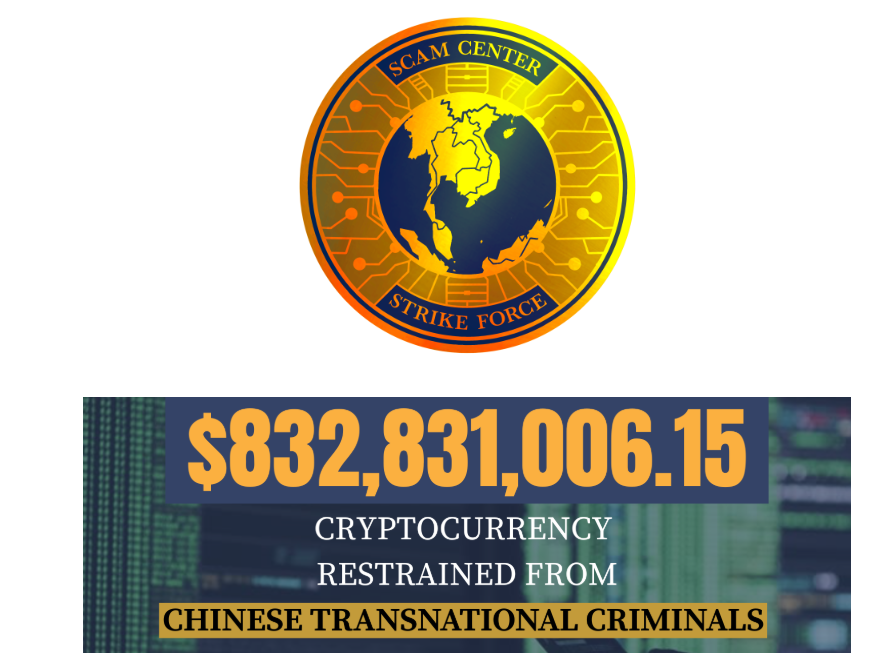
- •The case coincides with a broader U.S. crackdown on cryptocurrency fraud, during which a multi-agency task force has reportedly recovered over $800 million since its launch.
The U.S. Department of Justice (DOJ) has charged former FBI supervisory agent Patrick Yaroch following allegations that he stole approximately $1 million in cryptocurrency from an overseas suspect.
Court documents indicate that Yaroch voluntarily confessed to a Justice Department employee in late July, stating that the conduct was “eating him up inside.” The FBI dismissed Yaroch after learning of the allegations. Authorities subsequently arrested him on July 31 after conducting a search of his home, according to court records reviewed by The Wall Street Journal.
According to the confession, Yaroch began stealing funds from the suspect's wallet around late 2024 or early 2025. He reportedly gained access using a passphrase that the FBI had obtained during an investigation. The case underscores the access that federal agents handling digital asset investigations have to sensitive cryptographic materials, including passphrases and wallet credentials recovered during the course of their work. Over a period exceeding one year, he transferred approximately $1 million through about 12 transactions.
Yaroch informed investigators that he committed the thefts out of frustration regarding the FBI's inability to act against adversarial crypto accounts. He later confessed to colleagues and was reportedly cooperating with investigators prior to his arrest.
Court records also reveal that Yaroch utilized ChatGPT to seek advice on laundering the stolen cryptocurrency. His queries to the AI reportedly included questions about investing the funds and relocating to Europe. ChatGPT recommended Portugal as a primary destination. The disclosure adds to a growing body of cases in which individuals have turned to consumer AI chatbots for guidance on concealing financial activity, raising ongoing questions about how such tools fit into the broader landscape of financial crime. Although it remains unclear if he intended to relocate, a court affidavit noted that Yaroch had purchased a round-trip ticket to Portugal departing on September 3.
The DOJ has charged Yaroch with interstate transportation of stolen goods, as well as the receipt of stolen goods, money, and securities. No crypto-specific charges have been filed against him at this time.
This case emerges amid a broader crackdown on cryptocurrency fraud by U.S. authorities. Regulatory bodies, including the DOJ and the Securities and Exchange Commission (SEC), have intensified their focus on crypto scams and international criminal networks.
These efforts have yielded significant results. The Scam Center Strike Force—a task force involving the DOJ, FBI, U.S. Secret Service, and the U.S. Attorney's Office targeting scams originating from Southeast Asia—reported recovering over $800 million since its launch last year. In a recent report, the DOJ announced the seizure of more than $25 million following investigations into international crypto scams that targeted residents of the United States and Canada.
The arrest also highlights a growing trend of federal employees facing allegations related to crypto and prediction-market misconduct. While Yaroch is the first FBI agent arrested for a crypto scam, other federal personnel have recently been implicated in similar activities.
Earlier this year, a member of the U.S. Armed Forces was arrested for insider trading after allegedly using confidential information to bet on Polymarket, yielding approximately $400,000 in profits related to U.S. operations in Venezuela. Separately, a longtime teleprompter operator for President Trump reportedly settled with the Commodity Futures Trading Commission (CFTC) after using privileged information to place bets on the Kalshi market, generating around $100,000 in profits.

