Beyond Solar: The European Playbook for Whole-Home Electrification
Key Takeaways
- •Electric vehicles have surpassed gasoline-powered car sales in Europe for the first time, bolstered by tightening emissions regulations and the EU's planned 2035 phase-out of new combustion-engine vehicles.
- •IKEA and Octopus Energy have entered the residential electrification market by offering bundled services that combine electricity supply with solar installations, heat pumps, and EV leasing.
- •Battery storage has become a near-universal addition to residential solar installations in Europe, reflecting growing consumer demand for energy resilience.
- •National and EU-level policies, including Germany's subsidy programs and the Ecodesign Directive's phase-out of standalone fossil fuel boilers, are accelerating adoption of heat pumps and integrated home energy systems.
- •The European market is treating electrification as a unified whole-home proposition, in contrast to the disconnected upgrade approach seen in some other regions.
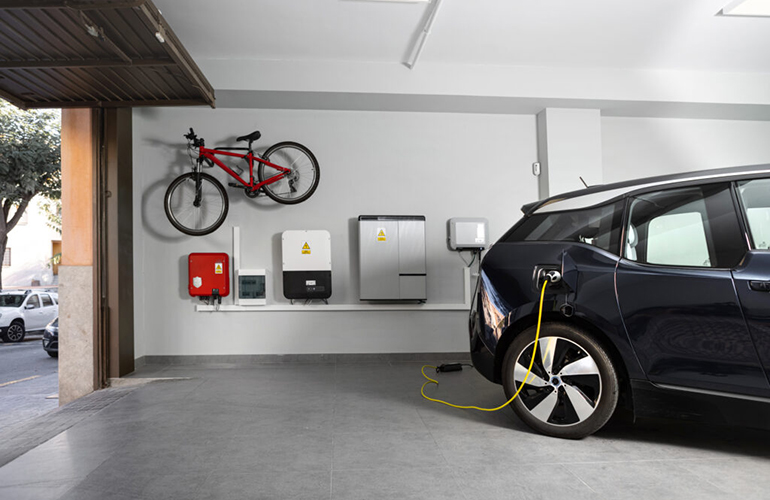
Europe is undergoing a significant shift toward whole-home electrification, with several notable developments signaling that the transition extends well beyond rooftop solar. The momentum comes as the EU pursues its REPowerEU plan to cut reliance on imported fossil fuels—a push accelerated by the energy security crisis following Russia's invasion of Ukraine—and as households face persistently elevated electricity costs that make self-generation and efficiency increasingly attractive.
For the first time, electric vehicles (EVs) are outselling gasoline-powered cars in the European market. This milestone reflects broader consumer adoption of electric mobility, supported by tightening emissions regulations—including the EU's planned 2035 phase-out of new combustion-engine vehicle sales—and an expanding charging infrastructure across the continent.
Major retailers and energy companies are also entering the electrification space. IKEA has begun offering customers dynamic electricity rates bundled with solar installations and heat pumps, positioning itself at the intersection of home goods and residential energy. Octopus Energy, a UK-based energy supplier known for its technology-driven approach, has expanded its offerings to include EV leasing alongside solar panel installation and electricity supply—creating a bundled, single-provider model for whole-home electrification. The entry of non-traditional players signals that electrification is moving beyond niche energy specialists into mainstream consumer markets, where brand trust and existing customer relationships can drive adoption at scale.
Meanwhile, a new generation of solar installers across Europe has evolved beyond offering solar panels alone. Battery storage has become nearly a universal attachment to solar installations rather than a premium add-on, reflecting changing consumer expectations and the growing importance of energy resilience. Heat pumps are increasingly part of the package as well, as European households seek to decarbonize heating alongside transportation and electricity—a shift further reinforced by national incentives like Germany's subsidy programs and EU-level measures under the Ecodesign Directive to phase out standalone fossil fuel boilers.
These trends collectively point to a European market where electrification is treated as an integrated, whole-home proposition rather than a series of disconnected upgrades. Whether US, Australian, and other global markets follow the same bundling playbook remains an open question for the industry.
Read the full story on Aurora Solar's website.

