Europe’s Low Gas Stocks Set Stage for Winter LNG Battle
Key Takeaways
- •EU gas storage is currently about 66% full, the lowest level for this time of year in nearly two decades and far below the five-year average of over 80%.
- •The Middle East war has trapped Qatari LNG cargoes behind the Strait of Hormuz, cutting global supply and driving European benchmark prices to three-and-a-half-year highs.
- •EU rules adopted in 2022 require member states to keep gas storage at least 90% full by November 1, making the current shortfall a compliance and energy-security issue.
- •Bloomberg calculations indicate Europe needs to purchase more than $8.1 billion of gas at current prices to reach even a 75% storage target.
- •ING analysts say LNG netbacks currently favor Europe over Asia, but inter-regional competition is expected to intensify closer to winter if Qatari supply stays offline.
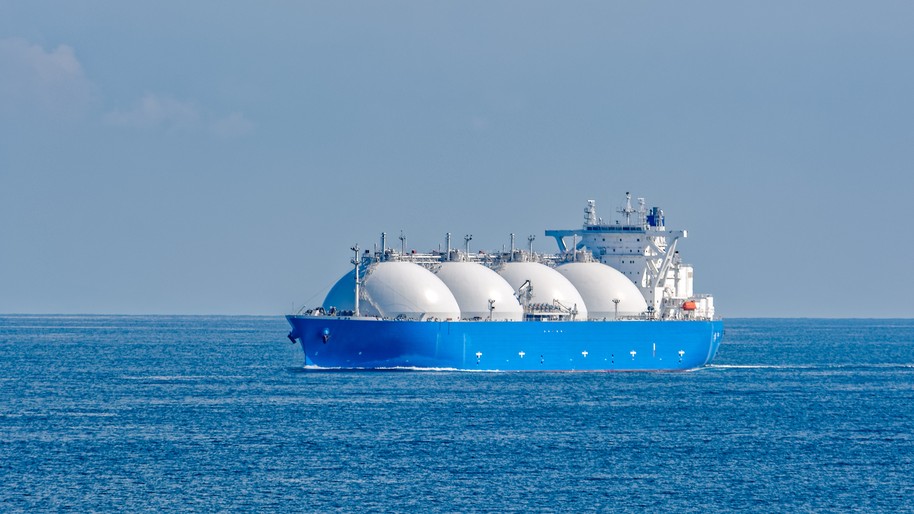
Europe’s lowest natural gas storage levels in nearly two decades risk intensifying the race for LNG supply in the coming months, as both Europe and Asia compete for a shrinking pool of cargoes while Middle East LNG remains blocked at the Strait of Hormuz.
"The potential for a global 'fight for fuel' is there, particularly in a colder winter," Go Katayama, principal insight analyst for LNG at intelligence firm Kpler, told Bloomberg.
Europe is heading into winter with one of the lowest levels of gas in storage in the past two decades. The war in the Middle East has crippled LNG supply from Qatar, sent gas and LNG prices in Europe and Asia skyrocketing, and intensified competition for the shrunken pool of readily available global LNG cargoes. The stakes are especially high because Qatar has been one of the world’s largest LNG exporters, and Europe has relied heavily on LNG—including Qatari supply—to replace the pipeline gas it lost from Russia following the 2022 invasion of Ukraine.
A perfect storm has pushed European benchmark prices to three-and-a-half-year highs: elevated demand for refilling depleted storage and for electricity during summer heatwaves, combined with slashed global LNG supply as Qatar’s cargoes remain trapped behind the Strait of Hormuz.
The high prices—with front-month futures trading above contracts further out in time—have discouraged stockpiling for most of the summer. Yet Europe has little choice and must fight for gas to fill storage sites to reasonably adequate levels before December in order to avoid a winter supply crunch. Under EU rules adopted in 2022 after the Russian supply shock, member states are obliged to keep storage at least 90% full by November 1 each year, making the current shortfall not just a market imbalance but a compliance and energy-security concern for Brussels.
With gas in storage at such low levels ahead of winter, Europe still needs to buy gas worth over $8.1 billion at current prices to reach even its lowest storage target of 75%, according to Bloomberg calculations. EU storage sites are currently about 66% full—the lowest level for this time of year in nearly two decades and well below the five-year average of over 80%.
At present, LNG netbacks favor sending spot LNG to Europe over Asia, according to ING’s analysts, after months of Asia outbidding Europe for spot supply.
"But as we move closer to the Northern Hemisphere winter, competition between the two regions is likely to pick up, particularly if Qatari LNG remains largely absent from the market through year-end," ING commodities strategists Warren Patterson and Ewa Manthey wrote in a note earlier this week.
Source: OilPrice.com — By Tsvetana Paraskova
