EU Adds 41 Vessels to Russia Shadow Fleet Blacklist as Dynagas Secures LNG Reprieve
Key Takeaways
- •The EU has blacklisted 41 additional vessels connected to Russia's shadow fleet, bringing the total number of sanctioned ships to 673.
- •For the first time, the EU has sanctioned companies and individuals providing bunkering, crewing, and other support services that sustain the shadow fleet's operations.
- •Greek shipowner Dynagas received a renewable 12-month exemption to continue delivering Russian LNG to non-EU customers, provided annual volumes do not exceed 2025 levels.
- •The sanctions package designates Indian national Suniel Kumar Sharma as a key figure behind suspect ship registries that supplied documentation to ageing tankers involved in Russian trade.
- •The EU paused the automatic adjustment of the $60-per-barrel Russian oil price cap until July 2027 following crude price volatility linked to the Strait of Hormuz closure.
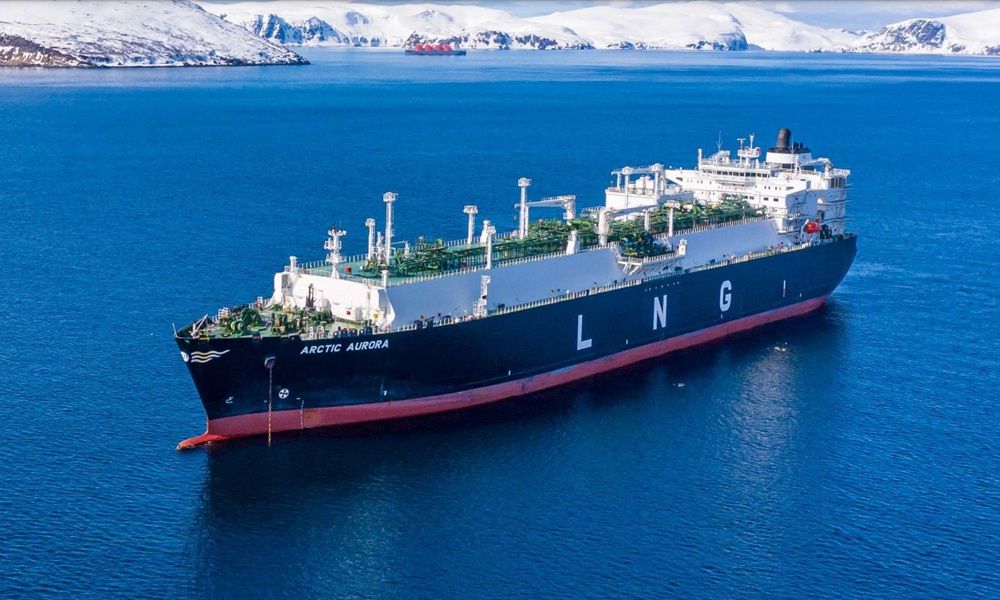
The European Union has added 41 more vessels to its blacklist targeting Russia's shadow fleet, a loose network of ageing tankers that operate outside Western insurance and maritime oversight to move Russian oil exports. At the same time, the bloc has granted Greek shipowner Dynagas a temporary exemption from restrictions on transporting Russian LNG to buyers outside the EU.
The latest listings raise the total number of sanctioned ships to 673. The vessels include non-EU tankers accused of evading the G7 oil price cap — fixed at $60 per barrel since December 2022 — supporting Russia's energy sector, moving military equipment, or carrying grain taken from occupied Ukrainian territory. The shadow fleet has grown substantially since Western sanctions on Russian crude took effect in early 2023, with analysts tracking hundreds of vessels that have switched to non-Western flags, opaque ownership structures, and ship-to-ship transfers to keep Russian oil flowing to buyers in China, India, and Turkey.
A prominent element of the package is the EU's designation of Indian national Suniel Kumar Sharma, 46, whom Brussels identified as a central figure in a network of suspect ship registries that provided documentation to ageing tankers engaged in Russian trades. Sharma has been linked to registry projects involving Dominica, Guyana, Samoa, Micronesia and Eswatini, and also pursued a registry scheme in landlocked Laos. Several governments subsequently withdrew approvals or disavowed the operations, while the IMO declared a number of associated flags fraudulent or invalid.
For the first time, Brussels has also moved against ships supplying bunkering and other services to the shadow fleet. Eight companies and one individual connected to the broader fleet ecosystem have been designated, including a crewing agency accused of supporting sanctioned shipping operations. The expansion signals that the EU is widening its focus beyond individual tankers to the logistics and service infrastructure that sustains the parallel trade.
The wider sanctions package introduces notification requirements for LNG carrier sales and gives the EU authority to impose additional restrictions on vessels sold to Russian companies or citizens. Sellers will also face contractual obligations designed to prevent ships from being resold to Russian interests or used in Russian projects.
The agreement, however, includes a significant concession for Greece. Athens secured a 12-month exemption allowing Dynagas to keep carrying Russian LNG to customers outside the EU, as long as annual volumes do not exceed 2025 levels. The exemption can be renewed and is not limited exclusively to the George Prokopiou-controlled owner, meaning it could also benefit other European companies with long-term exposure to Russian LNG. Russia ranks among the world's largest LNG exporters, and European companies including Dynagas have long-term offtake and charter arrangements tied to Arctic and Baltic liquefaction projects that are difficult to unwind without financial loss.
Greece had threatened to block the EU's 21st sanctions package because of the effect of earlier measures on Dynagas and its ice-class LNG carrier operations.
The dispute focused on restrictions scheduled to stop Russian LNG transhipment and trading by EU companies from 2027, including cargoes ultimately bound for markets outside Europe. The EU's 14th sanctions package, adopted in June 2024, was the first to directly target Russian LNG by prohibiting transhipment at EU ports, and subsequent rounds have steadily tightened those measures. Dynagas argued that the measures put long-term contracts and financed ice-class tonnage at risk.
The compromise permits the trade to continue temporarily while capping volumes, underscoring the challenge Brussels faces as it seeks to tighten energy sanctions without harming European shipping and energy companies. The carve-out also highlights a persistent tension in EU sanctions policy: while the bloc has eliminated most pipeline gas imports from Russia, Russian LNG continues to flow into European terminals, particularly in Spain, France, and Belgium.
In other measures, the package pauses the automatic adjustment of the Russian oil price cap until July 15, 2027, after a surge in crude prices caused by the closure of the Strait of Hormuz. It also extends transaction bans to 33 additional Russian financial institutions, 14 crypto platforms, two ports and four airports.
EU foreign policy chief Kaja Kallas said the latest measures were intended to squeeze Russia's economy and its ability to finance the war in Ukraine.

