EU MiCA Transition Creates Opening for Crypto Scammers, Regulators Warn
Key Takeaways
- •Fraud attempts have increased since the July 1 MiCA licensing deadline, according to regulators in several EU member states.
- •Criminals have posed as AMF staff, licensed exchanges and ESMA by using fake documents and identities to lure customers.
- •ESMA lists 323 firms with MiCA licences, while VASPnet estimates more than 1,700 unlicensed firms must wind down or leave the EU.
- •Major exchanges including Coinbase, Kraken and OKX have obtained MiCA approval, while Binance has not.
- •Regulators are urging customers to confirm information through official channels and avoid transferring funds to unknown third parties.
EU MiCA Transition Creates Opening for Crypto Scammers, Regulators Warn
Hundreds of Unlicensed Firms Forced to Wind Down
European regulators are warning that criminals are exploiting the disruption caused by the EU's new crypto regulatory framework, impersonating exchanges and watchdogs to steal customer funds.
Officials across several member states report a rise in fraud attempts since July 1, the deadline for crypto companies to obtain licences under the bloc's Markets in Crypto-Assets Regulation (MiCA). MiCA, which formally took effect for crypto-asset service providers at the end of 2024, is the EU's landmark attempt to create a harmonized rulebook for digital assets across all 27 member states — replacing a patchwork of national regimes that previously allowed firms to operate under varying standards. A transitional period gave companies already registered under national law time to apply for MiCA authorisation, but that window has now closed for firms that failed to secure approval. According to the Financial Times, those firms must now halt operations and instruct customers to move their assets — creating an opening for scammers posing as legitimate authorities.
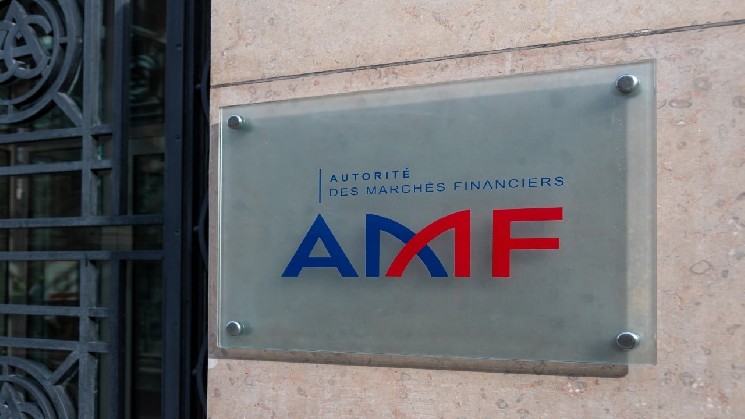
"This moment is an opportunity for scammers more than usual," said Stéphane Pontoizeau, an executive director at France's Autorité des Marchés Financiers (AMF). He said the regulator has already seen cases where criminals pretend to be AMF staff or licensed exchanges and direct customers to transfer assets to fraudulent websites.
Hundreds of companies previously operating under national rules have been forced to wind down or exit the EU entirely. The European Securities and Markets Authority (ESMA) lists 323 firms that have obtained MiCA licences, while data provider VASPnet estimates more than 1,700 unlicensed companies must shut down. The scale of the consolidation underscores the cost of compliance under MiCA, which imposes requirements around capital reserves, custody safeguards, governance, and anti-money-laundering controls that many smaller firms have struggled to meet.
Major exchanges including Coinbase, Kraken, and OKX have secured approval. Binance, the world's largest crypto trading platform, has not.
Regulators Respond to Impersonation Threats
ESMA said it is aware of attempts to misuse its logo and identity, including falsified documents, to promote scams. The Netherlands' Autoriteit Financiële Markten said scammers may target customers who are searching for new licensed providers. The regulator urged traders to verify information through official channels and avoid transferring funds when contacted by unknown third parties.
Tom Keatinge, founding director of the Centre for Finance and Security at the Royal United Services Institute, said regulatory uncertainty often creates "a prime opportunity for fraudsters," especially as customers face the disruption of wallet providers shutting down.
Some EU countries have reportedly received a wave of last-minute licence applications, raising questions about how aggressively national regulators can pursue scams and unlicensed operators. The challenge is compounded by the fact that, under MiCA, a firm licensed in one EU member state can passport its services across the entire bloc — meaning oversight responsibilities are distributed among national authorities that may have different enforcement capacities.
To reduce panic, the AMF has avoided imposing a strict wind-down deadline on unlicensed firms. Pontoizeau said the regulator wants customers to take time to choose a new provider carefully, rather than rushing into decisions that could expose them to fraud.
The AMF said it will alert law enforcement when it identifies criminals impersonating regulators or licensed companies. Dutch authorities similarly warned traders to be cautious and rely on publicly available information when in doubt. The episode highlights a broader tension as the EU positions itself as a global standard-setter for crypto regulation: that the very act of tightening oversight can generate transitional risks for the consumers the rules are designed to protect.

