EU Formally Invites Canada to Become the Bloc's First 'Associate Member'
Key Takeaways
- •The EU formally invited Canada to become its first associate member during Ursula von der Leyen's State of the European Union address in Strasbourg.
- •The proposed partnership covers four areas: advanced technology and AI, defense and security, energy and critical minerals, and Arctic cooperation.
- •Canadian officials confirmed Canada is pursuing associate status rather than full EU membership and will not cede regulatory rights to Brussels.
- •An associate model would bypass EU treaty restrictions limiting full membership to European territories while creating a new partnership category for countries outside Europe's geography.
- •The scope of the arrangement will be negotiated at an EU-Canada summit at the end of October, focusing on investment, worker mobility, and supply chains.
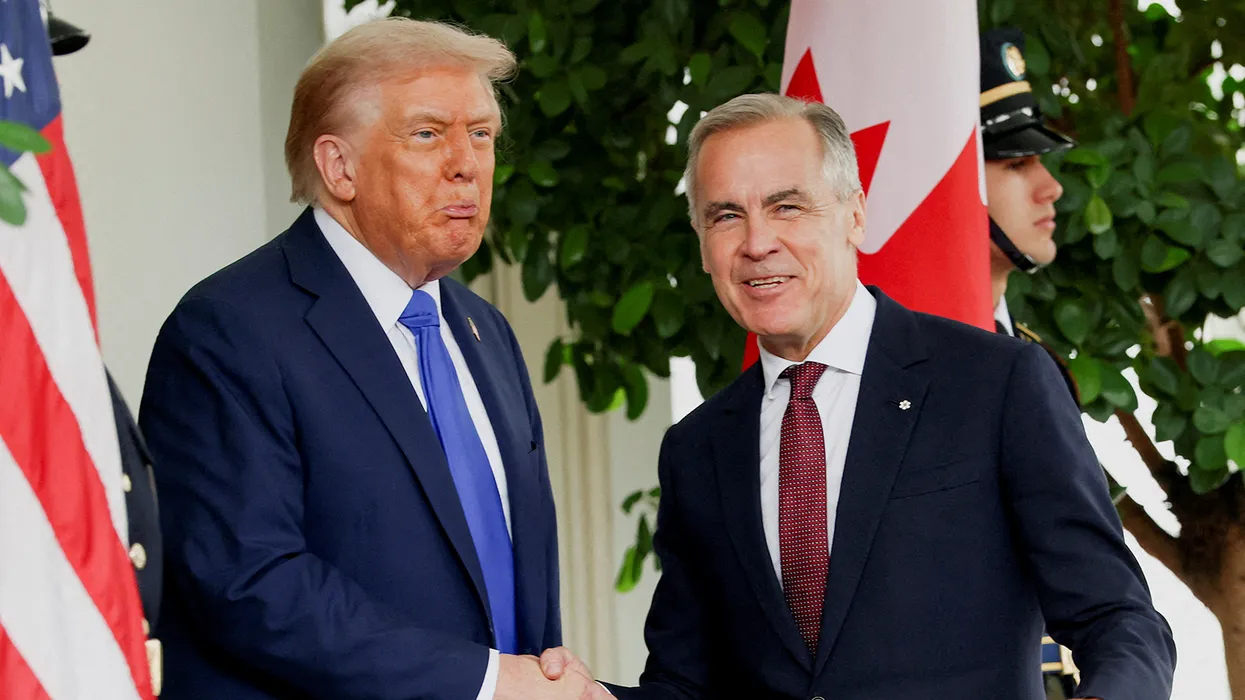
The European Union has formally invited Canada to begin work toward becoming the 27-nation bloc's first “associate member,” in what officials framed as a major geopolitical shift designed to deepen economic and security alliances.
European Commission President Ursula von der Leyen extended the historic invitation to Canadian Prime Minister Mark Carney during her annual State of the European Union address in Strasbourg, France — the Commission president's yearly set-piece speech laying out the bloc's political agenda. Describing the proposal as a partnership built on “common strength” rather than an alliance directed against any single nation, von der Leyen received a standing ovation from European lawmakers.
The proposal outlines cooperation across four core areas:
- Advanced technology and AI: establishing a collaborative technology alliance to intertwine research institutions and rival the dominant American tech ecosystem.
- Defense and security: integrating defense industrial bases and aligning security strategies in response to shifting global threats.
- Energy and critical minerals: securing vital supply chains, including Canadian exports of raw materials, while exploring natural gas infrastructure to support European energy independence.
- The Arctic region: launching a flagship joint project focused specifically on the strategic and environmental management of the Arctic.
Taken together, the four pillars tie Canadian research capacity, defense industry, and resource exports directly to the EU's stated goals of technological competitiveness, security alignment, and energy independence.
Despite the enthusiasm in Strasbourg, Canadian officials have clarified that Canada is pursuing a unique form of partnership rather than full EU membership. Because EU treaties have historically restricted full membership to European geographic territories, an associate model would allow Canada to bypass those territorial constraints while avoiding any loss of domestic sovereignty — effectively creating a new category of partnership for countries outside Europe's geography that align closely with the bloc.
As analyzed in CBC News' political analysis, senior Canadian officials have emphasized that Ottawa will not cede regulatory rights to Brussels. Instead, Canada hopes to negotiate practical benefits—such as investment frameworks and easier transatlantic transit for workers—without compromising its independence.
Further details regarding the scope of the associate membership are scheduled to be thoroughly examined and negotiated at the upcoming EU-Canada summit at the end of October. Those talks are set to turn on a central question: how far practical cooperation can go — on investment, worker mobility, and supply chains — without altering EU treaty rules or Canada's domestic regulatory authority.
This report was originally published by Alternet.

