European Commission Proposes Adding First Indian Ship Recycling Yards to EU Approved List
Key Takeaways
- •The European Commission has proposed adding two Indian recycling facilities to its European List of Ship Recycling Facilities, which would be the first Indian yards admitted since their pursuit of inclusion began in 2016.
- •One of the proposed facilities is operated by Shree Ram Recycling at Alang, representing the world's largest concentration of shipbreaking capacity, where yards predominantly use the beaching method.
- •Despite 32 prior applications from Indian yards and repeated European inspections, none had been accepted before this proposal, even though more than 110 Indian yards currently hold Hong Kong Convention compliance statements.
- •European Shipowners welcomed the proposal and called for rapid adoption, citing insufficient capacity on the current list and the practice of owners re-flagging ships to non-EU registries to bypass recycling restrictions.
- •The EU Ship Recycling Regulation, in force since the end of 2018, requires EU-flagged vessels to use approved facilities and imposes stricter environmental and safety standards than the Hong Kong Convention, which entered into force in June 2023.
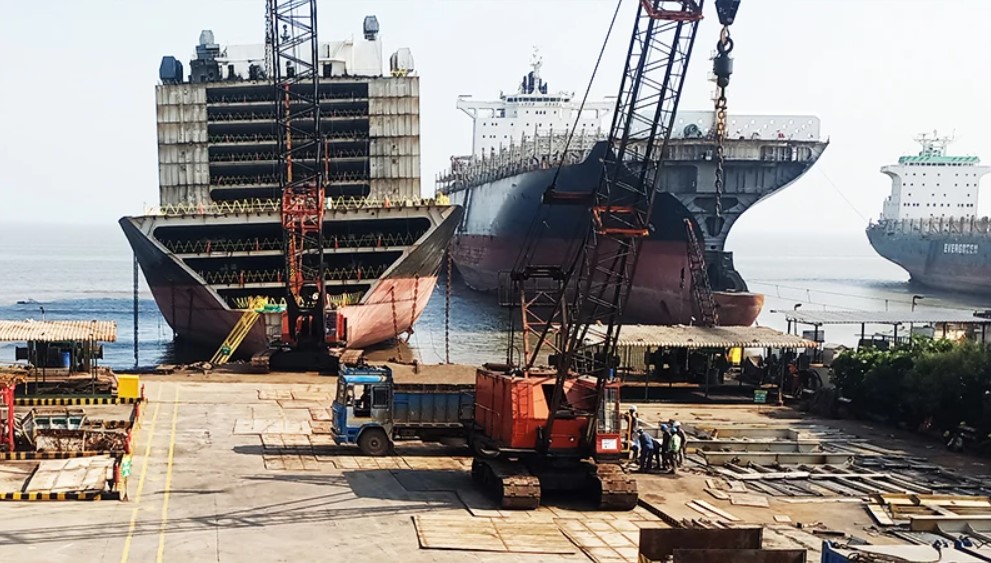
The European Commission has put forward a proposal to add two Indian recycling facilities to its approved European List of Ship Recycling Facilities, a move that could end a decade-long exclusion of South Asian yards from the European regulatory framework.
If formally adopted after finalisation, the decision would represent the first time that Indian recycling facilities have been admitted to the European List. One of the two facilities is operated by Shree Ram Recycling at Alang, which is the world's largest concentration of shipbreaking capacity. Alang's yards predominantly use the beaching method, in which vessels are driven onto tidal mudflats for dismantling — a practice that has long drawn scrutiny from environmental and labour organisations over hazardous material handling and worker safety.
Under the EU Ship Recycling Regulation, in force since the end of 2018, vessels flying the flag of an EU member state are required to use a facility on the European List when sent for demolition. The regulation implements the requirements of the Hong Kong Convention while also imposing additional European safety and environmental standards that go beyond the international baseline.
European Shipowners, the body formerly known as ECSA, welcomed the Commission's proposal and called for its rapid adoption. "This is a long-awaited and very welcome step," said secretary-general Sotiris Raptis, adding that the decision rewarded the investments made by the two yards to meet EU standards.
Indian facilities have been seeking inclusion on the list since 2016. By last year, a total of 32 applications had been submitted without a single yard being accepted, despite repeated European inspections and ongoing modernisation of facilities at Alang. Currently, more than 110 Indian yards hold statements of compliance with the Hong Kong Convention from members of the International Association of Classification Societies. Three facilities have recently completed the procedures required to seek EU recognition, while several others remain under assessment.
Shipowners have long argued that the European list lacks sufficient capacity and suitable facilities for dismantling large ocean-going vessels, noting that many owners have responded by re-flagging ships to non-EU registries before recycling to bypass the restrictions. The majority of the world's recycling infrastructure is concentrated in India, Bangladesh, Pakistan, and Türkiye.
The Hong Kong Convention entered into force in June of last year, establishing global requirements covering hazardous materials, worker safety, and environmentally sound dismantling practices. The EU regime remains stricter in several areas, including controls designed to prevent hazardous waste from leaking out of recycling sites.
Approval of the two Indian yards would therefore carry significance beyond the addition of extra capacity. It would establish a pathway for compliant facilities in non-OECD countries to enter the European system after years in which geographic location proved as decisive as operational standards.
Raptis said the move should be followed by the recognition of more qualified yards outside Europe. Final adoption would also give owners of EU-flagged ships their first approved recycling option on the Indian subcontinent.

