ETUC Joins The Hague Appeal as Seafarer Dock Work Dispute Nears EU Court
Key Takeaways
- •The European Trade Union Confederation has been granted permission to join the appeal proceedings at the Court of Appeal of The Hague in support of the ITF and its affiliated unions.
- •The ITF's Non-Seafarers' Work Clause prevents crew members covered by its agreements from performing cargo handling tasks, such as lashing and unlashing, in ports where qualified dock workers are available.
- •According to the ITF, the Court of Appeal has indicated it intends to refer preliminary questions from the case to the Court of Justice of the European Union before the Dutch appeal resumes.
- •The ITF maintains that keeping cargo handling separate from seafarers' duties protects occupational safety and preserves the agreed division of work between seafarers and dock workers.
- •The proceedings could have implications for European operators whose crews are employed under collective bargaining agreements containing the clause.
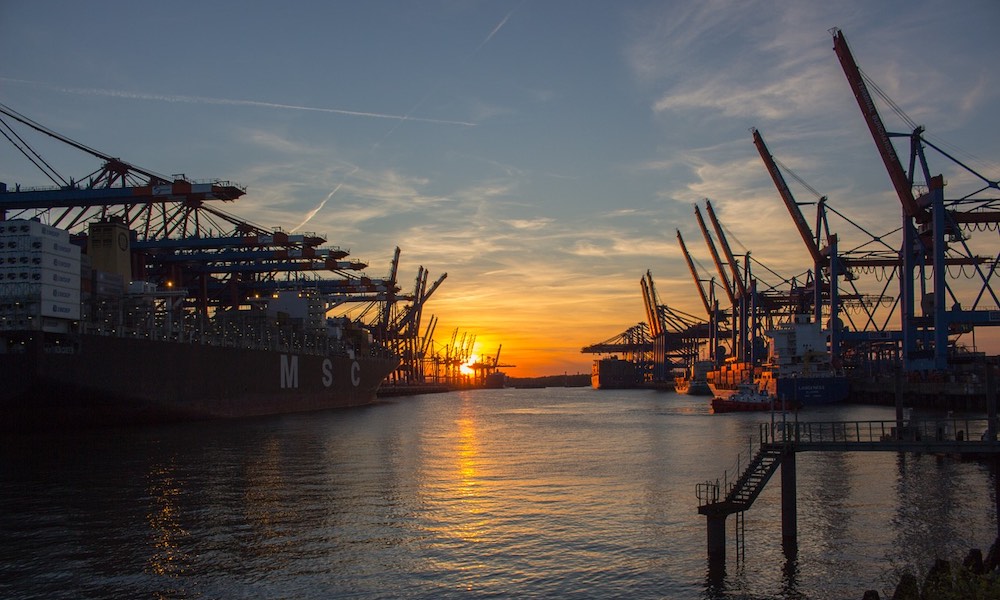
A European legal dispute over whether ships' crews can be required to perform cargo handling work in port has expanded, after the European Trade Union Confederation (ETUC) — the umbrella body for national trade union confederations across Europe — secured the right to intervene in an appeal before the Court of Appeal of The Hague.
At the heart of the case is the Non-Seafarers' Work Clause operated by the International Transport Workers' Federation (ITF), a global federation of transport workers' unions that coordinates seafarers' collective agreements with ship operators. The clause has long been a standard feature of ITF-negotiated terms. Under it, crew members covered by relevant ITF agreements are prevented from carrying out cargo handling tasks — such as lashing and unlashing — in ports where qualified dock workers are available. Lashing and unlashing, the securing and release of containers using twistlocks and steel lashing rods, is physically demanding work normally performed by trained dock personnel.
The ITF frames the provision as both a labour protection and a safety measure, arguing that requiring seafarers to take on cargo work in addition to their normal shipboard duties increases risks for crews.
The Court of Appeal has granted the ETUC permission to join the proceedings in support of the ITF and its affiliated unions. The broader appeal addresses the validity of the clause and its implications for collective bargaining rights across Europe.
The case may now extend beyond the Dutch courts. According to the ITF, the Court of Appeal has indicated that it intends to refer preliminary questions arising from the proceedings to the Court of Justice of the European Union (CJEU). Under the EU's preliminary reference procedure, national courts can ask the CJEU to interpret EU law, and the court's answers bind the referring court while guiding courts in other member states. Such a referral would give Europe's highest court on EU law the opportunity to clarify the relevant legal questions before the Dutch appeal resumes.
ITF General Secretary Stephen Cotton said unions would continue to defend the ability of workers to negotiate and enforce collective agreements.
For seafarers, the practical question is whether cargo handling can be added to their normal onboard responsibilities when vessels call at ports where professional dock labour is available. The ITF maintains that keeping these activities separate protects both occupational safety and the agreed division of work between seafarers and dockers.
The proceedings in The Hague therefore carry potential implications beyond the individual case, particularly for European operators employing crews under collective bargaining agreements that contain the clause. The procedural milestones ahead are the formal referral, if it is made, the wording of the questions put to the CJEU, and the resumption of the Dutch appeal once the court has responded.
Source: Splash247

