Ethereum Spot ETFs Draw $226 Million in a Single Day, Nearly Matching Bitcoin Funds
Key Takeaways
- •U.S. spot Ethereum ETFs attracted roughly $226 million in net inflows in a single trading day, close to the same-day total for spot Bitcoin ETFs.
- •Ethereum ETFs, launched in July 2024 about six months after spot Bitcoin ETFs, have historically drawn lower inflows than Bitcoin products.
- •A previous session saw ETH ETFs pull in $713 million, also narrowing the gap with Bitcoin.
- •A single day of near-parity is a momentum signal, not confirmation of a lasting rotation, which would require multiple consecutive sessions.
- •Sustained regulated inflows into ETH could strengthen Ethereum's settlement layer for on-chain AI activity such as agent payments and tokenized compute.
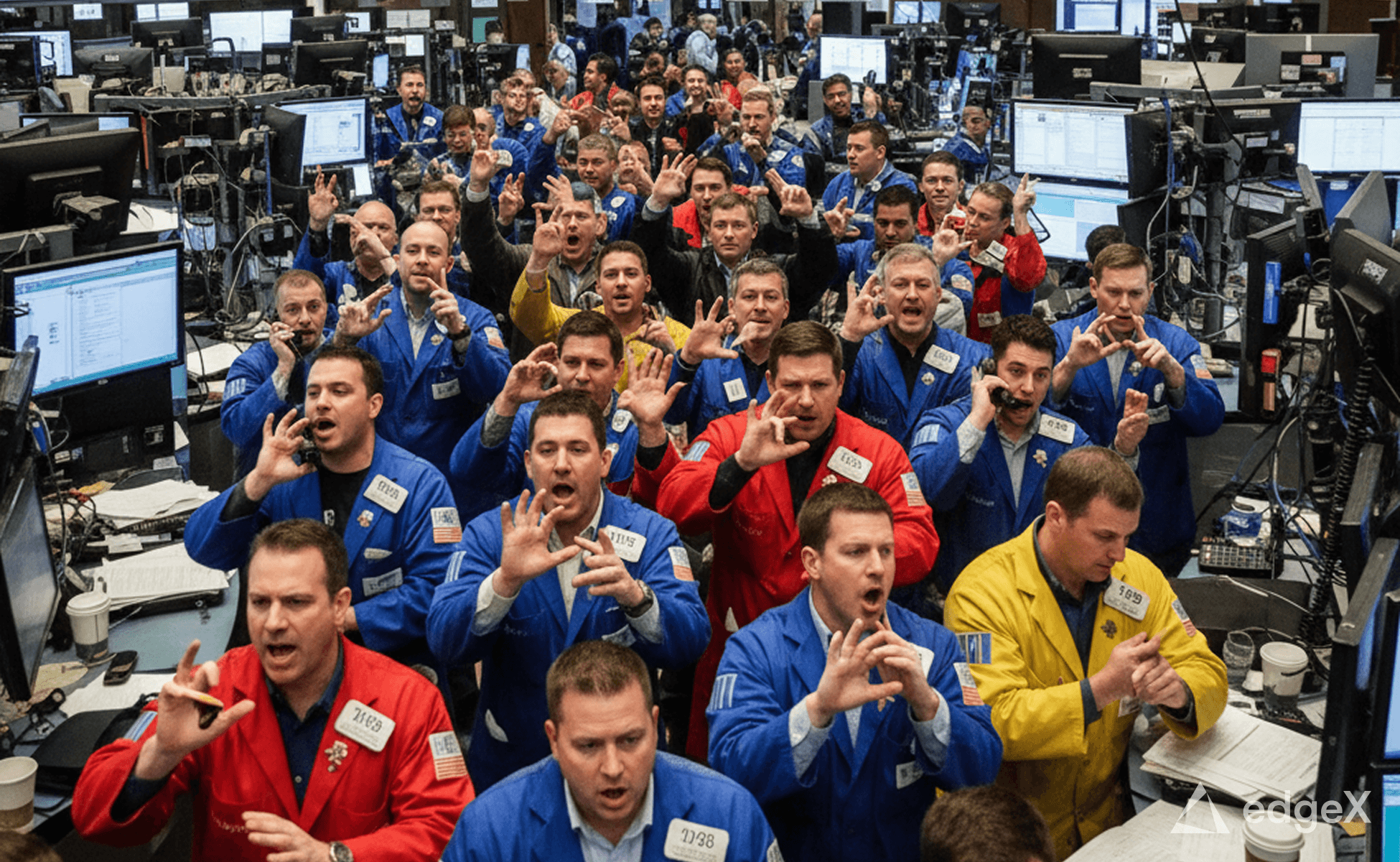
U.S. spot Ethereum ETFs attracted roughly $226 million in net inflows during a single trading day, bringing the total within close range of the same-day intake recorded by spot Bitcoin funds and narrowing a flow gap that has historically favored Bitcoin products.
The near-parity is the most notable aspect of the session. Since their U.S. launch in July 2024 — roughly six months after spot Bitcoin ETFs began trading in January 2024 — Ethereum ETF inflows have generally lagged behind their Bitcoin counterparts, so a day in which the two categories finish close together represents a meaningful data point, according to Decrypt's reporting.
Why the Session Stands Out
Spot Ethereum ETFs booked approximately $226 million in net inflows in one day, a total that came close to the haul posted by spot Bitcoin ETFs over the same session. However, a single strong day is a momentum reading rather than confirmation of a durable rotation.
What Made the Day Notable
The significance lies in the ratio rather than the raw dollar figure. Ethereum funds capturing nearly as much capital as Bitcoin funds on the same day compressed a gap that has typically run heavily in Bitcoin's direction, which distinguishes this session from an ordinary inflow day for Ethereum ETF flows.
The session echoes an earlier stretch when Ethereum products drew heavier interest, including a day when ETH ETFs pulled in $713 million and closed the gap with Bitcoin. Both episodes point to the same dynamic: allocation into Ethereum exposure tightening relative to Bitcoin rather than replacing it.
What Near-Parity Could Indicate
Closely matched daily totals can reflect a shift in where institutional attention is directed, since ETF flows are the cleanest available proxy for regulated, dollar-denominated demand. That proxy matters particularly for Ethereum, where the spot ETF structure gives traditional investors exposure to ETH without holding the asset directly or navigating exchanges and self-custody. When the two products converge on a single day, it suggests buyers treated Ethereum exposure as comparably attractive to Bitcoin within that window.
The caveat, however, matters as much as the data. One session does not confirm a lasting rotation, and daily ETF figures are volatile enough that a near-match can reverse the following day. The comparison describes short-term sentiment around Ethereum rather than a structural change in demand.
What to Watch Next
The main risk is over-reading a single data point. A durable shift would require several consecutive sessions of Ethereum flows tracking or exceeding Bitcoin's, not just one. Until then, the session reads as a momentum marker rather than a trend — a distinction that also framed prior market swings, such as Bitcoin's slide below $79,000 as XRP led broader losses.
For the AI-crypto stack, sustained ETF demand for Ethereum carries second-order weight. Ethereum settles a growing share of on-chain AI activity, ranging from agent payments to tokenized compute and data marketplaces. Deeper regulated inflows into ETH exposure reinforce the settlement layer on which decentralized AI infrastructure is increasingly built.
Disclaimer: This article is for informational purposes only and does not constitute financial or investment advice. Cryptocurrency and digital asset markets carry significant risk. Always do your own research before making decisions.
