Elon Musk Warns AI Industry Faces Cash Crunch in 2027 as Compute Investments Await Returns
Key Takeaways
- •Musk warned that delays in converting purchased compute into revenue could force the AI industry to secure hundreds of billions of dollars in additional working capital in 2027, the year he identified as the crunch period when costs would outpace revenue.
- •In October 2026, SpaceX closed roughly $40 billion in debt financing, with most of the funds earmarked for GPU purchases expected to be deployed in early 2027.
- •Musk stated that debt markets have largely shut down for neocloud providers lacking meaningful revenue outside of AI data centers.
- •Musk predicted a wave of consolidation or outright failures among the more than 200 firms operating in the AI data center space, tying the outlook to weakening investor confidence and tighter credit conditions.
- •Goldman Sachs data showed nearly $600 billion in global AI-related debt issuance year to date through late 2026, with AI capital expenditures nearing $1 trillion for the year.
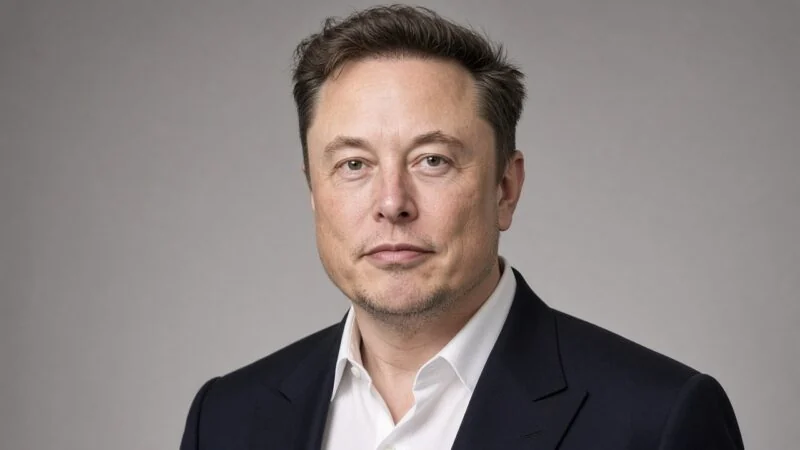
Elon Musk has warned that the artificial intelligence boom is heading for a decidedly old-fashioned problem: running out of cash before the money starts coming in.
Musk said that delays in turning purchased compute into revenue could force the sector to find hundreds of billions of dollars in additional working capital, and that the industry will need that money in 2027 just to cover costs before its computing investments turn profitable. The comment drops a sobering note into a sector that has spent the past few years treating capital as though it grows on server racks.
The warning came on November 21, 2026, during a conversation on X with AI researcher François Chollet. Musk described a looming cash shortage for the sector next year, rooted in a mismatch between when companies pay for compute and when that compute actually starts earning money.
The Working Capital Gap
The core of Musk's argument is about timing, not demand. Working capital — the money a business has to keep on hand to pay for operations in the stretch before revenue covers it — is precisely what that timing gap drains. Even short delays of just a few months in converting paid-for computing resources into revenue-generating assets, he argued, could push the industry's need for additional working capital into the hundreds of billions of dollars.
For AI firms, the upfront costs are enormous. GPUs have to be bought, data centers built, and power secured long before a single customer pays for a model query.
Musk has also flagged physical limits on how quickly new compute can come online. He has previously cited power and infrastructure constraints as a drag on AI compute growth, and has said he is aiming for more than 10 GW of new capacity in 2027. That target places new capacity coming online in the same year Musk identifies as the crunch period, when costs would still be running ahead of revenue.
Debt Markets Grow More Selective
In October 2026, Musk disclosed that SpaceX, where he serves as chief executive, had closed roughly $40 billion in debt financing, the bulk of it earmarked for GPU purchases expected to be deployed in early 2027. The structure of the deal mirrors the timing mismatch at the heart of the warning: capital raised in October 2026 for hardware that would only begin going live the following year.
At the same time, Musk said debt markets had largely shut down for neocloud providers — the newer cloud companies that rent out AI computing power — if they lack meaningful revenue outside of AI data centers.
He went even further, predicting a wave of consolidation or outright failures among the more than 200 firms now operating in the AI data center space, and he tied that outlook to weakening investor confidence and tighter credit conditions.
Goldman Sachs data showed nearly $600 billion in global AI-related debt issuance year to date through late 2026, with AI capital expenditures nearing $1 trillion for the year.
What the Warning Means
For investors, the warning shifts attention from growth to liquidity. The question is no longer only which AI company has the best model, but which one can fund itself through a cash-hungry 2027.
The neocloud segment deserves the closest scrutiny. Musk's view that debt markets have largely closed to providers without revenue beyond AI data centers suggests the sector's weakest balance sheets could be tested first.
The hardware supply chain sits at the center of the issue. Limited GPU availability and delays in getting power connected are exactly the kinds of bottlenecks that stretch the gap between spending and revenue that Musk described, since they keep paid-for capacity offline even as costs accumulate.
There is also a tension worth noting. The industry is borrowing at a historic pace, with nearly $600 billion in AI-related debt issued through late 2026, according to Goldman Sachs, yet Musk is effectively saying that even that may not be enough to bridge the timing gap.
Key signals to track in the months ahead include how AI-related debt issuance trends into 2027, whether more neocloud providers report funding trouble, and how quickly large GPU orders like SpaceX's actually come online and start generating revenue. If deployments slip, the cash pressure Musk warned about would likely intensify.

