Elon Musk Says AI and Robots Could Make Money Less Relevant by 2036
Key Takeaways
- •Musk said AI and robotics could reduce the practical need for money if they make goods and services widely abundant by 2036.
- •He argued that money mainly helps allocate scarce goods and services, a role that could shrink if production greatly exceeds consumption needs.
- •Bitcoin advocates noted Musk’s comments because he has previously described energy as the foundation of money and contrasted energy with fiat currency creation.
- •SpaceX reportedly holds about 18,712 Bitcoin, while Tesla owns around 11,509 Bitcoin, with a combined value near $2 billion at roughly $65,000 per coin.
- •The article says Bitcoin’s long-term relevance would depend on factors including scarcity, network security, regulation, custody, energy availability and user demand.
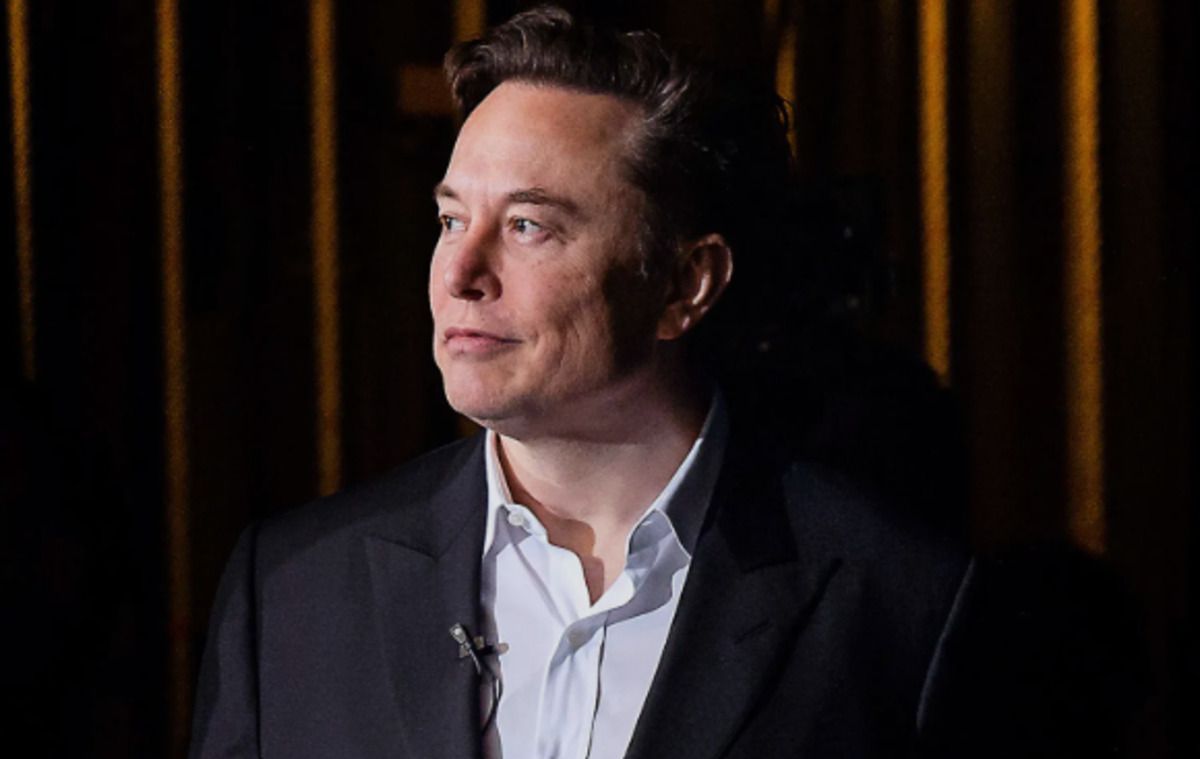
Elon Musk said money could become largely irrelevant by 2036 if artificial intelligence and robotics create a world of extraordinary abundance, a prediction that has drawn attention from Bitcoin supporters during a difficult period for the cryptocurrency market.
In an interview with The Economist editor-in-chief Zanny Minton Beddoes, Musk said people mainly need money to obtain goods and services such as food, housing, transport and entertainment. The interview was referenced by The Economist at and on X at https://x.com/TheEconomist/status/2081011617433596248.
Musk argued that advances in artificial intelligence and robotics could eventually allow society to produce more goods and services than people are able to consume. In that scenario, he said, the role of traditional money could be greatly reduced because scarcity would become less important across large parts of the economy.
According to Musk, robots and AI systems could make it possible to produce essential goods cheaply and efficiently. He said rapid progress in AI and robotics could reshape global production over the next decade, with machines eventually performing much of the work now done by humans while producing food, housing, transport and other services at unprecedented scale.
Under such conditions, people may not need money in the same way they do today. Musk also questioned the purpose of accumulating wealth if AI-powered systems can provide more goods and services than any person could reasonably consume. The argument centers on money’s practical role as a way to allocate scarce goods and services, though money also serves as a unit of account and a store of value in modern economies.
The comments attracted interest among Bitcoin advocates because Musk has previously described energy as the real foundation of money. Bitcoin mining depends on large amounts of computational power and electricity, which has led some cryptocurrency supporters to view Bitcoin as a monetary system directly tied to energy use.
Musk has also argued that governments can create more fiat currency, while energy itself cannot be fabricated. Those remarks have fueled speculation that he views Bitcoin as a stronger form of money than government-issued currencies, although he has not explicitly endorsed Bitcoin as a future global currency.
Tesla and SpaceX also reportedly hold sizable amounts of Bitcoin. SpaceX holds approximately 18,712 Bitcoin, while Tesla owns around 11,509 Bitcoin. At a Bitcoin price of roughly $65,000, their combined holdings would be worth close to $2 billion.
BTC’s year-to-date price performance was cited by CoinCodex, available at
Musk’s 2036 prediction comes as crypto markets remain under pressure. Bitcoin fell below $65,000 in February and has struggled to establish a sustained recovery. His view of a future in which money becomes less central could carry conflicting implications for Bitcoin.
If traditional money becomes less important because goods and services are widely available, demand for all currencies could decline. At the same time, Bitcoin could retain value as a scarce digital asset, a store of wealth or a way to transfer value outside government-controlled financial systems.
Bitcoin’s fixed supply of 21 million coins could also make it appealing to supporters in a world where fiat currencies continue to expand. Some advocates may frame the cryptocurrency as a form of digitally stored energy or as a hedge against monetary inflation. Any longer-term role for Bitcoin would still depend on factors beyond scarcity, including network security, regulation, custody, energy availability and whether users continue to treat it as useful for saving or transferring value.
Musk’s prediction remains highly speculative. Reaching a world of abundance by 2036 would require major advances in robotics, AI infrastructure, energy generation and manufacturing. It would also require those technologies to be deployed widely enough to affect everyday access to goods and services, not only to improve production in isolated sectors.

