Musk Commits $200 Million to Boost GOP Voter Turnout in Texas Elections
Key Takeaways
- •Elon Musk has committed $200 million to support Republican voter turnout in upcoming Texas elections, including the Texas Senate race.
- •Texas Attorney General Ken Paxton, in office since 2015, is reportedly among the GOP candidates facing a fundraising gap, and Texas imposes no limits on individual contributions to state-level candidates.
- •Federal law caps direct individual contributions to Senate candidates at $3,500 per election this cycle, so money at this scale is expected to flow through super PACs and independent turnout operations, the channel used by Musk's America PAC, which he backed with more than $250 million in the 2024 cycle.
- •Prediction-market pricing shows Republicans at 49% in the Texas Senate race, roughly even odds in a state that has not elected a Democrat statewide since 1994, the longest such streak in the nation.
- •Groups tied to Musk spent more than $20 million on Wisconsin's April 2025 Supreme Court race, in which the conservative candidate he supported lost by 10 points.
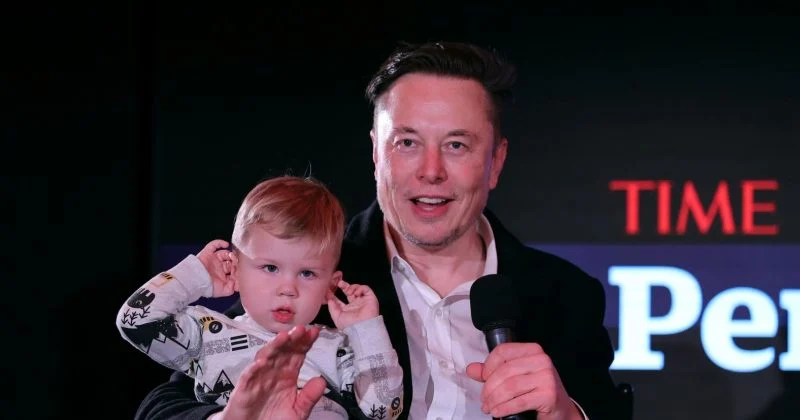
Elon Musk has announced plans to commit $200 million to support GOP voter turnout in upcoming Texas elections. The significant financial injection is aimed at bolstering Republican candidates, including those competing in the Texas Senate race.
The pledge comes amid a challenging fundraising environment for some GOP candidates. Texas Attorney General Ken Paxton, who has held the office since 2015, is reportedly among those facing a fundraising gap. Musk's involvement is expected to influence the dynamics of the race, potentially altering the current odds and the strategies employed by both parties. The scale of the commitment is notable in Texas specifically: the state imposes no limits on individual contributions to state-level candidates, and $200 million rivals the cost of entire U.S. Senate campaigns — the 2024 Texas Senate race between Ted Cruz and Colin Allred, the most expensive Senate contest of that cycle, saw the two campaigns raise more than $150 million combined.
Musk, the chief executive of Tesla and SpaceX and the owner of the social media platform X, was one of the most prominent individual donors of the 2024 U.S. election cycle, funding America PAC, which concentrated on voter-turnout operations; federal disclosures show he contributed more than $250 million to Republican campaigns and committees that cycle. America PAC's field program drew attention for unorthodox tactics, including paying canvassers per door knocked and running cash giveaways to registered swing-state voters that attracted scrutiny from the Justice Department. Tesla, the electric vehicle maker he leads, has been headquartered in Austin since 2021, and Musk has since moved SpaceX's and X's headquarters to Texas as well.
Because federal law caps direct individual contributions to Senate candidates at $3,500 per election this cycle, money at this scale typically flows through super PACs and independent turnout operations rather than candidate coffers — the same channel America PAC used in 2024. Prediction-market pricing currently shows Republicans at 49% YES in the Texas Senate race, indicating a competitive scenario; a figure near 50 implies roughly even odds, which stands out in a state that has not elected a Democrat statewide since 1994, the longest such streak in the nation. Market pricing suggests Musk's financial support could enhance GOP turnout efforts, with possible effects on voter engagement.
The next 75 days leading up to the election will be crucial in determining the effectiveness of Musk's involvement in GOP voter turnout efforts. Among the key indicators observers will be watching are shifts in polling numbers and changes in the candidates' fundraising activities. Musk's recent record offers one reference point: in Wisconsin's April 2025 Supreme Court race, groups tied to him spent more than $20 million backing the conservative candidate, who lost by 10 points. Any potential backlash or strategic adjustments by the Democratic Party could also affect market perceptions of the race.

