Trump's 'Businessman' Image in Ruins as Recession Warnings Mount, New Republic Column Argues
Key Takeaways
- •Michael Tomasky, editor of The New Republic, argues in a column that President Trump's policies are setting the United States on course for a recession.
- •Recent warnings cited in the column include billionaire investor Leon Cooperman's projection of a recession in 2027 and economist Gary Shilling's forecast of one within 12 months.
- •According to the Tax Foundation, Trump's tariffs increased taxes on the average American household by $1,000 in 2025 and are projected to reduce long-run GDP by 0.4 percent.
- •Trump recently rejected Iran's latest offer to negotiate an end to the war within seven days, a conflict the column says has caused wide-ranging economic damage.
- •Tomask contends that the last five recessions, and seven of the last eight, occurred under Republican presidents, a pattern he links to the GOP's embrace of unregulated markets since the 1970s.
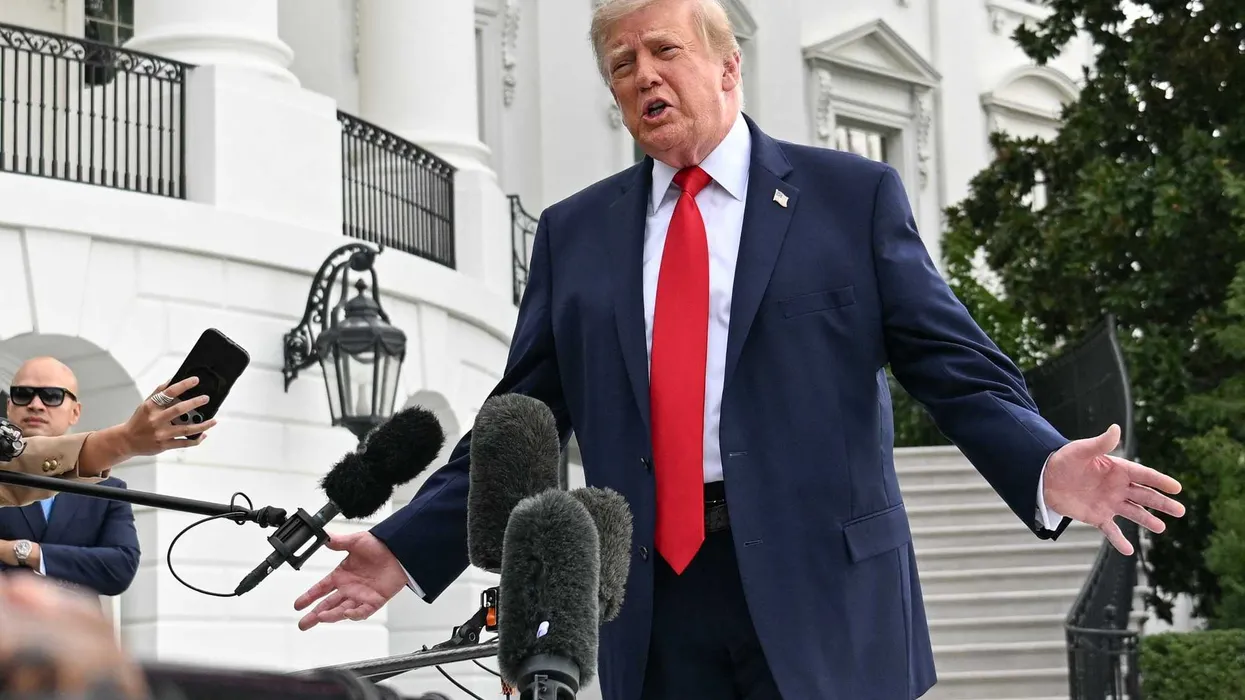
President Donald Trump won the 2024 election in large part because voters hoped his background in business would help bring down prices. Nearly two years later, that reputation lies in tatters, according to New Republic editor Michael Tomasky, who writes that a growing number of economists and market watchers now say the president's policies are setting the United States on course for a recession.
In a column for The New Republic, highlighted by Alternet, Tomasky describes a monthly ritual: searching Google News for the single word “recession.” Most of the time, he writes, the headlines are reassuring — items like “Despite downturn, experts don’t see recession coming.” On Sunday, they read differently: “Is the World Staring at a Big Stock Market Crash — and Recession? 5 Uneasy Signs”; “The Fed Just Raised Interest Rates. Recession Is Next”; “Billionaire investor Leon Cooperman sees a recession in 2027 and a stock drop ahead”; and “Legendary economist Gary Shilling says consumer signals point to a recession in the next 12 months.” The batch also comes with testable timelines — 2027 in Cooperman's case, a 12-month window in Shilling's — that readers can track against incoming data.
While many factors can contribute to a recession — a broad, sustained decline in economic activity that typically brings job losses and tighter household budgets — Tomasky argues that the driving force behind the current economic decline is unmistakable. “Every decision he makes is the wrong one and makes the situation worse,” he writes of Trump.
As one example, Tomasky points to the tariffs Trump promised would “liberate” the country. The Tax Foundation, a nonpartisan Washington, D.C.-based tax policy research organization that tracks their economic impact, has kept score, and in Tomasky's words the verdict is simple: “They’ve been a disaster.” The tariffs increased taxes on the average American household by $1,000 in 2025 and are projected to reduce long-run gross domestic product by 0.4 percent, among other effects.
The war with Iran, Tomasky adds, has wrought wide-ranging economic damage. Even so, Trump recently rejected Iran’s latest offer to negotiate an end to the war within seven days, apparently in the belief that he can secure a better deal. The war’s trajectory, alongside the tariff ledger and the monthly flow of economic data, now stands among the variables that will test the recession calls piling up in Tomasky’s news feed.
The list of missteps is long, Tomasky writes, but it comes down to one thing: “Trump is wrecking the economy. And he’s wrecking the economy for the same reason that most Republican presidents wreck the economy.”
In his telling, the pattern dates to the 1970s, when the GOP began emphasizing unregulated markets. Since then, he argues, Republican presidents have presided over “economic calamities,” with five of six seeing the economy crumble on their watch. “It’s not a coincidence that the last five recessions, and seven of the last eight, have happened under Republican presidents,” he writes.
The reason, Tomasky asserts, is that Republicans believe in “economic nostrums that are either lies or fairy tales” — the lie that lower taxes can produce revenues equal to or greater than higher taxes, and the fairy tale that an unregulated free market will unfailingly find solutions to society’s problems. Pointing to cryptocurrencies and artificial intelligence, he argues that today’s lightly regulated markets create more problems than they solve.
Trump’s first term did produce an economic calamity, but that downturn was driven large part by pandemic pressures beyond his control. This time, Tomasky concludes, “it will be entirely on him. He may have driven the country into the ditch, but at least he will have exploded the ‘we need a businessman’ myth.”

