ECB's Rehn: No Clear Signs of Second-Round Inflation Effects Yet
Key Takeaways
- •ECB Governing Council member and Bank of Finland Governor Olli Rehn said the euro area has shown no clear signs of second-round inflation effects so far, with wage growth and its outlook remaining moderate.
- •Rehn emphasized that keeping inflation expectations anchored is essential to ensure second-round effects do not emerge.
- •The ECB reportedly still looks poised to act at its September meeting to better position itself for further rate hikes if second-round effects begin to materialize.
- •Even with another rate hike, the ECB's deposit facility rate would only rise to 2.50%, a level deemed only marginally restrictive relative to neutral.
- •Traders are pricing roughly 90% odds of a September rate hike, with about 58 basis points of cumulative hikes expected by June of next year.
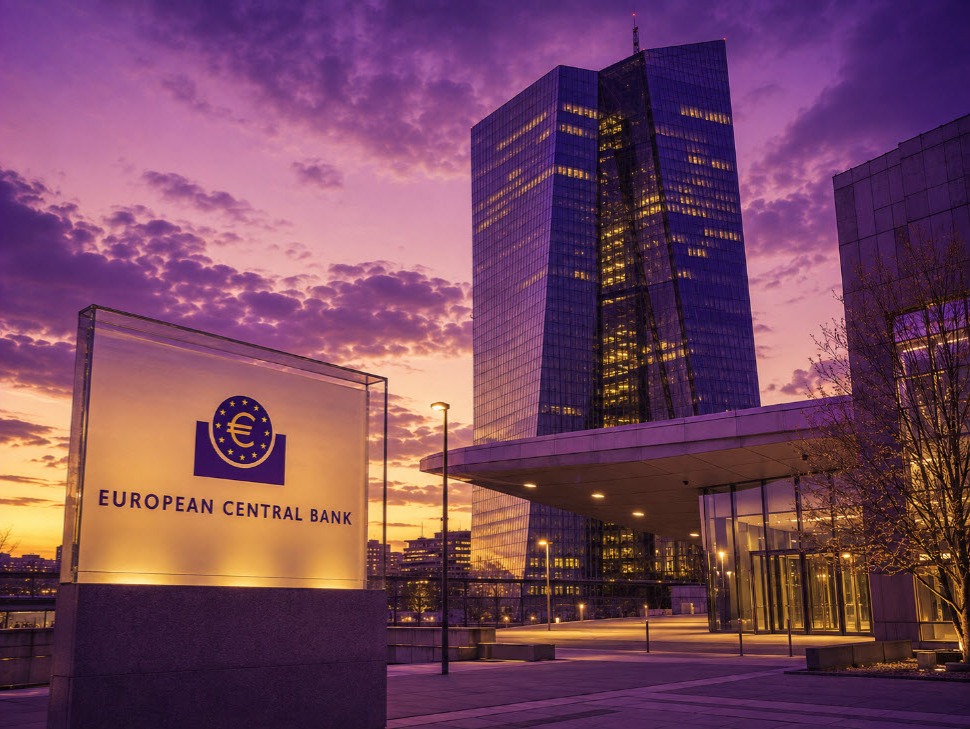
European Central Bank Governing Council member Olli Rehn said on Wednesday that the euro area has shown no clear signs of second-round inflation effects so far, with wage growth remaining contained.
In remarks reported by ForexLive, Rehn, who also serves as Governor of the Bank of Finland — a post he has held since 2018 and which carries a seat on the rate-setting Governing Council — made the following points:
- The wage growth and wage outlook have remained moderate so far.
- There are no clear signs of second-round effects.
- Keeping inflation expectations anchored will be essential to ensure this remains the case.
"Second-round effects" refer to a situation in which initially higher prices feed into wage demands and broader price-setting behavior, making inflation more persistent and harder to bring back down. Preventing such dynamics is a core concern for the ECB, whose mandate is price stability, defined as inflation of 2% over the medium term. It is also why the bank keeps a close watch on negotiated wage trackers and survey-based measures of inflation expectations — the channels through which such dynamics would first show up.
Limited news value in the remarks
There was nothing major in Rehn's comments. According to the report, the ECB still looks poised to act again in September to better position itself for further rate hikes if needed, should second-round effects begin to materialize.
Where policy rates stand
As previously noted, the ECB had already cut interest rates down to roughly neutral territory before the latest adjustment cycle. Even with another rate hike to follow, the deposit facility rate — which serves as the ECB's key policy rate — would only move back up to 2.50%. At that level, it is arguably deemed to be only marginally restrictive. A neutral setting is one that neither stimulates nor restrains the economy, so the step from neutral up to 2.50% represents essentially the full extent of the restraint the ECB would have built in by that point.
That means that if the ECB were to genuinely face an inflation problem, many more rate hikes would likely be needed beyond that point, especially in a scenario involving potential second-round effects.
Market pricing
For context, traders are pricing in roughly 90% odds of a rate hike at the ECB's September meeting, with about 58 basis points of cumulative rate hikes priced in by June of next year. That cumulative figure equates to a little more than two quarter-point moves, with the wage growth and inflation-expectations picture Rehn described remaining the key checkpoint between now and then.

