Ebru Koksal: 'Women Tend to Ask Difficult Questions, and That's Not Always Liked'
Key Takeaways
- •Ebru Koksal transitioned into football after being dismissed from a private equity fund due to assumptions about her capacity as a mother of two, eventually rising to CEO of Galatasaray and becoming the first woman elected to the European Club Association board without a quota.
- •Koksal has served as chair of Women in Football since 2018, an organization that documents and advocates against the underrepresentation of women in senior football roles.
- •England distinguishes itself in European football by having women chair the FA, Premier League, and Women's Super League, a result Koksal attributes to the recruitment of independent board members.
- •Lina Souloukou, the sole female CEO of a Premier League club at the time, departed her role during the summer.
- •Koksal describes a "silent barrier" that continues to obstruct women from reaching top football leadership positions such as CEO, chair, or board roles across the sport.
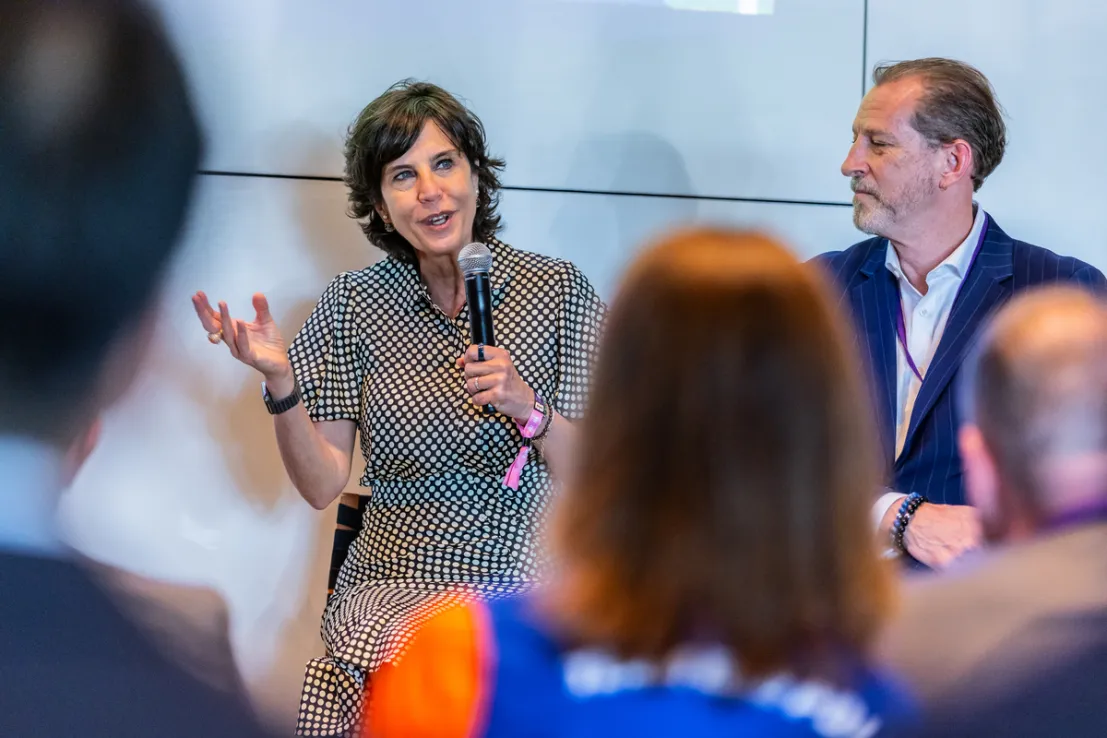
Former investment banker turned CEO of Galatasaray, Turkish Football Federation general secretary, and advisor to both Fifa and Uefa, Ebru Koksal, speaks about the barriers confronting women in football, how the sport compares to the world of finance, and what England is getting right.
Ebru Koksal's rise to become a trailblazing female figure and one of the most respected executives in football was, by her own account, entirely accidental.
After studying in the United States and launching a career in investment banking on Wall Street, she returned to Turkey to join a private equity fund that planned to invest in the country's biggest club, Galatasaray. On the very day the deal was signed, she gave birth to her second child.
"I was told after three weeks I couldn't work for the fund anymore because they thought that, as a woman with two young children, I couldn't handle the schedule and the pressure," she recalls. "But they said, if I wanted, I could go and work for Galatasaray as interim CFO. You can imagine the dilemma: do I hire a lawyer and open a court case, or do I go and work in football?"
Within a few years, Koksal had worked her way up to CEO. She also became the first woman elected to the board of the influential European Club Association (ECA), the body representing more than 200 of the continent's leading clubs and a key voice in shaping UEFA's commercial and competitive agenda, served a stint as general secretary of the Turkish Football Federation, and later consulted for both Fifa and Uefa.
"I was way too early for my time, I think, and initially I didn't even realise that it was so unique for a woman to be the CEO of a football club, let alone in Turkey, even in Europe. It was very, very unique," she says. "But it was more around 2010, when I was elected to the ECA through an election without a quota, I realised there is nobody else around."
That experience drives her continued advocacy for equal opportunities at Women in Football, an organization she has chaired since 2018 and which has become a leading voice in documenting the underrepresentation of women in senior roles across the sport. Her financial expertise — she still works in asset management alongside board positions in football and tennis — also places her in a unique position to compare the two industries.
"I think in finance at least, there seems to be a better merit-based advancement, and possibly less prejudice, perhaps, although, of course, there's always unconscious bias that might be shaping people's decisions," she says.
"But there's quite a patriarchal system in football where the owner [of a club] or the president [of a governing body] has the last say and people around them are not necessarily always challenging the assumptions and asking the difficult questions. As women we do tend to ask difficult questions, and that's not always so well liked."
Koksal Kept Awake by 'Silent Barrier' for Women
The events of recent weeks in football have only underscored that point. Koksal says she is "very proud" that England has Debbie Hewitt, Alison Brittain, and Dawn Airey serving as chairs of the FA, the Premier League, and the Women's Super League, respectively — "but that's only possible because they're recruiting independent board members and chairs." England's approach stands in contrast to much of European football, where club ownership structures often concentrate authority in a single individual or small group.
The only female CEO of a Premier League club, Lina Souloukou, departed her role this summer.
"We see more women at senior leadership levels, but there is always a silent barrier when it comes to being at the helm, whether it's chair, a board role or CEO, and that's the part that is keeping me awake at night. Because when you're not at the table, you're on the menu."
Female Uefa executives Lise Klaveness and Laura McAllister have been credited with leading the revolt against Fifa president Gianni Infantino, with Klaveness even tipped as a potential successor. Koksal knows firsthand how difficult it is for women to reach the top — "it's very political" — but at 58, she still harbours significant ambitions within the game.
"There's always one dream that my husband absolutely hates and says no, but I say I won't die without having run for presidency of Galatasaray one day," she says. "For the moment I'm enjoying the work I'm doing and being able to contribute to different aspects of football and look forward to the day when some Premier League clubs might have independent board directors where we as Women in Football can help identify talented women who can take on those roles."

