Drift Opens DFX Claims for Victims of April $299.5M Loss Event
Key Takeaways
- •Claims for DFX recovery tokens opened on October 1 through dfx.drift.trade, with the 15-month window closing on January 1, 2028, when all unclaimed tokens will be burned.
- •Eligible wallets receive one DFX for every US of verified loss, and the total token supply is permanently capped at 299,500,810.998 DFX.
- •The recovery pool currently holds roughly 3.1 million USDT, so immediate redemption returns approximately 0.0104 USDT per token, or just over one cent per dollar of the original loss.
- •The pool receives 60% to 90% of Drift's daily Net Protocol Revenue on a tiered schedule, with contributions arriving at 00:00 UTC until the full amount of verified losses is covered.
- •Tether has committed up to $127.5 million and other strategic partners up to $20 million, a combined ceiling of $147.5 million under the $150 million recovery plan announced in April.
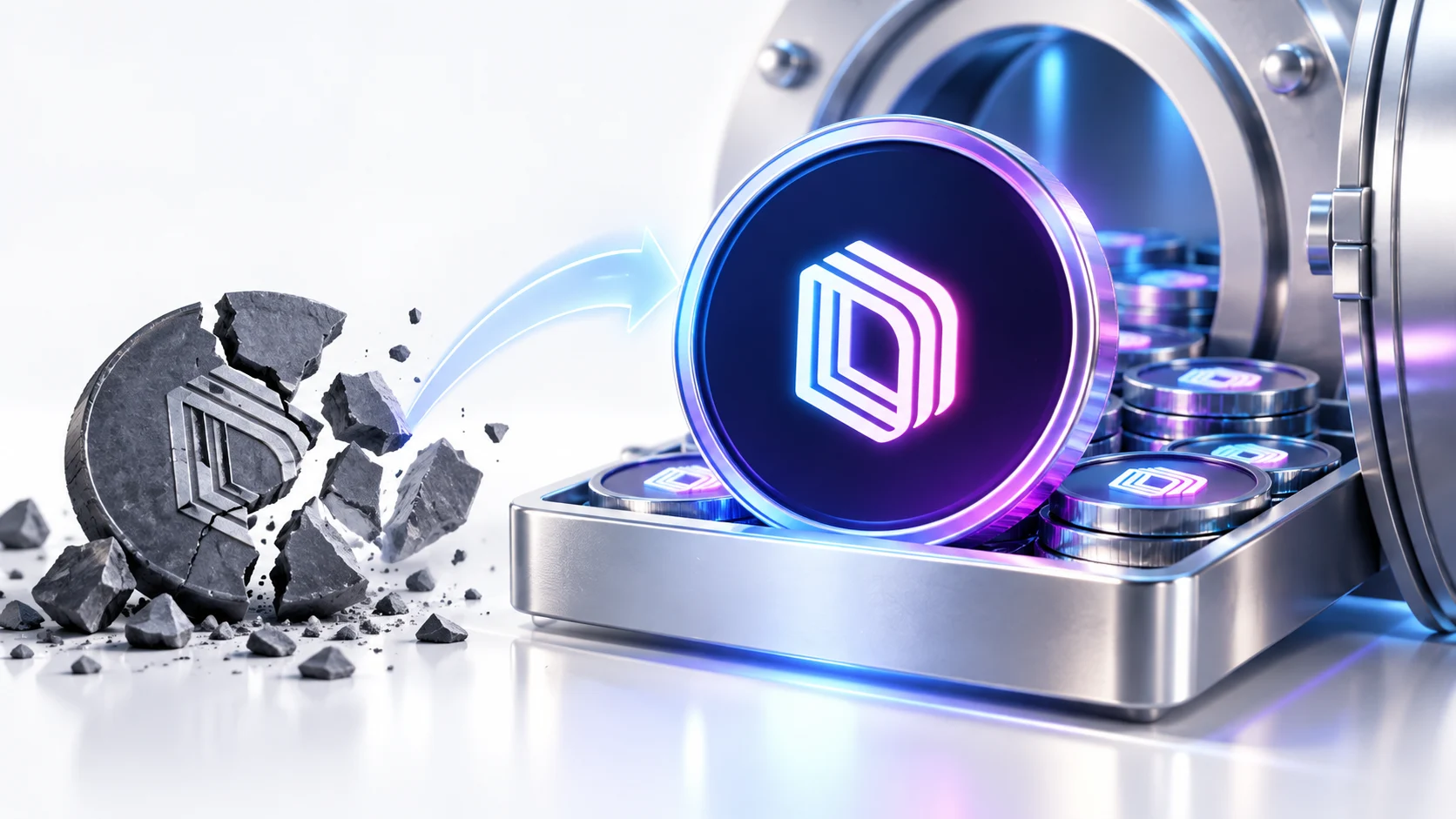
Drift has opened the claim window for DFX recovery tokens, allowing victims of the protocol's April 1 exploit to register their verified losses and begin redeeming USDT as the recovery pool is rebuilt. According to the official announcement, eligible wallets receive one DFX for every USDT of verified loss, with total supply permanently capped at 299,500,810.998 DFX.
Claims opened on October 1 through dfx.drift.trade and will remain available until 00:00 UTC on January 1, 2028, at which point all unclaimed tokens will be burned. The 15-month window opens six months after the attack itself.
The claim process stems from the April 1 attack, which became one of 2026's largest DeFi losses after a months-long social engineering operation compromised Drift contributors. Mandiant later attributed the operation to the North Korean threat group UNC6862.
Early Redemptions Return About One Cent Per Dollar
DFX can be redeemed directly against a USDT recovery pool that currently holds roughly 3.1 million USDT. At launch, each token is worth approximately 0.0104 USDT through the redemption mechanism, meaning an immediate redemption recovers just over one cent for every dollar represented by DFX. The current balance covers roughly one percent of the verified losses implied by the supply cap, leaving most of the recovery dependent on future deposits.
Redemption is permanent. DFX used in a redemption is burned while the corresponding USDT is released, leaving the holder with no claim on future additions to the pool for those tokens. Alternatively, holders can keep DFX while the pool grows, or transfer and trade the SPL token on secondary markets such as Raydium.
The redemption rate is calculated by dividing the recovery pool balance by the outstanding DFX supply. New funding raises the rate, while redemptions remove USDT and DFX proportionally without reducing the value available per remaining token.
Velocity Revenue Feeds the Recovery Pool Daily
Velocity trading activity now provides a recurring source of recovery capital. Fifteen percent of net trading fees is directed to the Insurance Fund, another 15% funds vAMM capital, and the remaining 70% becomes Net Protocol Revenue.
The recovery pool receives 60% of the first 30,000 USDT in daily Net Protocol Revenue, 70% of revenue between 30,000 and 100,000 USDT, and 90% of anything above 100,000 USDT. Contributions arrive at 00:00 UTC each day and will continue until the pool has received the full amount of verified losses. The fixed daily schedule gives holders a running checkpoint on the pool's progress toward full coverage of the verified losses.
Tether has separately committed up to $127.5 million toward Drift's relaunch and user recovery, while other strategic partners have committed up to $20 million. Together, the two commitments carry a combined ceiling of $147.5 million. The structure was first outlined in Drift's $150 million recovery plan announced in April. Any assets recovered through freezes, bounties, or law enforcement action will also flow into the pool.
The broader recovery effort followed an exploit that spread across Solana DeFi and affected assets ranging from JLP and stablecoins to SOL and wrapped Bitcoin. DFX holders who do not redeem immediately retain exposure to every future recovery-pool deposit, while each redemption or unclaimed-token burn reduces the supply sharing those future funds.

