DPK Loses Ground With Young Voters Amid Housing, Investment and Justice Reform Backlash
Key Takeaways
- •DPK support among voters in their 20s dropped to 22.7 percent in early August, well below the overall national average of 41.3 to 45.1 percent.
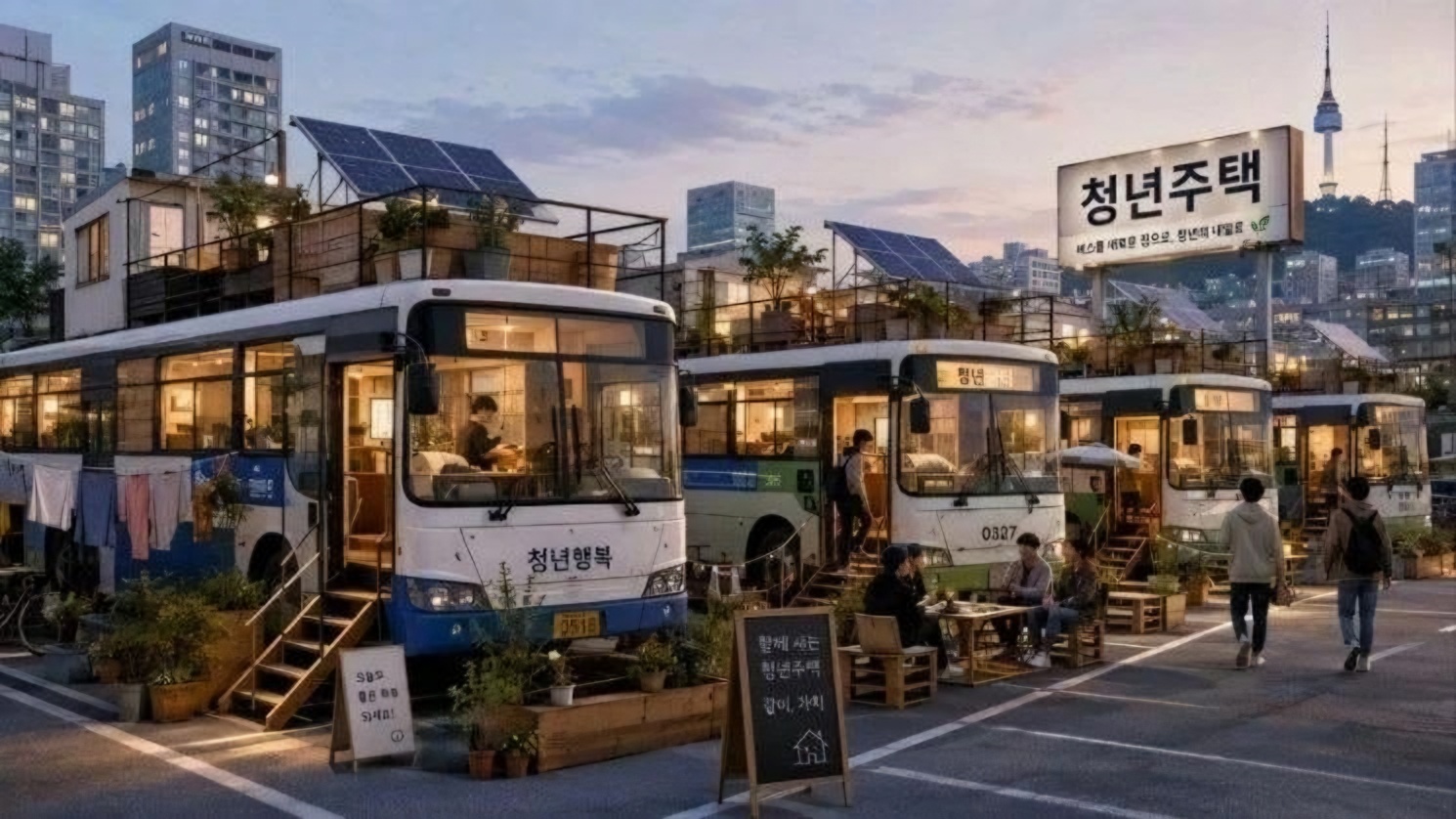
- •A proposal by DPK Rep. Hwang Hee to convert old buses into housing for young people triggered public outrage and was later retracted with an apology.
- •Proposed changes to individual savings account rules unsettled young investors who had been using them to purchase S&P 500 ETFs, undermining confidence in policy consistency.
- •The DPK's push to abolish prosecutors' supplementary investigative authority has raised concerns among young women about the handling of sex crime cases.
- •President Lee Jae Myung's approval rating fell to 43.3 percent, the lowest since he took office, with only 27.9 percent of voters in their 20s expressing approval.
The ruling Democratic Party of Korea (DPK) continues to face mounting difficulty winning support among voters in their 20s and 30s, as a string of controversies spanning housing, investment policy and criminal justice reform deepens perceptions that the party is out of touch with the concerns of younger adults.
The liberal DPK has historically enjoyed stronger backing from younger voters compared with the conservative People Power Party. However, its lawmakers are now widely seen as advancing policies that make life more difficult for the younger generation. South Korea's two-party system has long treated younger voters as a swing constituency, and their migration between parties has frequently foreshadowed broader shifts in the country's political landscape.
Bus-to-housing proposal sparks outrage
The most recent flashpoint came from DPK Rep. Hwang Hee, who last week suggested converting decommissioned buses into temporary housing for young people as a way to ease the burden of high housing prices.
"If they had seriously thought about what people in their 20s are actually worried about, I don't think they could have come up with something like this," said Kim, a 28-year-old office worker in Seoul. "Lawmakers should first ask themselves whether they would be willing to live there."
Hwang subsequently apologized for the remark, which triggered a wave of AI-generated memes ridiculing the proposal across social media.
Park Chang-hwan, a professor at Jangan University, said the controversy resonated because housing has become an increasingly urgent issue for young adults, many of whom are already grappling with rising "jeonse" deposits — lump-sum payments made to landlords in lieu of monthly rent under South Korea's traditional lease system — and monthly rent payments long before homeownership is within reach.
"For ordinary people, it's like suffering through a drought while the government talks about how to prepare for torrential rain," Park said. He argued that policies focused primarily on curbing speculative real estate investment and luxury home purchases fail to address the housing pressures that young people actually experience.
Investment and savings policy changes rattle younger Koreans
Economic policies advanced by the ruling party have generated additional sources of frustration.
Park, a 30-year-old Seoul office worker, said he had been directing a substantial share of his income into S&P 500 index exchange-traded funds (ETFs) through an individual savings account. Proposed changes affecting existing accounts, however, caught him off guard.
"It seriously undermined my trust in the consistency of government policy," he said, adding that the uncertainty led him to consider investing directly in U.S.-listed ETFs instead.
The controversy emerged as the government tightened lending rules and implemented other measures affecting how younger Koreans save, invest and access the housing market. While these policies are primarily the work of the administration as a whole, analysts note that voters frequently judge the government and the ruling party as one.
Criminal justice reform draws concern
The DPK has also encountered pushback over its push to abolish prosecutors' supplementary investigative authority, a power that allows prosecutors to open and conduct independent investigations beyond cases referred by police. The issue has raised concerns among young women about its potential impact on cases involving violence against women, particularly regarding the handling of sex crimes and related offenses.
Polling data underscores the generational gap
Recent polling highlights the DPK's challenges with younger demographics. According to Realmeter, one of South Korea's major polling firms, support for the DPK among voters in their 20s has swung sharply over the past six weeks — starting at 22.1 percent in the first week of July, rising to 33.4 percent in the fifth week, before dropping back to 22.7 percent in the first week of August.
Support among voters in their 30s followed a different trajectory, standing at 27.8 percent in the first week of July and climbing to 38.4 percent in the most recent survey.
Across both age groups, support levels remained well below the overall average among all age groups, which ranged between 41.3 percent and 45.1 percent over the same period.
"The conservative shift among voters in their 20s and 30s and their departure from the DPK became more pronounced since the June 3 local elections," said Eom Kyeong-young, head of the Zeitgeist Institute.
He noted that concerns over disparities in housing and financial assets, combined with the supplementary investigation issue, have increasingly cut across the gender divide that once sharply separated younger male and female voters.
Park cautioned against attributing the shift to any single controversy, describing the latest disputes as adding fuel to the fire.
"It's not simply a matter of one or two policy mistakes," Park said. The deeper problem, he argued, is a widening gulf between the DPK and younger voters who no longer see the party offering a convincing vision for their future.
President Lee Jae Myung's approval rating declines
The DPK's difficulties are reflected in President Lee Jae Myung's approval ratings. Lee's approval fell to 43.3 percent in the latest Realmeter poll, the lowest since he took office. His support among voters in their 20s stood at just 27.9 percent — 15.4 percentage points below his overall rating — while approval among those in their 30s was 33.2 percent.
Shin Yul, a political science professor at Myongji University, said the situation should not be interpreted solely as younger voters rejecting the administration.
"This is not a matter of a generational encirclement caused by voters in their 20s and 30s abandoning the president," Shin said, noting that deteriorating sentiment around housing is also alienating some voters in their 40s.
He warned that Lee could face further erosion in his approval rating unless the government addresses housing concerns and the DPK revisits the supplementary investigative authority issue.
Source: The Korea Times
