Dormant Bitcoin Wallet Activates Amid Coldcard Security Crisis and Yen Intervention Concerns
Key Takeaways
- •A Bitcoin wallet dormant for over twelve years moved its entire 500 BTC balance valued at approximately $31.3 million, though the transfer was not a confirmed sale and may have been a precautionary security measure.
- •A Coldcard hardware wallet vulnerability has allowed attackers to drain an estimated $130 million in Bitcoin from affected wallets since July 30, making it one of the largest hardware-wallet-related losses on record.
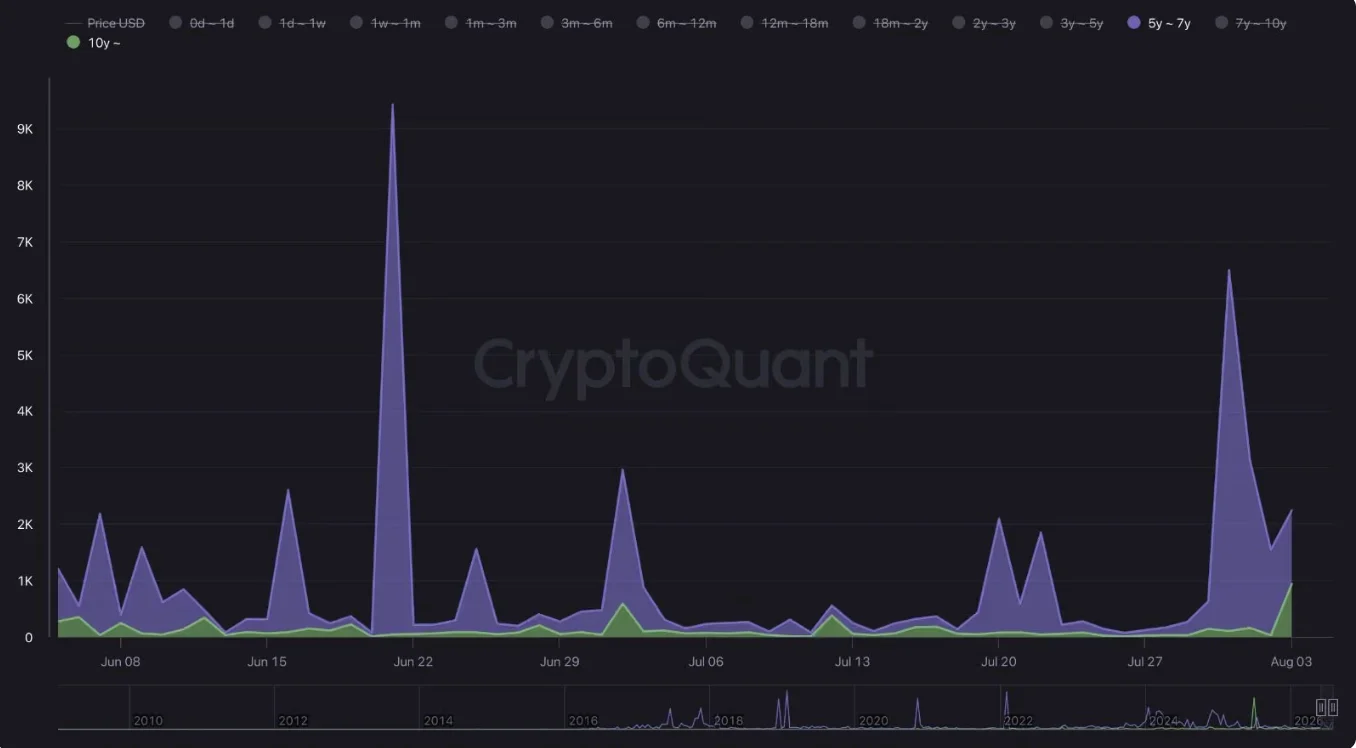
- •On-chain data reveals broader movement of older coins, including 935 BTC held for at least ten years transferred on August 3 and 6,388 BTC held between five and seven years moved on July 31.
- •Bitcoin has historically struggled in August, closing lower in nine of the past thirteen years with a median monthly return of negative 6.99 percent.
- •Analysts have observed that Japanese yen intervention operations have coincided temporally with major Bitcoin drawdowns of 35.43 percent and 26.28 percent this year, though correlation alone does not establish causation.
A Bitcoin wallet dormant since 2013 transferred 500 BTC — valued at approximately $31.3 million — as a security vulnerability in Coldcard hardware wallets continued to fuel concern across the cryptocurrency community. The movement of long-inactive coins, combined with a historically weak August for Bitcoin and renewed Japanese yen intervention pressure, has created an uncertain near-term outlook for the largest cryptocurrency by market capitalization.
Dormant Wallet Moves During Coldcard Security Crisis
The wallet identified as 18TExP transferred its entire 500 BTC balance after more than 12 years of inactivity. Whale Alert flagged the transaction, while on-chain analytics platform Lookonchain suggested the owner may have relocated the funds as a precautionary security measure.
When the coins last moved in 2013, they were worth roughly $500,000 — a figure that underscores Bitcoin's price appreciation over the intervening 12 years. The transfer, however, did not constitute a confirmed sale. Dormant wallet reactivations of this vintage are closely watched by traders because they can signal intent to sell from early adopters holding large, low-cost-basis positions, though recipients frequently move coins to new self-custody addresses rather than to exchange deposit wallets.
The timing coincided with an ongoing security breach tied to Coldcard wallets. Coldcard, manufactured by Toronto-based CoinKite, is a widely used air-gapped hardware wallet designed for Bitcoin-only storage; the vulnerability affected wallets generated using a specific firmware path dating to March 2021. Since July 30, attackers have exploited the flaw, which allowed private key extraction under certain conditions. Researchers at Galaxy estimated that approximately $130 million in Bitcoin has been drained from affected wallets. The incident ranks among the largest hardware-wallet-related losses on record and has drawn comparisons to earlier industry security failures that prompted sweeping changes in self-custody practices.
CryptoQuant data revealed a broader uptick in the movement of older coins. On August 3, approximately 935 BTC that had been held for at least 10 years were transferred. An additional 6,388 BTC held for five to seven years moved on July 31.
Bitcoin Faces Historically Weak August
Bitcoin has historically struggled during August. According to Coinglass data, the month has closed lower in nine of the past 13 completed years, including four consecutive negative finishes from 2022 through 2025.
The average August return stands near 1.15%, while the median return is negative 6.99%.
In 2026, Bitcoin has delivered mixed monthly performance. The asset declined in January, February, and June before posting a 7.36% gain in July. At the time of reporting, August was up 1.54%.
Seasonal patterns cannot predict future price movements, though traders frequently reference historical monthly returns as one of several tools for assessing risk during periods of fragile market confidence.
Yen Intervention Adds Macro Risk
Market participants are also monitoring the Japanese yen, as a widely circulated chart connected major Bitcoin declines this year to sharp moves in the USD/JPY pair. The analysis suggested that Japan's yen-supportive interventions occurred near two significant Bitcoin drawdowns of 35.43% and 26.28%, though correlation alone does not establish causation.
Japan's Ministry of Finance and Bank of Japan periodically intervene in currency markets by buying yen and selling dollars to counteract excessive depreciation that raises import costs for the resource-dependent economy. These operations can drain global dollar liquidity as Japanese institutions and international funds adjust positions, a dynamic that has at times coincided with selloffs across risk assets including equities and cryptocurrencies.
WARNING TO $BTC HOLDERS: 🚨 Every major Bitcoin crash this year lined up with Japan defending the yen. This time, the US and Japan intervened TOGETHER for the first time in nearly 30 years. If this continues, you already know what's coming… pic.twitter.com/7FyWJUDbCC — Crypto Rover (@cryptorover) August 3, 2026
Currency intervention can reduce market liquidity and place downward pressure on risk assets. Bitcoin may be affected when investors unwind leveraged positions or rotate into safer holdings. However, overlapping timing alone does not confirm that yen intervention directly caused each Bitcoin decline.
Security Concerns Shape Near-Term Outlook
The Coldcard crisis has intensified scrutiny of wallet security practices. Some holders appear to be migrating older coins to new addresses or alternative storage solutions. Hardware wallet manufacturers across the industry have historically responded to major incidents by accelerating firmware audits and revisiting secure-element supply chains, and Coldcard users awaiting remediation are weighing options including migrating to wallets generated outside the affected timeframe.
Exchange inflows rose following reports of the breach — a trend that can signal potential selling but may equally reflect routine account transfers or custody adjustments.
Bitcoin's price now faces three concurrent pressures: security anxieties stemming from the Coldcard flaw, a historically unfavorable August track record, and macro-level risk from yen intervention. Traders are monitoring dormant-wallet activity, exchange flow data, and USD/JPY fluctuations for further signals.

