Trump Justice Department Withdraws Subpoenas Targeting New York Times Reporters Over Qatari Jet Story
Key Takeaways
- •The DOJ withdrew subpoenas targeting three New York Times reporters who disclosed security concerns about a $400 million Qatari jet proposed for use as Air Force One.
- •Judge Arun Subramanian indicated he would have struck down the subpoenas because federal rules require subpoenas against journalists to be used only as a last resort.
- •The DOJ's attempt to compel reporters to reveal confidential sources drew criticism for potentially violating the department's own press freedom guidelines.
- •Current DOJ policy requires the attorney general to personally authorize any subpoena issued to a member of the news media, a safeguard strengthened in 2015 under Attorney General Eric Holder.
- •The case reflects broader tensions between the Trump administration and news organizations whose coverage the administration has sought to challenge.
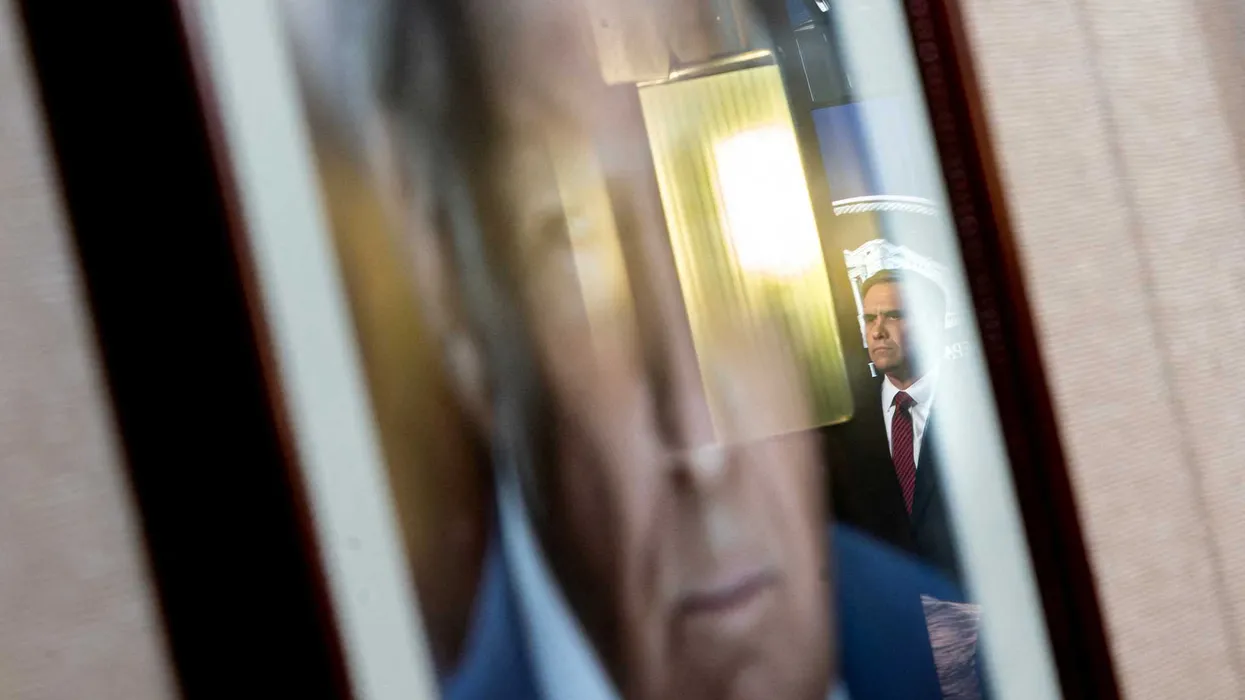
Federal prosecutors in President Donald Trump's Justice Department have withdrawn a controversial set of subpoenas issued against New York Times reporters, according to a report by the Associated Press.
The subpoenas had been directed at three New York Times journalists who broke a story revealing security problems associated with the Qatari jet intended for use as the president's new Air Force One. The jet, a Boeing 747-8 valued at roughly $400 million, was offered as a gift by the Qatari government to replace the aging current Air Force One fleet, a proposal that itself drew significant scrutiny over potential security and constitutional concerns. The disclosure of reporting on security problems triggered an intensive effort within the DOJ to identify the source of the leak, with investigators attempting to compel the reporters themselves to reveal their confidential sources — a tactic that critics argued likely violated the DOJ's own press freedom guidelines.
According to the Associated Press, the withdrawals "followed a remarkable back and forth between a visibly irritated Judge Arun Subramanian and government attorneys. They come at a time when the Trump administration is vigorously going after news organizations whose reporting and coverage it doesn't like — and also trying to crack down on leaks inside the government."
During the court proceedings, Judge Subramanian indicated he "otherwise would have granted the newspaper's request to reject the subpoenas because laws and regulations pertaining to subpoenas served on journalists maintain that they should be issued as a last resort in an investigation." That stance effectively compelled the DOJ to withdraw the subpoenas before a formal ruling could be issued.
The episode underscores the broader tensions between the current administration and the press. Under longstanding DOJ policy, subpoenas directed at members of the media are supposed to be used only as a final measure, after all alternative investigative avenues have been exhausted. That framework was significantly tightened in 2015 under then-Attorney General Eric Holder after the Obama DOJ faced heavy backlash for secretly obtaining phone records of Associated Press journalists and the emails of a Fox News reporter — controversies that led to the current requirement that the attorney general personally authorize any subpoena for a member of the news media. The Trump DOJ's decision to deploy such subpoenas against working reporters therefore tested safeguards designed precisely to prevent the kind of press-credential confrontation that unfolded in Judge Subramanian's courtroom.
Sources: Associated Press, Raw Story

