Justice Department Grants Rubio Final Authority Over Diplomat Appeals
Key Takeaways
- •The Justice Department guidance places final appeal authority in disciplinary and dismissal cases for diplomats and Foreign Service employees with Secretary of State Marco Rubio.
- •The Foreign Service is governed by a 1980 law that established grievance procedures for officers to challenge dismissals and discipline.
- •The guidance comes during a wider State Department restructuring led by Rubio since 2025, which has reduced staffing and consolidated bureaus.
- •Prediction markets are treating the move as a possible sign of a more decisive U.S. diplomatic posture, including for U.S.-Iran talks.
- •Future State Department or White House announcements on U.S.-Iran meetings, as well as how the new appeal authority is used in personnel cases, are key developments to watch.
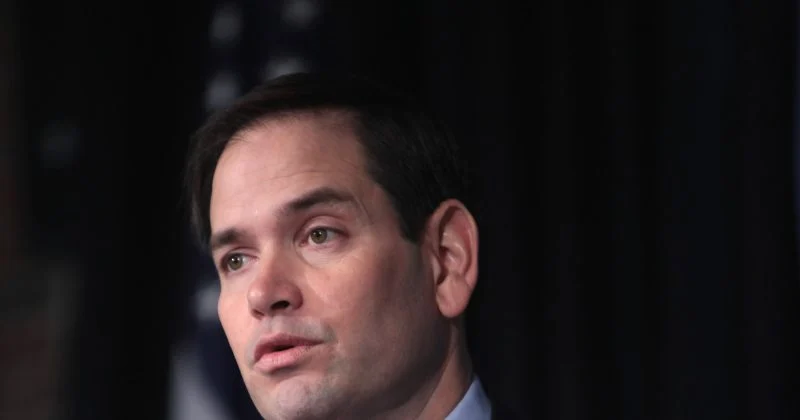
The U.S. Department of Justice has issued guidance granting Secretary of State Marco Rubio ultimate authority over appeals concerning the firings or discipline of diplomats and Foreign Service employees.
Centralized Authority at State
The move suggests a shift toward more centralized control over the State Department's internal affairs, with potential implications for how the United States conducts its diplomacy. The department manages U.S. relations with foreign governments and oversees the Foreign Service, the corps of diplomats and specialists posted at American embassies and consulates around the world. Rubio, a former U.S. senator from Florida, serves as the nation's top diplomat and the president's principal adviser on foreign affairs.
The change touches a personnel system built around formal safeguards. The Foreign Service Act of 1980 established the modern framework for the career diplomatic corps, including grievance procedures through which officers can contest dismissals and disciplinary actions, and the American Foreign Service Association — the union and professional association representing Foreign Service employees — has long advocated for members in such disputes. The guidance also arrives amid a broader reorganization of the State Department that Rubio has led since 2025, an overhaul that has consolidated bureaus and reduced staffing.
Markets Focus on U.S.-Iran Talks
Markets appear to interpret the development as a signal of a more streamlined and decisive diplomatic approach, one that could affect ongoing international negotiations, including U.S.-Iran relations.
Prediction markets, platforms where traders take positions on the outcomes of real-world events and where prices shift with collective expectations, have become a widely watched barometer for geopolitical questions. Platforms such as Kalshi and Polymarket have become among the most widely used venues for such contracts. Market pricing suggests the Justice Department's guidance could influence the likelihood of U.S.-Iran diplomatic engagements, aligning with a more proactive U.S. stance. Current market odds for U.S.-Iran diplomatic meeting attendance by December 31, 2026, show varied expectations, with some fluctuation in odds percentages.
What to Watch
Observers should monitor any announcements from the State Department or the White House regarding U.S.-Iran talks, as these could be consistent with a more active diplomatic engagement. Any confirmation of meetings, especially those involving high-level officials such as Rubio or Steve Witkoff — who has served as a U.S. special envoy in diplomatic negotiations — may affect market perceptions. Conversely, any setbacks or denials from involved parties could influence pricing toward a NO outcome. Beyond Iran policy, how the new appeal authority is applied in pending and future personnel cases — and how affected employees or their representatives respond — will show how the guidance operates in practice.

