Federal Prosecutors Probe Binance Over Iran's Bitcoin Use: Report
Key Takeaways
- •Federal prosecutors, including the DOJ, are examining whether Binance, operator of the world's largest cryptocurrency exchange, knowingly allowed Iran-linked entities to trade on its platform in violation of U.S. sanctions.
- •The investigation follows the DOJ's announcement that it is seizing and seeking to forfeit $61 million in cryptocurrency allegedly derived from black-market sales of sanctioned Iranian oil and laundered through Binance by Chinese entities.
- •The U.S. began targeting crypto wallets linked to the Iranian regime in April, and Treasury Secretary Scott Bessent said the regime's frozen crypto holdings were mostly in Tether's USDT stablecoin.
- •Last week, the Treasury Department designated the Iranian exchange BitBank as part of Operation Economic Outcast, the Trump Administration's whole-of-government economic campaign against Iran and its enablers.
- •Binance previously exited the U.S. market and agreed to pay $4.3 billion after founder Changpeng Zhao pleaded guilty to anti-money laundering violations, though he was later pardoned by President Trump.
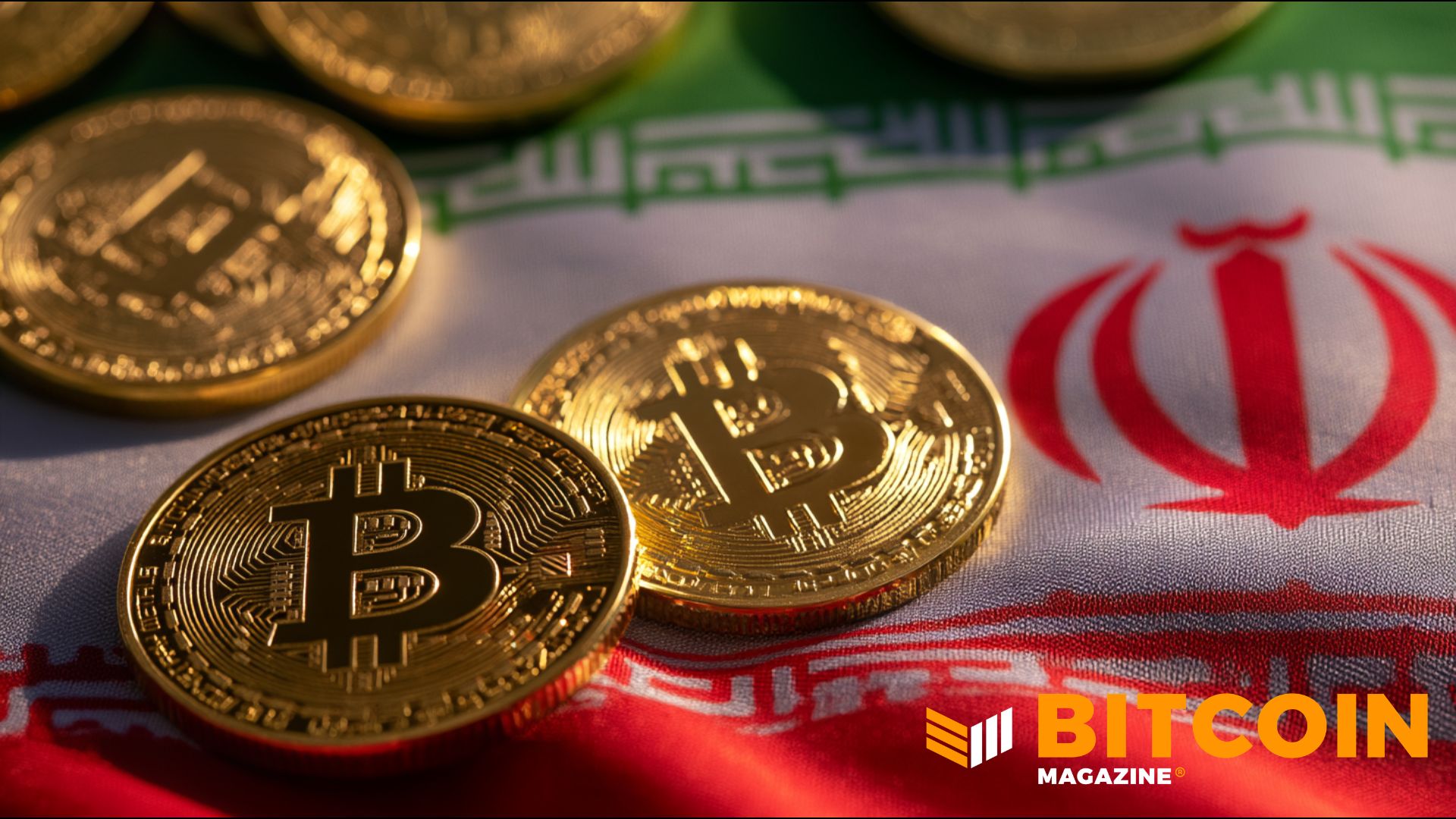
Federal prosecutors, including the U.S. Department of Justice, are investigating whether Binance allowed Iran to evade sanctions by using its platform, according to a report from Bloomberg.
Citing people familiar with the matter, the outlet reported on Tuesday that federal authorities are examining whether Binance Holdings Ltd., which operates the world's largest cryptocurrency exchange, knowingly allowed Iran-linked entities to trade.
The probe follows last week's announcement from the U.S. Department of Justice that it is seizing and seeking to forfeit $61 million in cryptocurrency that it alleges came from black-market sales of sanctioned Iranian oil. According to the DOJ, those funds were laundered through Binance by Chinese entities. Taken together, the actions show Washington pressing on two fronts: a forfeiture case still moving through the courts over alleged Iranian oil proceeds, and an examination of the exchange it alleges was used to move them.
Iran has been using bitcoin and other cryptocurrencies to skirt U.S. sanctions. In April, the U.S. began targeting crypto wallets linked to the Iranian regime, Treasury Secretary Scott Bessent said in a statement. Bessent added that the regime's crypto had been frozen — mostly in the form of Tether's USDT stablecoin.
Last week, the Treasury Department also designated BitBank, an Iranian crypto exchange, as part of Operation Economic Outcast, the Trump Administration's whole-of-government economic campaign against the Islamic Republic of Iran and its enablers.
Earlier this year, Iran launched a bitcoin-backed insurance service for the country's shipping companies. Unlike many other cryptocurrencies, bitcoin cannot be frozen. The Financial Times reported this month that the Middle Eastern country has been using bitcoin to settle cross-border transactions through Iranian crypto exchanges — channels that operate outside the traditional banking system where sanctions are enforced — after the central bank advised its citizens to do anything necessary to help the economy.
Binance, which has no headquarters but is incorporated in the Cayman Islands, previously ran into trouble with U.S. authorities after it allegedly allowed funds linked to virtual theft and terrorism to flow through its exchange undetected. The company exited the U.S. market and agreed to pay $4.3 billion. Its founder and CEO, Changpeng Zhao, stepped down after pleading guilty to anti-money laundering violations, but was later pardoned by President Trump. The earlier case turned on funds allegedly slipping through undetected; the reported probe raises a different question — whether specific Iran-linked trading was knowingly permitted.
This article originally appeared on Bitcoin Magazine and was written by Mathew Di Salvo.

