US Widens Iran-Linked Hacking Case to 17 Defendants, Adding HBO's $6 Million Bitcoin Ransom Plot
Key Takeaways
- •Prosecutors in Manhattan unsealed a second superseding indictment charging 17 alleged members of Iran-based Mabna Institute on August 18, 2026.
- •The case alleges theft of at least 31.5 terabytes of academic data from 144 U.S. universities and 178 foreign universities.
- •The expanded filing includes the HBO intrusion and says Behzad Mesri sought about $6 million in Bitcoin after the 2017 breach.
- •Nine of the 17 defendants had already been charged in 2018, and the Treasury Department also sanctioned the Mabna Institute and its members.
- •The State Department is offering rewards of up to $10 million for information leading to five of the defendants.
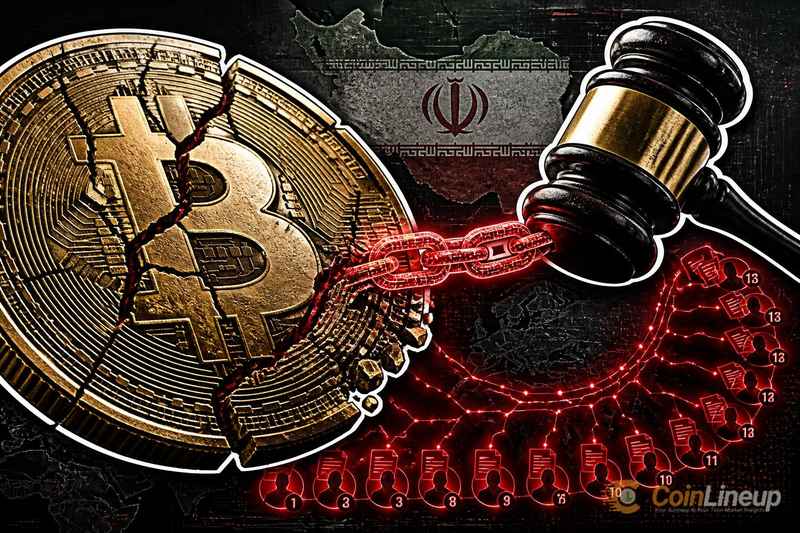
The U.S. Justice Department has expanded a long-running Iran-linked hacking case to 17 defendants, adding the 2017 HBO breach and its roughly $6 million Bitcoin ransom demand to a prosecution that ties a Hollywood extortion plot to a much broader state-linked cyber campaign.
On August 18, 2026, prosecutors in Manhattan unsealed a 14-count second superseding indictment charging 17 members of the Iran-based Mabna Institute, the Justice Department said. A superseding indictment simply means prosecutors replaced an earlier charging document with an updated one.
Nine of the 17 defendants were already charged in 2018 in connection with what the Justice Department described as a massive cyber theft campaign conducted on behalf of the Islamic Revolutionary Guard Corps. When those charges were announced, the Treasury Department simultaneously sanctioned the Mabna Institute and its members, pairing criminal charges with financial penalties — an approach U.S. authorities have repeatedly used against foreign hackers they cannot arrest. The new filing adds eight fresh defendants and folds several older cases into one broader effort.
What the new indictment adds
Prosecutors say the defendants carried out many of the intrusions on behalf of Iran's Islamic Revolutionary Guard Corps and other Iranian government or university clients. In plain terms, the government alleges these were hackers working for the state, not lone criminals.
The scale of the alleged theft is large. The filing describes the theft of at least 31.5 terabytes of academic data from 144 U.S. universities and 178 foreign universities, according to the summary of the updated indictment. Related private-sector and government hacks caused victim remediation costs in excess of $20 million. The academic targets reflect how prosecutors framed the campaign from the start: harvesting university research and credentials for Iranian institutions, rather than stealing funds outright.
How HBO's $6 million Bitcoin ransom plot fits in
The headline crypto angle comes from HBO. The 2026 release says the expanded Mabna case now includes the HBO intrusion and alleges that Behzad Mesri tried to extort the network for about $6 million worth of Bitcoin.
HBO is not a new hack in the filing. Mesri was first charged separately in 2017, and the new indictment pulls that older case into the wider Mabna campaign rather than treating it as a fresh breach. That 2017 filing alleged Mesri leaked unaired episodes and scripts, including "Game of Thrones" material, after the network did not pay, and prosecutors said at the time that he had previously conducted computer intrusions on behalf of the Iranian military, including against nuclear software systems — a detail that connected the Hollywood extortion to state-linked hacking long before the consolidated indictment made the tie explicit.
The ransom demand also escalated. The 2017 record shows the demand started at $5.5 million in Bitcoin on July 23, 2017, then rose to the $6 million figure on July 26, 2017 — a three-day escalation that much of the coverage of the expanded case has not mentioned.
Crypto market context
The key distinction: Bitcoin was the demanded payment method, not the thing that got hacked. The Bitcoin network itself was never breached, so the case describes no security flaw for holders to worry about. Extortionists have repeatedly demanded Bitcoin in high-profile cases precisely because it can be sent anywhere without an intermediary, and this case is an early, prominent example of that pattern.
Markets showed no negative reaction to the indictment. Bitcoin traded near $77,410, up about 6.53% over 24 hours. Broader sentiment was also upbeat, with the Fear & Greed Index at 72, in "Greed" territory — a reading driven far more by macro factors than by any single legal headline. Recent price moves, including a Binance-fueled short squeeze and shifting Federal Reserve inflation signals, have mattered more to price than this case.
The charges are criminal allegations, not proven convictions, and the case does not touch how the Bitcoin network runs. For holders, standard security practices such as keeping hardware wallet firmware updated matter far more than a courtroom filing.
What to watch next
The State Department's Rewards for Justice program is offering up to $10 million for information leading to five of the defendants, so the realistic next developments are on the legal track rather than the charts: future arrests, extradition steps, or further DOJ updates. That context matters because Iran has no extradition treaty with the United States, and the nine defendants charged in 2018 have remained at large — which is why sanctions and rewards have historically done much of the practical enforcement work in cases like this one.
Disclaimer: This article is for informational purposes only and does not constitute financial or investment advice. Cryptocurrency and digital asset markets carry significant risk. Always do your own research before making decisions.

