DOJ Silent on Epstein Records Deadline as New Mexico Attorney General Weighs Lawsuit
Key Takeaways
- •New Mexico Attorney General Raúl Torrez set a July 31 deadline for the DOJ and the Southern District of New York to hand over all records related to abuse at Epstein's Zorro Ranch, and the DOJ has not confirmed compliance.
- •No federal search of Zorro Ranch has ever been confirmed, unlike Epstein's properties in Palm Beach, New York City, and the U.S. Virgin Islands, which all received federal scrutiny.
- •The New Mexico state House voted unanimously in February to create a Truth Commission to investigate crimes at the ranch and possible official complicity in covering them up.
- •Torrez warned Acting Attorney General Todd Blanche in a July 14 letter that he would pursue all available legal remedies, including a potential lawsuit, if the records were not produced by the deadline.
- •A state lawsuit against federal agencies over document production would be highly unusual, as state attorneys general typically rely on voluntary cooperation or FOIA requests to obtain federal records.
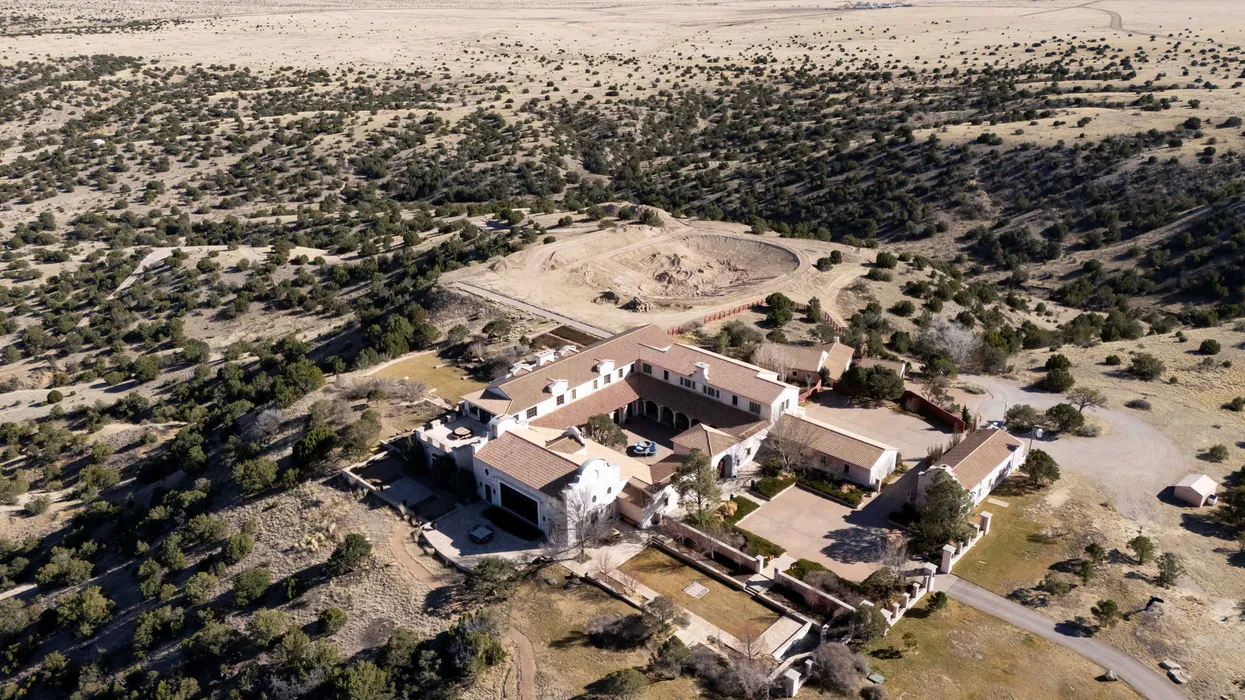
The U.S. Department of Justice has declined to confirm whether it met a July 31 deadline to hand over records related to Jeffrey Epstein's Zorro Ranch property in New Mexico, The Guardian reported on Saturday.
New Mexico Attorney General Raúl Torrez had set the deadline for DOJ prosecutors and the U.S. Attorney's Office for the Southern District of New York, which brought federal sex trafficking and conspiracy charges against Epstein in July 2019. That prosecution came more than a decade after a 2008 non-prosecution agreement with the U.S. Attorney's Office in Southern Florida allowed Epstein to plead guilty to state charges while avoiding federal prosecution—a deal later ruled unlawful by a federal judge for violating victims' rights. Torrez sought access to all documents the agencies possessed pertaining to abuse at the ranch.
Jeffrey Epstein, a convicted sex offender who died in federal custody in August 2019 while awaiting trial, owned multiple properties across the United States and the Caribbean. Zorro Ranch, his sprawling estate in New Mexico, is mentioned thousands of times in the Epstein files, accompanied by numerous photographs of men and young girls who stayed there, according to The Guardian.
Allegations and State Response
Epstein survivors have reported abuse at the ranch that was never brought to the attention of state or federal authorities, New Mexico state representatives have said. Additional information surfaced after a tipster broke into the property and turned over evidence to Democratic state lawmakers.
In February, the New Mexico state House of Representatives voted unanimously to establish a Truth Commission tasked with investigating issues at the property as well as potential official complicity in covering up crimes committed there. The commission reflects an uncommon investigative mechanism at the U.S. state level, more frequently associated with post-conflict transitions abroad, underscoring the unusual gravity state lawmakers attach to the unanswered questions surrounding the New Mexico property.
Contrast With Other Epstein Properties
Notably, The Guardian observed that no federal search of Zorro Ranch has ever been confirmed to have taken place. This stands in contrast to Epstein's other known properties in Palm Beach, Florida; New York City; and the U.S. Virgin Islands, all of which were subject to federal scrutiny. The gap has drawn particular attention as years of civil litigation, victim lawsuits, and court-ordered document unsealings have progressively expanded the public record of Epstein's network and operations.
Torrez's Ultimatum
In a July 14 letter to Acting Attorney General Todd Blanche, Torrez warned that he would "pursue all available legal remedies without further notice" if the DOJ failed to meet the July 31 deadline to produce the requested records. A state lawsuit against federal agencies over document production would be unusual, as state attorneys general typically rely on voluntary federal cooperation or Freedom of Information Act requests to obtain federal records.
The same week, Torrez reiterated his stance in an interview, stating: "I'm not taking anything off the table. I'm not ruling out a lawsuit."

