Misread Email Subject Line Accidentally Halts Trump DOJ's Cooperation With Canada
Key Takeaways
- •Lynda Marshall, chief of the DOJ antitrust division's international section, mistakenly halted cooperation with Canada after misreading instructions to reschedule a meeting.
- •The erroneous email ordered officials to stop case cooperation and disengage from policy work with Canadian authorities, without providing a reason.
- •Later the same day, Marshall corrected the mistake, and the DOJ division has since resumed working with Canada.
- •The incident occurred amid ongoing U.S.-Canada tensions following the breakdown of trade talks and mutual tariff imposition.
- •U.S. and Canadian antitrust authorities have long-standing cooperation agreements and have jointly investigated cases including auto parts and air cargo price-fixing and mergers in tech and aerospace.
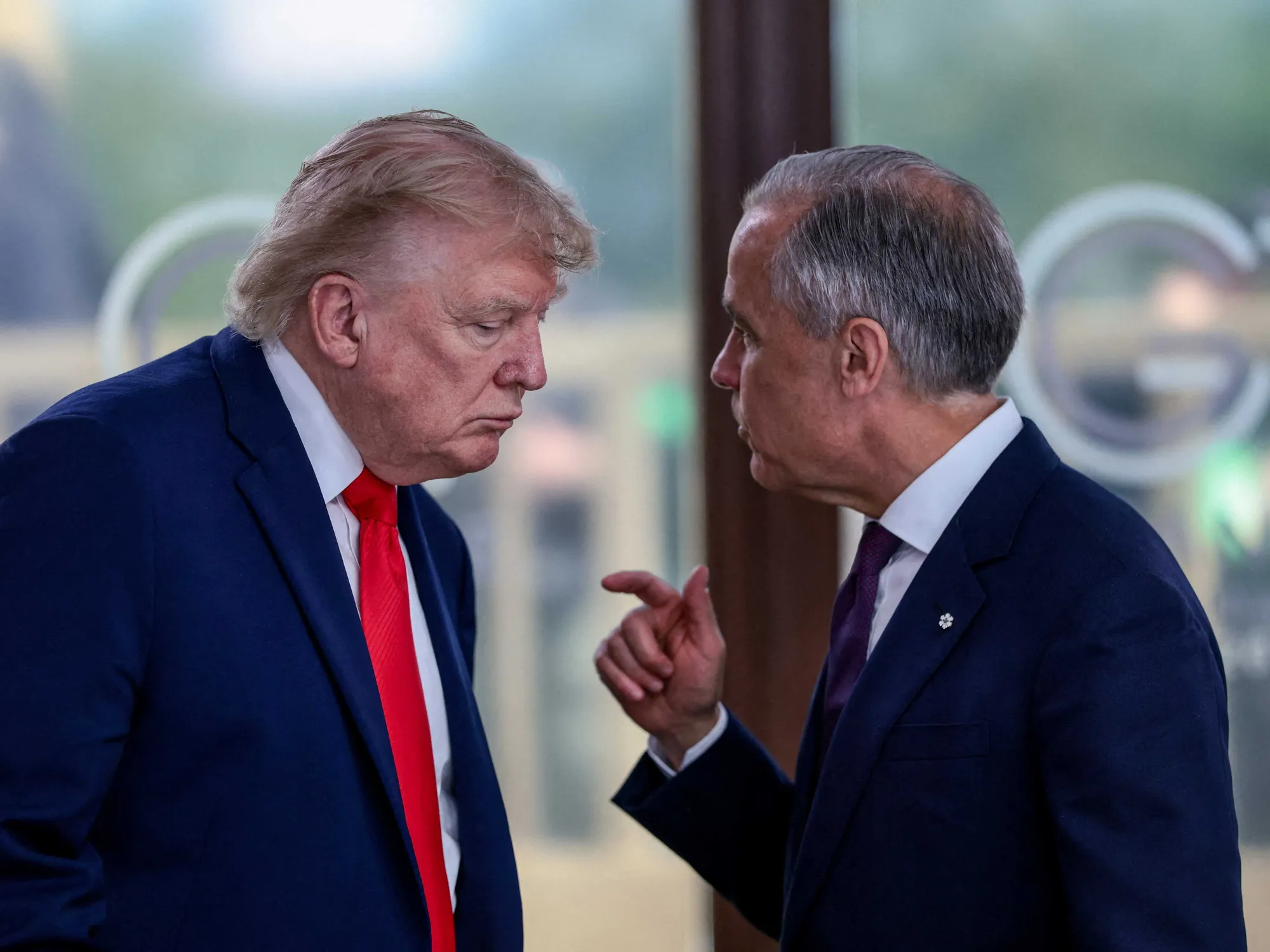
A misinterpreted email subject line briefly froze cooperation between the U.S. Justice Department and the Canadian government, after a division chief misunderstood instructions to reschedule a meeting, The Wall Street Journal reported.
According to a Friday article in The Journal, the DOJ's antitrust division was instructed to halt all work with the Canadian government following an email sent with the subject line "Pause on Canada." The message came from Lynda Marshall, chief of the antitrust division's international section, who had been told to reschedule a meeting.
The email ordered DOJ officials in the division to stop all cooperation on cases and disengage on policy issues with Canadian authorities, according to The Journal. Marshall offered no reasoning in the email for why the division had to stop working with Canada, but wrote that she would "circle back if the guidance changes."
A follow-up email was sent Friday to section chiefs within the division, demanding lists detailing areas of cooperation with Canada by the end of the day, The Journal reported. Later that same day, Marshall sent another email telling division staff she had been mistaken and that cooperation with Canada could continue.
Justice Department spokeswoman Emily Covington told The Journal that the directive to stop cooperation stemmed from Marshall's misunderstanding of a directive. Covington explained that Marshall had been told to push back a scheduled meeting.
The mix-up came as the Trump administration and Canada remain in a dispute after trade talks broke down last month, with both the U.S. and Canada imposing tariffs on each other. The episode illustrates how even a brief internal miscommunication can ripple into cross-border enforcement, where antitrust agencies routinely share confidential information and coordinate the timing of investigations.
According to The Journal, the DOJ division has since resumed working with Canada. Representatives from Canada or its Competition Bureau did not respond to The Journal's request for comment.
The Journal noted that Canadian and U.S. antitrust authorities maintain multiple agreements to increase cooperation and have collaborated on major investigations since the 2000s. The two countries have worked together on investigations into price-fixing in the auto parts and air cargo industries, as well as on cases involving mergers in tech, aerospace, and other industries.
