Federal Claims About 20,000 'Likely Noncitizens' on California Mail Ballots Echo Collapsed Nevada List
Key Takeaways
- •The Justice Department alleges that 20,000 California mail-ballot recipients are 'likely noncitizens' and is asking a court to force the state to segregate those ballots until citizenship is verified.
- •In a parallel Nevada effort, federal claims about as many as 15,903 potential noncitizens on voter rolls shrank to 185 names, and state officials determined that every one was a U.S. citizen.
- •California officials say the federal government has neither explained the basis for its suspicion nor supplied enough identifying information to verify the flagged list against state records.
- •Attorney General Todd Blanche has accused California of refusing to comply with federal law, while parties in the case have asked a judge to block the federal government's demand.
- •Essayli's claims have not been independently verified, and the dispute now hinges on the court's ruling and whether federal authorities provide the information needed for state-record checks.
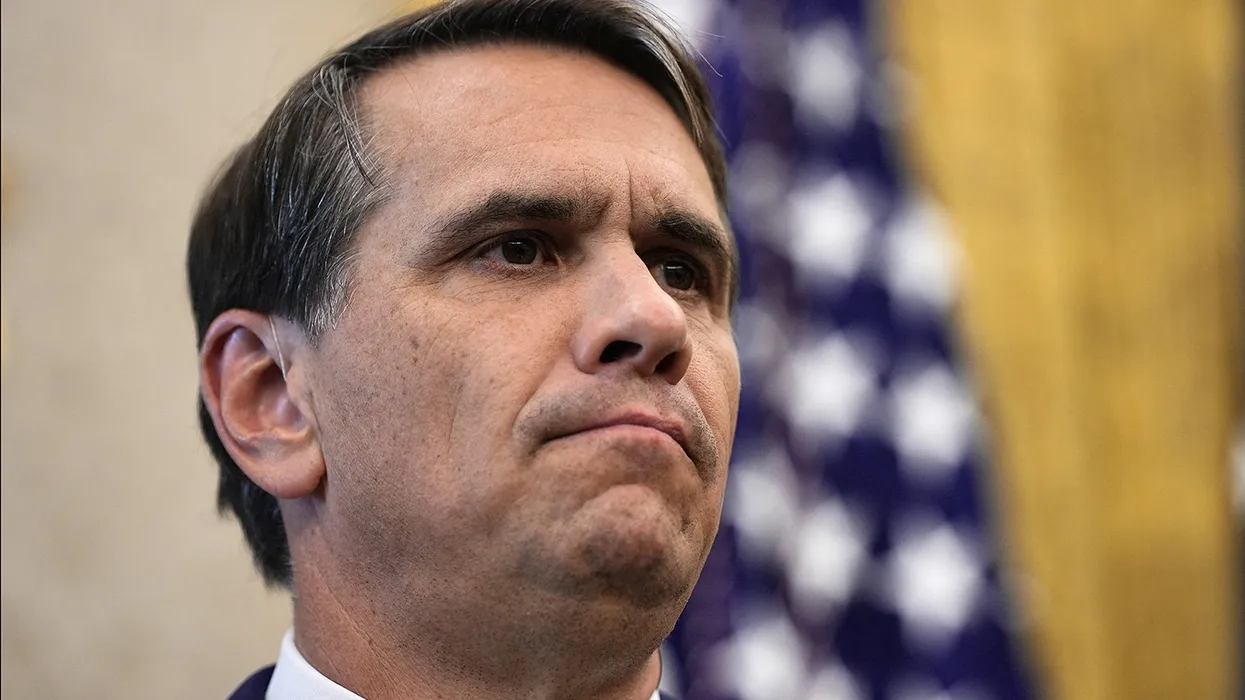
Bill Essayli, President Donald Trump's first assistant U.S. attorney, is facing renewed scrutiny over federal claims that thousands of California mail-ballot recipients are "likely noncitizens" — allegations that closely mirror an earlier effort in Nevada that collapsed after state officials confirmed every flagged voter was a U.S. citizen.
National security expert Marcy Wheeler flagged the dispute in a post on X, pointing to a tweet from Essayli detailing the Justice Department's case against California and Los Angeles County. According to the federal government, 20,000 of the people who received ballots in the state were "likely noncitizens."
The administration has made similar claims before. In Nevada, it relied on the same system to assert that as many as 15,903 noncitizens might be on the state's voter rolls. When state officials demanded evidence, the Department of Homeland Security whittled the list down to 185 names it said it had "manually" verified as noncitizens. Nevada officials then checked all 185 names against state records and concluded that every one belonged to a U.S. citizen — a sequence that shows how such federal citizenship flags have unraveled once tested against state voter records.
In a letter to DHS, Deputy Attorney General Greg Ott wrote: "As for the 185 individuals, our records indicate that they were citizens," adding that the federal government had "provided nothing of substance to suggest otherwise."
California now faces the same allegations, and parties in the case have asked a judge to block the federal government's demand. The Justice Department argues that California must segregate the flagged ballots until recipients' citizenship status can be verified, and Attorney General Todd Blanche has accused the state of refusing to comply with federal law. Because the ballots have already been mailed, the dispute effectively turns on whether a court will require the flagged group's ballots to be segregated pending verification — the remedy the federal government is seeking — or whether the state proceeds while the list remains unverified. The dispute was reported by The New York Times.
On X, Essayli wrote:
"Make no mistake: California has no interest in protecting the integrity of its elections. We presented the evidence. Their answers: 'It's not widespread fraud.' 'It's too late we already mailed the ballots.' 'It's already illegal to vote illegally.' 'We can't trust your evidence.' A law that isn't enforced is meaningless. Today we are asking a court to require California to follow the law and not count ballots cast by noncitizens."
Wheeler, writing under her @emptywheel handle, said Essayli was "outright lying here," calling the data "the same untested garbage that has been shown to be fraudulent in other states," and adding: "He is confessing to a conspiracy to deprive naturalized citizens, like Harmeet Dhillon, of their right to vote."
Essayli's claims have not been independently verified, and the system behind them resembles the one that failed in Nevada. The lawsuit itself describes the flagged individuals as "likely noncitizens" — not confirmed noncitizens — and California officials say the federal government has neither explained the basis for its suspicion nor provided enough identifying information to verify the list. Attention now turns to how the judge rules on the request to block the demand, and to whether the federal government supplies the identifying information California says it would need to run the kind of state-record checks that undid the Nevada list.

