Memecoin Culture Puts DOGE, SHIB, PEPE, BONK and FLOKI in Focus
Key Takeaways
- •Dogecoin, created in 2013 as a lighthearted cryptocurrency tied to the Shiba Inu dog, is recognized as the original memecoin and a benchmark for later projects.
- •Shiba Inu, which launched in 2020, moved beyond its meme origins by building a broader ecosystem that gave it a wider market presence.
- •PEPE draws on the frog character from Matt Furie's "Boy's Club," illustrating how online attention can translate into substantial market value.
- •BONK emerged in the Solana ecosystem at the end of 2022 and is associated with a blockchain community rather than just an internet character.
- •Terrarmy cautions that community, attention, and timing do not guarantee returns, since many memecoins fail as market sentiment shifts.
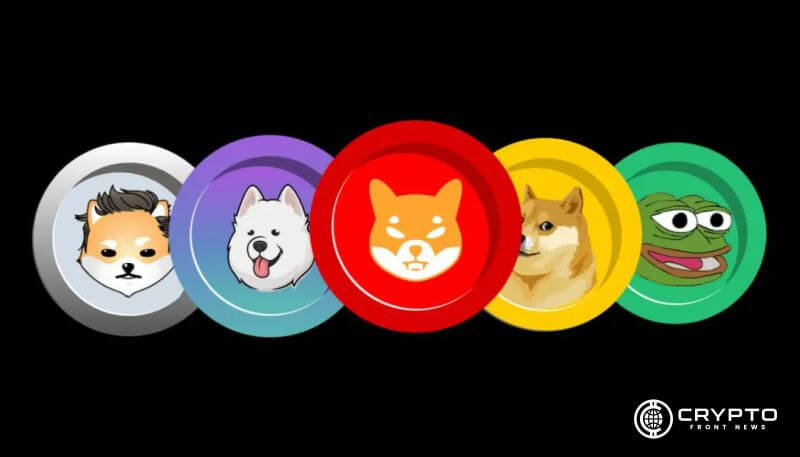
Dogecoin secured an early place in memecoin history, while Shiba Inu built a broader ecosystem around its original meme. PEPE draws on internet humor, BONK is tied to Solana, and FLOKI has added products and utility. Community, attention, and timing shaped these projects, although the X account Terrarmy cautions that past success cannot guarantee future returns.
DOGE, SHIB, PEPE, BONK, and FLOKI have each carved out a niche within the broader cryptocurrency space, and together they trace more than a decade of memecoin history. In a post on X, Terrarmy examines five well-known tokens that constructed both cultures and hype.
DOGE and SHIB Built Strong Recognition
Dogecoin is the original memecoin name, and Shiba Inu is a project that evolved into an ecosystem, the account states. It frames both histories as shaped by the same factors: community, attention, and timing.
Dogecoin, created in 2013 as a lighthearted cryptocurrency, became famous as the token associated with the Shiba Inu dog and earned its place in the crypto market, serving as a benchmark for the meme-coin ventures that followed. Its community is central to its public image.
Shiba Inu arrived in 2020 and started with a meme but had larger plans from the outset. Its ecosystem gave the project a wider presence than a token built solely around a joke, an expansion Terrarmy cites as part of SHIB's story.
The two projects demonstrate different ways a memecoin can build recognition: DOGE is connected to the early development of the category, while SHIB is tied to ecosystem development. Their histories do not ensure that either token will outperform competitors in the future.
PEPE, BONK and FLOKI Take Different Routes
PEPE draws on internet culture through its recognizable frog character, which originated in cartoonist Matt Furie's "Boy's Club" before becoming one of the internet's most widely shared memes. Terrarmy points to its market history as an example of online attention translating into substantial value, a connection that also shows how quickly sentiment can become decisive for a meme-driven token.
BONK has become a notable name within the Solana ecosystem after emerging there at the end of 2022. It is associated not only with an internet character but with a blockchain community, an association that sets it apart from tokens based on other networks and audiences.
FLOKI, named after Elon Musk's dog, has pursued products and utility beyond its original meme branding, aiming to give its community more to follow than online jokes alone. Its longer-term position will depend on the development of those initiatives and the number of users they attract.
These projects have different histories and strategies. PEPE is heavily inspired by internet culture, BONK has a tie to Solana, and FLOKI focuses on utility. Their divergent paths illustrate the range of identities within the memecoin market.
Community and Timing Shape the Competition
Terrarmy's central point is that attention, community, and timing have shaped successful memecoin stories. A token can reach a broader audience by spreading online, and an active community can keep it visible. Neither is a sure sign of sustained interest or continuing market demand.
Timing also plays a role. A project can gain recognition during periods of heightened interest in speculative assets, but traders may shift their focus to other tokens as market sentiment changes and move away from their initial favorites. The span from Dogecoin's 2013 debut to these later arrivals shows that meme-driven tokens have reappeared across different market periods rather than fading after a single wave of interest.
An accompanying illustration brings DOGE, SHIB, PEPE, BONK and FLOKI together on a planetary backdrop, with green chart bars behind the token symbols to suggest rising markets. The artwork does not imply future price movements; it depicts the projects as competitors.
Terrarmy poses the question of which meme coin will remain the best ever. The answer depends on which value matters most: cultural recognition, longevity, ecosystem growth, or market value. The five projects offer different examples, and the post does not declare a winner.
The account also cautions that returns cannot be guaranteed and that many memecoins fail. That warning sits at the heart of the comparison, because as the market's attention turns elsewhere, visibility follows. Community history can help define a project, but it does not eliminate the risks that come with speculative tokens. For readers following the category, the concrete signals to watch are the ones the post already identifies as decisive: whether each community stays active, whether FLOKI's utility products attract users, and how long each token can hold the internet's attention.
This article is based on coverage by Cryptofrontnews.

