Energy Department Picks Five States for Nuclear Fuel-Cycle Campus Plan
Key Takeaways
- •The DOE selected Utah, Tennessee, Oklahoma, Louisiana, and Idaho from 28 applications submitted by 26 states to host the new Nuclear Lifecycle Innovation Campuses.
- •The initiative could attract up to $50 billion in capital investment, generate as much as $10 billion in state and local tax revenue, and create nearly 25,000 jobs.
- •The campuses would support activities across the full nuclear fuel lifecycle, including fuel fabrication, enrichment, reprocessing of used nuclear fuel, and final disposition.
- •Over 95,000 metric tons of spent nuclear fuel are currently stored across 79 sites in more than 30 states, and DOE estimates that figure could rise to approximately 180,000 metric tons.
- •The program aligns with the White House goal of quadrupling U.S. nuclear energy capacity from roughly 100 gigawatts today to 400 gigawatts by 2050.
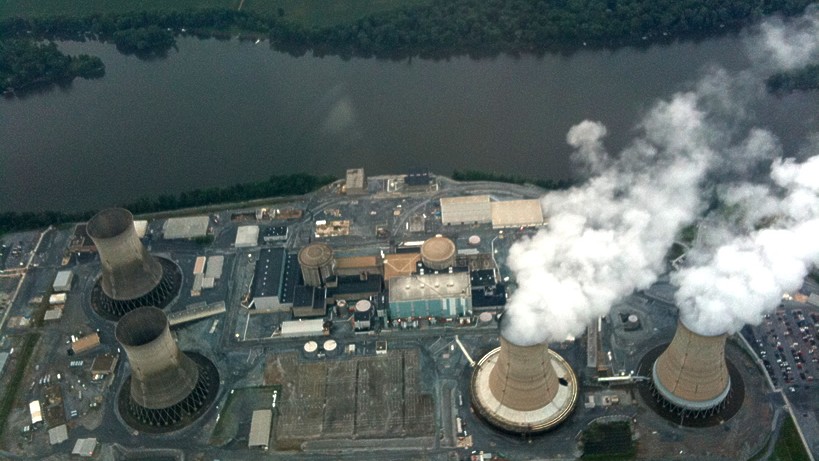
The U.S. Department of Energy has selected five states led by Republican governors as potential sites for nuclear fuel waste facilities in exchange for billions of dollars in support to advance manufacturing across the full nuclear fuel cycle.
The so-called Nuclear Lifecycle Innovation Campuses are an ambitious Trump administration initiative aimed at storing and repurposing spent nuclear fuel, supporting advanced reactor deployment, expanding domestic manufacturing, and potentially co-hosting data centers. DOE said this week that the campuses could attract up to $50 billion in capital investment, generate as much as $10 billion in state and local tax revenue, and create nearly 25,000 jobs.
DOE identified Utah, Tennessee, Oklahoma, Louisiana, and Idaho as potential hosts for the campuses, which are part of the administration's broader goal of expanding U.S. nuclear power. The White House wants to quadruple U.S. nuclear energy capacity from about 100 gigawatts now to 400 gigawatts by 2050.
Reestablishing the United States as a global leader in nuclear energy would also require the federal government to find places to store nuclear waste after it has served its purpose as reactor fuel.
According to DOE, the campuses in the five Republican-governed states would support activities across the full nuclear fuel lifecycle, including fuel fabrication, enrichment, reprocessing of used nuclear fuel, and final disposition of used nuclear fuel.
Depending on state priorities and regional capabilities, the campuses could also host advanced reactor deployment, power generation, advanced manufacturing, and co-located data centers, the department said. The data-center angle comes amid growing interest from major technology companies in securing dedicated nuclear power for energy-intensive AI and cloud computing operations, with several high-profile nuclear-energy agreements involving tech firms announced in 2024.
The problem of storing nuclear fuel has challenged U.S. administrations for decades. A previous plan to store spent fuel at Yucca Mountain in Nevada was halted after strong opposition from the state. The campus initiative represents a shift toward a volunteer-based, state-led approach, which DOE has explored in recent years through its consent-based siting efforts for interim storage.
The United States currently has no permanent disposal facility for spent nuclear fuel or other highly radioactive waste. Instead, spent fuel is stored at nuclear power plants and former nuclear sites, but that is not considered a permanent solution. The stock of spent fuel continues to grow, while advances in technology and manufacturing could make it possible to reprocess some or all of the waste.
As of 2025, more than 95,000 metric tons of spent nuclear fuel were stored across 79 sites in more than 30 states. DOE has estimated that this figure could rise to around 180,000 metric tons by the time current reactors reach the end of their operational lives.
DOE received 28 applications from 26 states for the new Nuclear Lifecycle Innovation Campuses. After reviewing those applications, the department selected Utah, Tennessee, Oklahoma, Louisiana, and Idaho.
The five states have either hosted major nuclear projects in the past, including the Manhattan Project, or are home to national laboratories known for nuclear research and fuel enrichment, such as Oak Ridge National Laboratory in Tennessee and Idaho National Laboratory, which specializes in nuclear research.
Potential reprocessing of spent fuel could support U.S. efforts to increase the domestic supply of nuclear-power-grade fuel and reduce dependence on foreign enriched uranium. That effort has gained urgency since the United States banned imports of Russian uranium under legislation signed into law in May 2024. Russia has historically been a significant supplier of enriched uranium for U.S. reactors. Reprocessed fuel could also be used in advanced nuclear reactors, which could be developed at the new campuses.
If the projects move to the operational stage, the campuses could combine nuclear waste reprocessing with nuclear energy innovation, advanced reactor research, and manufacturing.
Commenting on Idaho's selection, Governor Brad Little said in a DOE statement, "We look forward to working with DOE to continue advancing every stage of the nuclear lifecycle, strengthening our nation's energy security, creating good-paying jobs, and ensuring Idaho remains the home of America's nuclear renaissance."
By Tsvetana Paraskova for Oilprice.com

