Digital Asset SPAC Postpones Merger Vote, Leaving Undercapitalized Old Glory Bank Awaiting $50M Closing Cash
Key Takeaways
- •DAAQ rescheduled its merger vote from July 31 to August 14 without explanation, while the July 29 redemption deadline was not reopened.
- •Old Glory Bank's Tier 1 leverage ratio fell below 4% as of June 29, placing it in technical noncompliance with a merger covenant, and it is subject to a 14% ratio requirement under an FDIC consent order.
- •The merger agreement requires a minimum of $50 million in aggregate closing cash, but no PIPE or other transaction financing had been secured as of the July 7 prospectus.
- •The holding company's consolidated financial disclosures raised substantial doubt about its ability to continue as a going concern over the next 12 months.
- •A Federal Reserve application and Nasdaq listing approval both remained pending as of the final prospectus, representing unresolved closing conditions.
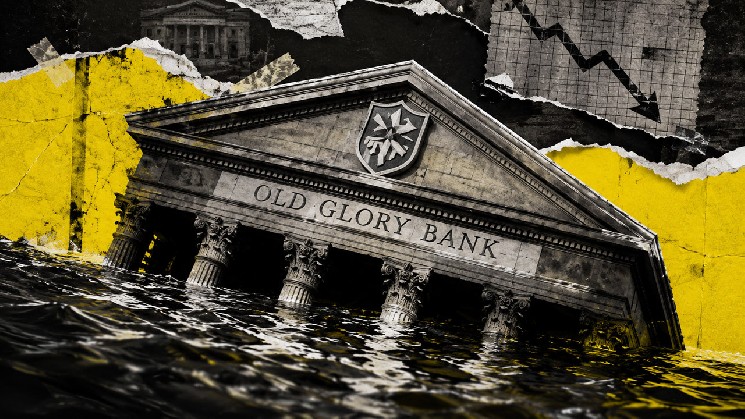
Digital Asset SPAC Postpones Merger Vote, Leaving Undercapitalized Old Glory Bank Awaiting $50M Closing Cash
Digital Asset Acquisition Corp. (DAAQ), the special-purpose acquisition company pursuing a business combination with the parent entity of Old Glory Bank, has pushed back its shareholder vote on the proposed merger. The meeting, originally scheduled for July 31, has been rescheduled to 10:00 a.m. Eastern Time on August 14.
The original meeting date came two days after the July 29 redemption deadline for shareholders. In a July 31 regulatory filing, DAAQ stated that it would continue soliciting proxies but offered no explanation for the delay. Vote postponements have been a recurring feature of SPAC deals over the past two years, often tied to shareholder redemption levels, regulatory approvals, or financing gaps that need to be resolved before a business combination can close.
The postponement did not automatically reopen the redemption window. According to DAAQ's final prospectus, investors could withdraw redemption requests through the July 29 deadline, and only with the company's consent thereafter, prior to closing. The filing does not indicate whether DAAQ has approved any post-deadline withdrawal requests.
Capital Shortfalls and the $50 Million Cash Condition
The transaction centers on Old Glory Holding Company, parent of the regulated Old Glory Bank, an Oklahoma-chartered institution operating under heightened regulatory oversight. Entering the vote window, the bank sat below two separate capital thresholds.
The final prospectus disclosed that Old Glory Bank's Tier 1 leverage ratio remained under the standard 4% level required to be classified as "adequately capitalized" as of June 29. This placed Old Glory in technical noncompliance with a covenant in the merger agreement, though the bank deemed that noncompliance nonmaterial, according to the filing.
A consent order issued in May 2024 by the Federal Deposit Insurance Corporation (FDIC) and the Oklahoma State Banking Department imposes a significantly stricter standard. Under that order, the bank must maintain a 14% Tier 1 leverage ratio for as long as the order remains active. The order also mandates regulator-reviewed capital and business plans and requires prior regulatory consent for any dividends or executive bonuses. Consent orders of this type are formal enforcement actions that bind a bank to corrective steps; they typically remain in effect until regulators are satisfied that the institution has returned to compliance and can sustain its capital position independently.
Additionally, federal prompt-corrective-action rules restrict the bank's ability to pursue growth, capital distributions, acquisitions, branch expansions, and new business lines while it remains classified as undercapitalized.
Consolidated financial disclosures from the holding company state that its existing capital is not expected to cover operating losses and minimum regulatory capital requirements over the next 12 months. This raises substantial doubt about the entity's ability to continue as a going concern.
Management has identified merger proceeds as a potential mitigating factor but cautioned that closing depends on third parties and market conditions and cannot be guaranteed. This going-concern warning does not constitute a declaration that the bank is insolvent or facing imminent closure.
Merger Cash Requirements and Outstanding Unknowns
The merger agreement mandates a minimum of $50 million in aggregate closing cash. That figure is to be calculated from trust cash remaining after shareholder redemptions, any PIPE (private investment in public equity) proceeds actually received, and proceeds from other transaction financing. The party that benefits from this condition may waive it through a signed written agreement where permitted by law.
As of March 31, DAAQ reported $178.58 million in trust securities and 17.25 million redeemable public shares. However, this historical balance does not reflect the funds that will actually be available at closing. High redemption rates have been common across the SPAC sector since 2022, meaning reported trust balances frequently shrink substantially by the time votes are held. The July 31 postponement filing did not disclose the July redemption tally or the remaining trust cash balance.
The July 7 prospectus stated that no PIPE or other transaction financing had been secured. A June filing indicated DAAQ's intention to negotiate non-redemption agreements, but the attached form listed no executed investors or committed share amounts.
Approval timelines also remain unresolved. As of the final prospectus, a Federal Reserve application was still pending, and Nasdaq's approval of the combined company's initial listing remained a closing condition. The July 31 filing announced neither approval, though the absence of an announcement does not confirm the current status of either item.
DAAQ now has an additional two weeks to secure shareholder votes while the deal's funding picture remains unclear. Clarity on the redemption count, firm financing commitments, and a current capital ratio will be needed to determine whether the transaction can clear the $50 million closing threshold and the full extent of Old Glory Bank's capital shortfall.

