Diageo investors await Dave Lewis strategy review as job cuts loom
Key Takeaways
- •Sir Dave Lewis is expected to announce significant job cuts at Diageo as part of a strategy review on Thursday, with non-revenue-generating teams being targeted across divisions.
- •Lewis took over as chief executive on January 1st following a difficult period for the company that included weakening demand, a $200 million hit from US tariffs, and the abrupt departure of predecessor Debra Crew after just two years.
- •In his first public update in February, Lewis halved Diageo's dividend to strengthen the balance sheet but otherwise avoided radical moves, emphasizing the need to fully understand the business first.
- •Lewis is considering price reductions and expanded smaller pack sizes to respond to weakening discretionary spending and customers shifting away from premium products.
- •Guinness continues to gain market share and Diageo's share price recently moved into year-to-date positive territory, providing positive momentum despite broader headwinds.
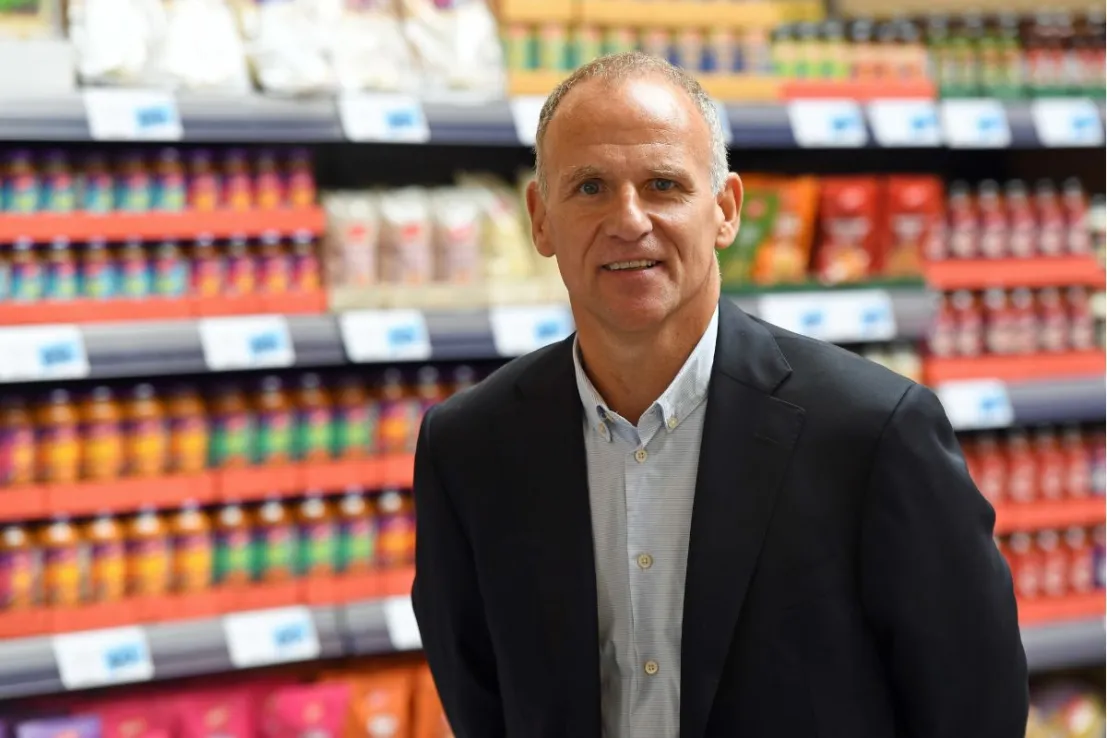
Putting the finishing touches to Diageo’s annual report, Sir Dave Lewis may be channelling the old slogan of the drinks giant’s prize brand, Guinness: “Good things come to those who wait.”
Since Lewis began his tenure as chief executive of the FTSE 100 company on New Year’s Day, investors have heard very little from him. Although the former Tesco boss earned the nickname “Drastic Dave” for his bold management style at Britain’s biggest grocer, where he led a sweeping turnaround after a 2014 accounting scandal, his leadership at Diageo has so far appeared more measured.
The drinks group, which owns Johnnie Walker, Smirnoff and Captain Morgan, is set to draw City attention on Thursday — not for its top-line results, but for its strategy review. That update is expected to reveal significant job cuts that would match Lewis’ reputation. Investors will be watching closely to see what the Guinness owner’s long-awaited plan contains.
Lewis took charge after a difficult 12 months for Diageo, a period marked by weakening demand and operational missteps. His predecessor, Debra Crew, left abruptly after just two years in the role, and the company reported a $200m (£153m) hit from US tariffs — tied to a long-running transatlantic trade dispute over aircraft subsidies — just weeks before Lewis took over.
Cautious start for Drastic Dave
Lewis’s first public update as chief executive in February took a notably restrained tone. He cut the group’s dividend in half to strengthen the balance sheet, but did little else that could be described as radical. When analysts asked why the next market update was not scheduled until this year’s third quarter, Lewis was careful not to encourage expectations of a rapid slash-and-burn cost-cutting drive.
He said he had already visited Diageo headquarters in North America, Latin America, Europe, the Middle East and India, but had not yet spent time in Africa or Asia. “I just want to make sure that I’ve got the firmest of foundations in understanding the business we have today,” he said.
The company’s half-year figures were affected by an “increasingly competitive and cautious” consumer environment in the US and slower sales in China, leaving several of the issues that troubled Crew still unresolved for her successor.
Lewis also outlined some priorities for his tenure, including adapting to changing drinking habits among younger generations and addressing the company’s “very poor” customer service. However, the full detail of his approach to running the alcohol giant has only begun to emerge in recent weeks.
Job cuts and restructuring take shape
Inside Diageo’s Soho headquarters, Lewis has started reshaping the business in his own image. He has instructed executives to reduce headcount across divisions, with “non-revenue-generating” teams among those in the firing line.
One insider told the Financial Times that the planned redundancies had created a “funeral home atmosphere” in the company’s offices. Lewis has also begun assembling a new senior team, hiring former Unilever colleague Marc Woodward to lead the domestic arm and appointing Procter & Gamble executive Sujay Wasan to head the Asia-Pacific region.
Beyond staffing, Lewis faces pressure from weakening discretionary spending, which is pushing customers to trade down from premium products.
He has praised Diageo’s “premiumisation” strategy, which built a portfolio of high-end brands under former chief executive Sir Ivan Menezes and became a cornerstone approach across the global spirits industry. But Lewis has also indicated that he may cut prices and expand the company’s range of smaller pack sizes, aiming to fit Diageo products into consumers’ tighter shopping baskets.
“There is some evidence of customers trading down to cheaper alternatives, which provides an immediate headwind to Diageo’s premiumisation aspirations,” said Richard Hunter, head of markets at Interactive Investor. “It remains to be seen whether the concerns overhanging the sector as a whole are cyclical or societal.”
Some bright spots remain
Despite the pressure, there are also signs of strength for Lewis. Guinness’s rapid market share gains in recent years have shown no sign of reversing, and Diageo’s share price moved into year-to-date positive territory for the first time late last week.
The company’s full-year results are also likely to benefit from the World Cup, with a possible further lift in the autumn as consumers turn to a pint of Guinness when temperatures begin to fall.

