Trump Administration Uses Customs Law to Secretly Seize Citizens' Private Records Without Judicial Approval
Key Takeaways
- •DHS is invoking the customs provision 19 U.S.C. § 1509 to obtain phone logs, social media details, and financial data from journalists and activists without a judge's approval.
- •After a federal judge twice rejected warrant requests for reporter Georgia Fort's data, DHS used the provision to obtain six months of her phone records — over 10,000 calls and texts — from T-Mobile, while Google refused to comply.
- •Summonses under the provision have also been served on Democracy Now, podcaster Megyn Kelly, and several unions and nonprofits, none of whom face charges.
- •Legal experts, including former DHS inspector general John Roth and former DHS attorney Chris Duncan, say the statute was designed for customs enforcement and does not reach speech, protest, or immigration matters.
- •Whether courts will limit the practice or Congress will narrow the statute remains unresolved as legal challenges proceed.
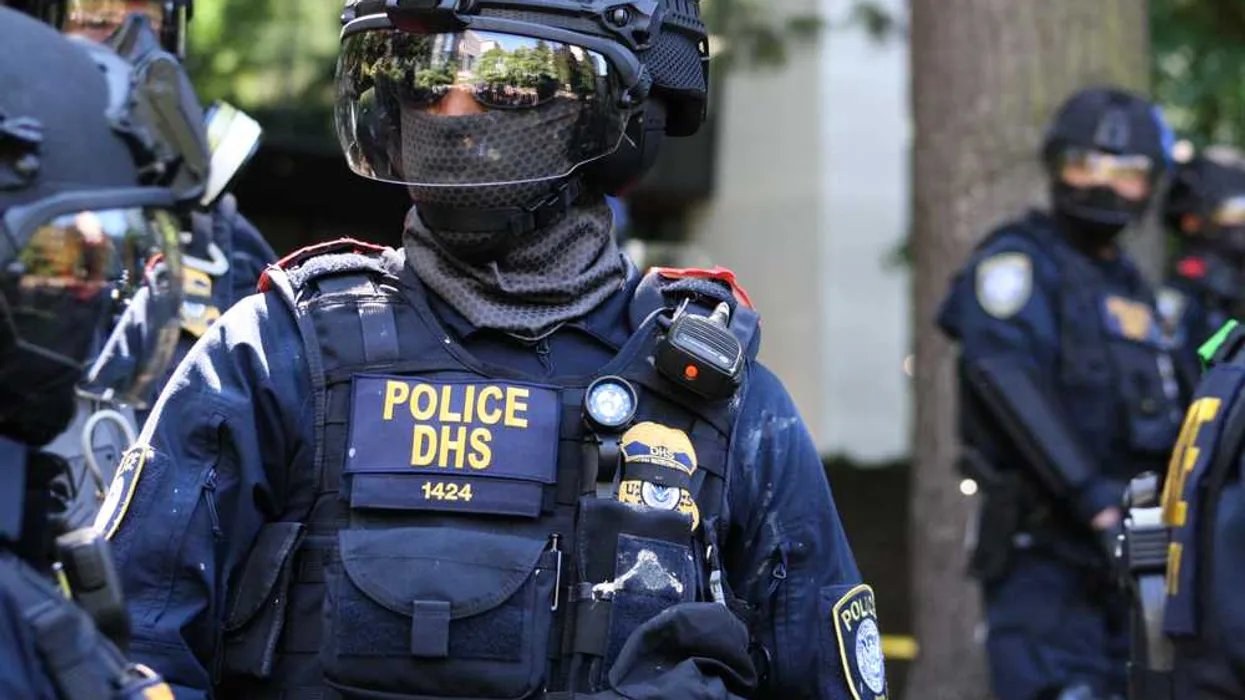
The Trump administration is quietly invoking a little-known customs law to obtain private records on journalists and activists without a judge's sign-off, according to a new report.
A Saturday report by The Guardian found that the Department of Homeland Security has been relying on a customs-import provision to demand phone logs, social media account details, and financial data. The requests require only an agency official's approval, and recipients are instructed to keep them secret. The provision at issue — 19 U.S.C. § 1509, part of the tariff and customs code — gives customs officials broad authority to summon records relevant to importing goods, a scope that legal experts say was never intended to reach ordinary domestic communications.
"They don't want a judge to take away this scary tool," warned Lauren Regan, executive director of the Civil Liberties Defense Center. "They are getting stuff out of it."
In one Minnesota case, DHS obtained six months of phone records for Minneapolis reporter Georgia Fort, according to The Guardian. DHS seized records covering more than 10,000 calls and texts after a federal judge had already rejected the Trump administration's request twice. The episode illustrates a core difference in the legal system between warrants and administrative summonses: warrants require probable cause and judicial review under the Fourth Amendment, while agency subpoenas generally carry a lower bar and can be challenged only after they are served — a gap recipients like Google and T-Mobile handled differently, with Google refusing and T-Mobile complying.
Fort is fighting a case brought by the Department of Justice after she and former CNN anchor Don Lemon were charged following their coverage of anti-ICE protests in January. When a judge turned down search-warrant requests for Fort's and Lemon's YouTube data and ruled that both should have a chance to push back, the Trump administration backed off, The Guardian noted.
Several weeks later, DHS — the parent agency of ICE — served Google with a summons seeking the same information and used the customs-import provision in question to bypass the courtroom entirely, according to The Guardian. Google refused to hand over Fort's account data, but T-Mobile complied with a demand for her phone records.
DHS has also used the provision to serve summonses on Democracy Now, right-wing podcaster Megyn Kelly, and several unions and nonprofits, even though none of them face charges, The Guardian reported. The breadth of the targets — spanning left-leaning outlets, a conservative media figure, and labor organizations — suggests the tactic is not confined to one ideological side of the press, which is likely to fuel broader First Amendment scrutiny from press-freedom groups and lawmakers.
Legal experts told the outlet that the tactic amounts to a straightforward abuse of a narrow statute designed for customs enforcement.
"It's outrageous conduct on so many levels," said John Roth, who led the DHS inspector general's office from 2014 to 2017. He called the DHS tactic an "improper use of the subpoena under any circumstances."
Former DHS attorney Chris Duncan said the customs-import provision does not reach speech or protest cases. "These laws have absolutely nothing to do with a domestic situation at a church, a social media post, even an immigration matter," Duncan told The Guardian. Whether courts will curb the practice — or Congress will move to narrow the statute — remains an open question as challenges to the summonses work through the legal system.
