Dr. Oz in the Hot Seat as Democrats Demand Answers on Delayed $50 Billion Rural Health Fund
Key Takeaways
- •Eighteen members of Congress sent a letter to CMS Administrator Mehmet Oz criticizing a nine-day delay in announcing second-year awards from the $50 billion Rural Health Transformation Program.
- •Second-year funding, originally due by Oct. 31, was announced on Nov. 9 after CMS cited an additional administrative process requirement discovered by officials.
- •Illinois received $3 million less than its $193.4 million first-year allocation, a roughly 1.5% cut, with no explanation from CMS and no information about an appeals process.
- •Lawmakers and the National Rural Health Association raised concerns that fund money could go to large consulting and technology firms instead of rural providers, and asked CMS for a searchable database to track spending.
- •The program was created to offset an estimated $137 billion in Medicaid cuts affecting rural America over 10 years, but five rural hospitals have closed or been converted to lower-level facilities since the fund was established.
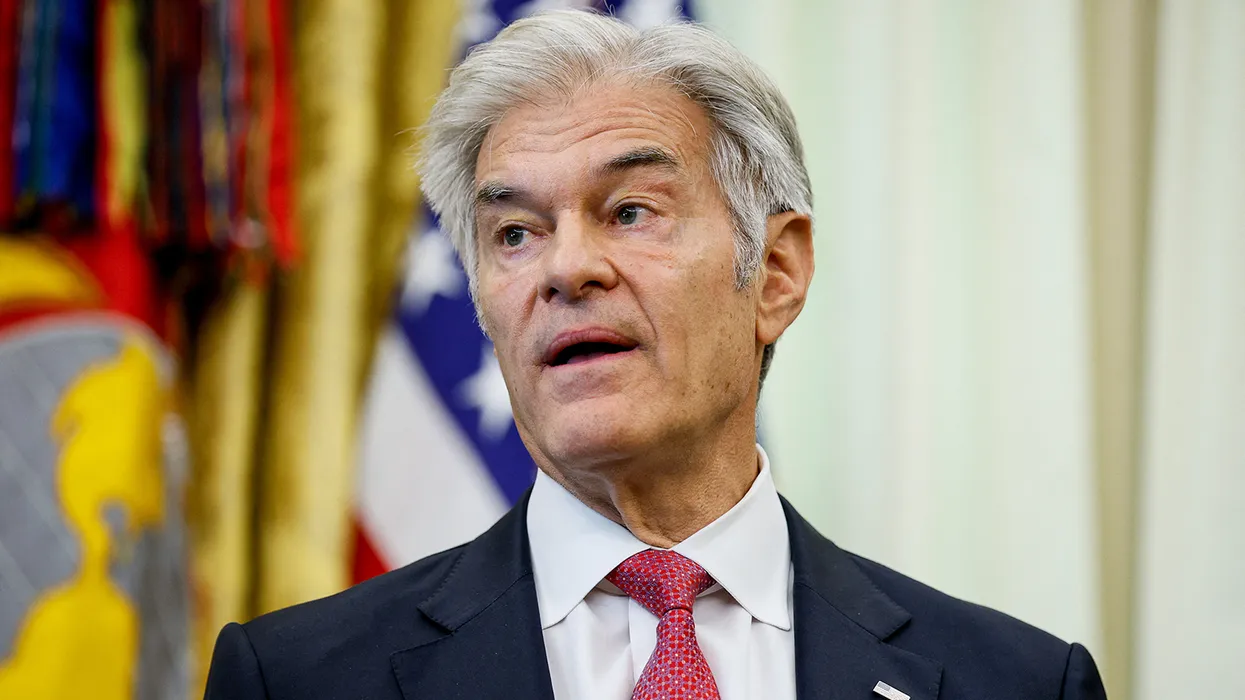
Congressional Democrats are demanding answers and greater transparency from the Trump administration after annual awards from a $50 billion fund intended to improve health care for rural Americans were delayed by nine days.
Describing rural care as “in an acute state of crisis,” 18 members of Congress sent a letter late Thursday to Centers for Medicare & Medicaid Services (CMS) Administrator Mehmet Oz. The letter pointed to what it called “an alarming lack of public transparency” and warned that the fund “lacks sufficient guardrails to protect rural hospitals at greatest risk of closure.”
Illinois Rep. Nikki Budzinski said her state “got no explanation from CMS as to why” it received $3 million less in its second-year allocation from the Rural Health Transformation Program — a cut of roughly 1.5% from its $193.4 million first-year award. State leaders, she added, have received no information about an appeals process.
Any delay in learning how much a state will receive, along with any reduction in base funding, is significant, Budzinski argued, because states need to plan for an “acute impact” from the loss of other federal funding.
How the $50 Billion Is Distributed
In the program's first year, states competed for their initial share of the $50 billion, which is being handed out at $10 billion a year over five years. Winning awards ranged from $147 million to $281 million. Most of the lawmakers who signed the letter represent states that lost funding this year. Rep. Terri Sewell of Alabama, which received $4.1 million less, and Sen. Michael Bennet of Colorado, which saw a nearly $3 million drop, helped spearhead the letter along with Budzinski.
One of Budzinski's chief concerns, she said, is “making sure that the money isn't going to consultants, that it's actually getting to the rural providers that it is supposed to be getting to.” The lawmakers asked Oz to respond to a set of detailed questions by Nov. 25. They also requested a briefing on the delays to the funding announcement — which KFF Health News was first to report — and on the impact to states. Whether CMS responds by that deadline is the next concrete development to watch in the ongoing oversight effort.
The second-year awards were due to be announced by Oct. 31. But in an Oct. 30 letter, CMS said officials had “discovered an additional administrative process requirement.” The second-year funding was instead announced on Nov. 9.
“Those kind of delays prevent a state to fully prepare for what's to come,” Budzinski said.
CMS, which oversees the fund through its newly formed Office of Rural Health Transformation, did not respond to questions for this article before the given deadline.
‘Retail Therapy for Congress’
Republicans passed the Rural Health Transformation Program last summer as a last-minute sweetener designed to offset other ramifications of President Donald Trump's signature budget law, including an estimated $137 billion in Medicaid spending cuts for rural America over 10 years. The fund's five-year payout schedule means the new money will be fully distributed around the halfway point of the 10-year window over which those cuts are estimated to hit rural America.
Cara James, president and chief executive of Grantmakers in Health, called the rural money “retail therapy for Congress” while speaking at a Milken Institute event this month. Because the same law cut Medicaid spending, which rural hospitals and patients disproportionately use, along with supplemental food assistance and other government grants, the short-term money will not “help sustain people” in rural America, James said. She then posed a persistent fear about the fund: “If it's even getting to the communities.”
Five rural hospitals have closed or been converted into lower-level facilities since the rural fund was created, including one in Michigan that shuttered its beds and switched to providing only emergency services in order to survive, according to a list curated by the Cecil G. Sheps Center for Health Services Research at the University of North Carolina.
The Democrats' letter voiced lawmakers' concern that too much of the rural fund “could flow to large consulting and technology firms rather than supporting providers and communities on the ground.”
How States Competed
After the law passed last year, state leaders had just over seven weeks to write applications as they competed for the first-year funds. All 50 states won funding, with allocations determined by a federal scoring process. Officials are required to revisit the funding allotments each year, meaning the awards — and the state planning built around them — are reopened annually rather than locked in for the program's five-year run. Most states saw their funding change by less than 2%, with North Dakota and Iowa posting the largest gains and New Jersey, Florida, and Vermont seeing the biggest reductions.
Although federal officials have created state data maps, released a slew of press announcements, and led sessions on the complicated scoring of state applications, Alan Morgan, chief executive of the National Rural Health Association, said that is not enough. The association, which represents hospitals and community clinics nationwide, sent its own letter to federal officials on Nov. 9. Morgan said the way states win money needs “to be articulated in a way that success can be replicated by all states going forward.”
Morgan said his association's analysis found that state leaders are sending the federal money to local hospitals and clinics because communities and individuals are “relying on rural hospitals to be there to deliver care.” It remains unclear, he said, how much of the overall rural fund local hospitals are actually receiving versus how much is benefiting other entities, such as consultants.
In their letter, Budzinski and the other Democrats asked whether CMS would establish a searchable database to track spending. They also requested an explanation of how federal officials will evaluate state performance and allocate awards.
Repeated Inquiries, Few Answers
The letter is only the latest congressional outreach to federal health officials on the issue. In August 2025, one month after the law passed, Democrats sent a letter about the program's rollout to Health and Human Services Secretary Robert F. Kennedy Jr. Last November, Budzinski reached out to Oz on behalf of Illinois. And in June, Bennet joined Republican Sen. Susan Collins of Maine and others in signing a letter asking that the funds be targeted to rescue rural hospitals and clinics.
“We haven't gotten full responses to any of these inquiries,” said Budzinski, who is set to become chair of the House's largest Democratic caucus, the New Democrat Coalition, as Democrats prepare to take control of Congress.
KFF Health News is a national newsroom that produces in-depth journalism about health issues and is one of the core operating programs at KFF, an independent source of health policy research, polling, and journalism.

