NYT Columnist Jamelle Bouie Says Democratic Midterm Wins Equip Party to Counter Trump's 'Real and Serious' 2028 Election Plot
Key Takeaways
- •Jamelle Bouie contends that Democrats' state-level midterm victories, including governing trifectas in several states, serve as a vital bulwark against potential election subversion schemes in the 2028 presidential election.
- •Bouie stated he is confident Trump will attempt what he calls "real and serious shenanigans" in 2028, while having dismissed the prospect of heavy Trump meddling in the 2026 midterms.
- •U.S. presidential elections rely on state officials certifying results and governors appointing electors through certificates of ascertainment, a process Congress tightened via the Electoral Count Reform Act of 2022.
- •Democrats now hold all major swing states and all states surrounding Washington, D.C., placing state certification deadlines, elector appointment, and the January 2029 electoral vote count largely in Democratic hands.
- •Trump has repeatedly floated seeking a third term despite the 22nd Amendment's two-term limit, ratified in 1951, though he has since backed away from those remarks while concerns persist about whether he would peacefully cede power.
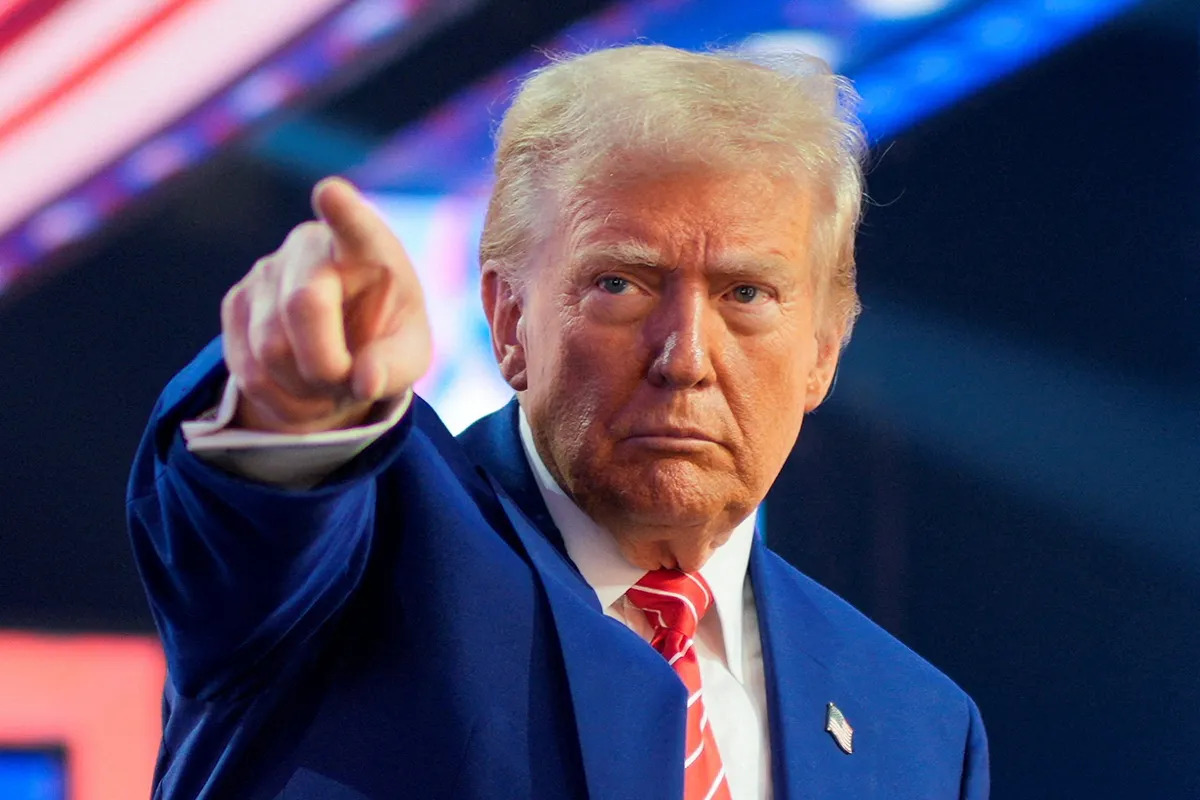
Democrats' sweeping gains in the recent midterm elections have handed the party critical tools to counter what New York Times columnist Jamelle Bouie describes as President Donald Trump's expected "real and serious shenanigans" in the 2028 presidential election.
In the latest installment of his "Takes" series on YouTube, Bouie argued that Democrats' considerable strength at the state level — including governing trifectas in several states — could have profound consequences. Beyond enabling the party to enact new laws and policies that Trump could otherwise block at the federal level, he said, those victories would serve as a vital bulwark against potential election subversion schemes. The stakes he describes mirror how U.S. presidential elections are actually run: state officials certify results, and governors formally appoint each state's electors through certificates of ascertainment — a process Congress tightened in the Electoral Count Reform Act of 2022.
"It really matters who holds these seats. It also matters a great deal for the 2028 election," Bouie said. "I myself am very confident that Trump will attempt real and serious shenanigans for 2028 in a way that they didn't quite do for 2026."
He added: "The prospect of him leaving, of him sacrificing power, of him giving it up, I think puts us all into a danger zone. And so it's important that, as far as I can tell, all the swing states are led by Democrats. It's important that Washington D.C., on its Maryland and Virginia sides... is surrounded by Democratic-led governments. For maintaining the integrity of elections, of ensuring free and fair elections, it is important that Democrats have won a lot of power at the state level."
Bouie has long warned that 2028 is the year Trump's anti-democratic tendencies could become a genuine danger, while having dismissed the prospect of his meddling heavily in the midterms. Trump has repeatedly signaled an unwillingness to cede power peacefully — most starkly evidenced by the Jan. 6 Capitol riot — and, notably, has treated the White House and Washington, D.C., as a whole as his personal property rather than something he intends to hand over once his second term ends.
Democrats, however, now hold power in enough states — including all of the major swing states and all of the states surrounding the nation's capital — to help prevent potential power grabs, according to Bouie's analysis. With the midterm results settled, the machinery Bouie points to — state certification deadlines, the appointment of electors, and Congress's electoral vote count in January 2029 — sits largely in Democratic hands in those same states.
Trump has repeatedly flirted with the idea of seeking a third term since returning to the White House, a notion several Republicans went along with despite the Constitution's explicit term limits. Those limits come from the 22nd Amendment, ratified in 1951 in the wake of Franklin D. Roosevelt's four election victories, which bars anyone from being elected president more than twice. Trump has since backed away from those musings, but major concerns remain about whether he would peacefully abdicate power in what Alternet describes as the increasingly likely scenario that a Democrat wins the White House in 2028 — particularly a candidate who has promised to prosecute his corruption and dismantle his vanity projects.

