Trump Could Face Investigations Into Retirement After GOP's 2026 Midterm Setbacks
Key Takeaways
- •The Republican Party's major losses in the 2026 midterm elections have raised the prospect of congressional Democratic investigations into Trump that could continue after his second term ends.
- •The Trump administration has committed to fighting congressional information requests and has threatened to prosecute members of Congress over probes it considers unwarranted, even though lawmakers hold constitutional immunity.
- •Previous accountability efforts largely failed, as lawmakers did not convict Trump over the January 6 Capitol attack and the Supreme Court granted him immunity for many of his actions.
- •Steve Bannon and Peter Navarro each served prison time after being convicted of contempt of Congress for defying January 6 committee subpoenas, showing that refusals to cooperate can carry real legal penalties.
- •Commentators including Bill Press and the authors of the book 'Injustice' argue that the Biden administration and Attorney General Merrick Garland missed a brief opportunity after January 6 to hold Trump accountable.
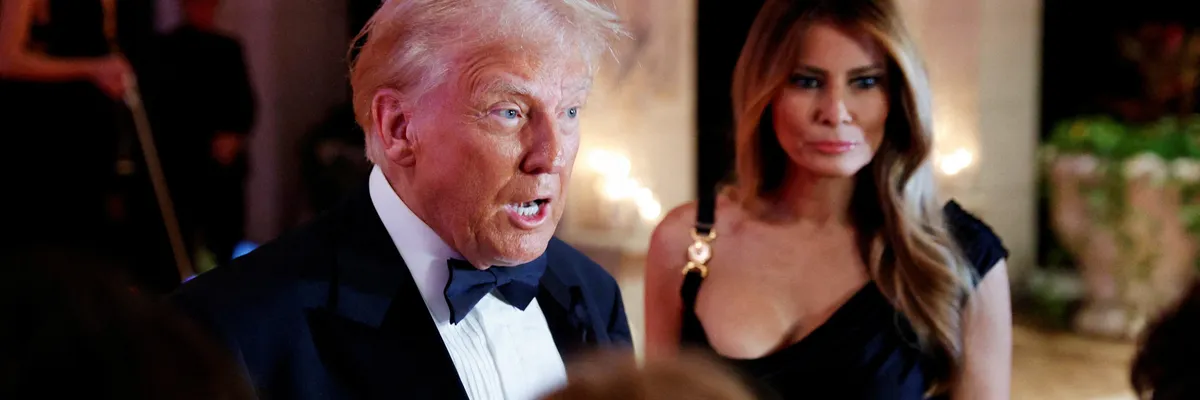
President Donald Trump is confronting a fresh political challenge after his Republican Party suffered major setbacks in the 2026 midterm elections: congressional Democrats may launch investigations that follow him even after his second term in office ends.
NBC News reported on Wednesday that the Trump administration has already pledged to fight requests for information and has even issued its own threats to prosecute members of Congress for mounting what it deems unwarranted investigations — despite the legal immunity lawmakers enjoy under the Constitution. The confrontation sets up another test of Congress's constitutional authority to extract information from a sitting administration — a push-and-pull that has repeatedly ended up in court.
"I expect this administration to throw any argument they can think of in the way of these requests," Emily Berman, an expert on executive power at the University of Houston Law Center, told the network. "If you delay enough, people move on to the next outrage."
NBC News noted that once Trump leaves office, a new president and whichever party controls Congress will have to decide whether to keep focusing on a past administration's alleged wrongdoings. How firmly congressional Democrats pursue those investigations — and how far the administration's pledged resistance holds up — will be among the questions to watch as the new Congress organizes. On the last such occasion, those efforts fell short: lawmakers failed to convict Trump over the January 6 attack on the U.S. Capitol before his second election victory, and the Supreme Court granted him immunity for many of his actions.
Still, the January 6 committee was able to issue a damning report that pinned the blame for the attack on Trump, the network reported. Two Trump allies, Steve Bannon and trade adviser Peter Navarro, were both successfully prosecuted for contempt of Congress for refusing to comply with subpoenas issued by the committee, and both served prison time — a reminder that even when a president escapes conviction, congressional inquiries can still carry concrete legal consequences for those who refuse to cooperate.
Meanwhile, The Hill contributor Bill Press argued last year that the Biden administration and congressional Democrats failed to prevent future abuses of power by not doing enough to hold Trump and his administration accountable after his first term.
"With all the problems under this second Trump administration — the economy teetering on collapse, military forces deployed in American cities, the Justice Department preying on Trump's enemies, America waging a questionably illegal war against alleged drug smugglers from Venezuela, presidential pardons flowing from the White House, Congress surrendering its independence to the executive branch, and American politics hopelessly and bitterly divided — these are also 'times that try men's souls,'" Press wrote in 2025.
Citing the book "Injustice: How Politics and Fear Vanquished America's Justice Department," by Washington Post investigative reporters Carol Leonnig and Aaron C. Davis, Press noted that the authors argued "it was right then, immediately after Jan. 6, that Garland had a 'fleeting moment' to hold Trump accountable. He failed to do so."

