House Democrats Weigh Broader Crypto Market Structure Bill After US Midterms
Key Takeaways
- •House Democrats are considering expanding Rep. Maxine Waters' Crypto Investor and Consumer Bill of Rights amendment into a broader crypto market structure bill in the next Congress, though no legislation has been formally introduced.
- •The reported plan would increase the SEC's authority over crypto markets while reducing the CFTC's role, shifting the oversight balance established under the Clarity Act.
- •Stand With Crypto endorsed 45 midterm candidates, of whom 27 won, 12 lost, and six races remained live at the time of the report, with nearly half of the endorsements going to Democrats.
- •The defeat of Rep. Bryan Steil, who chaired the House digital assets subcommittee and was closely involved in advancing the Clarity Act, was described by CoinShares' James Butterfill as a meaningful loss for crypto.
- •Analysts said the election results could slow the Clarity Act, with GSR's Carlos Guzman noting that any agreement would likely require stronger provisions on consumer protection and conflicts of interest.
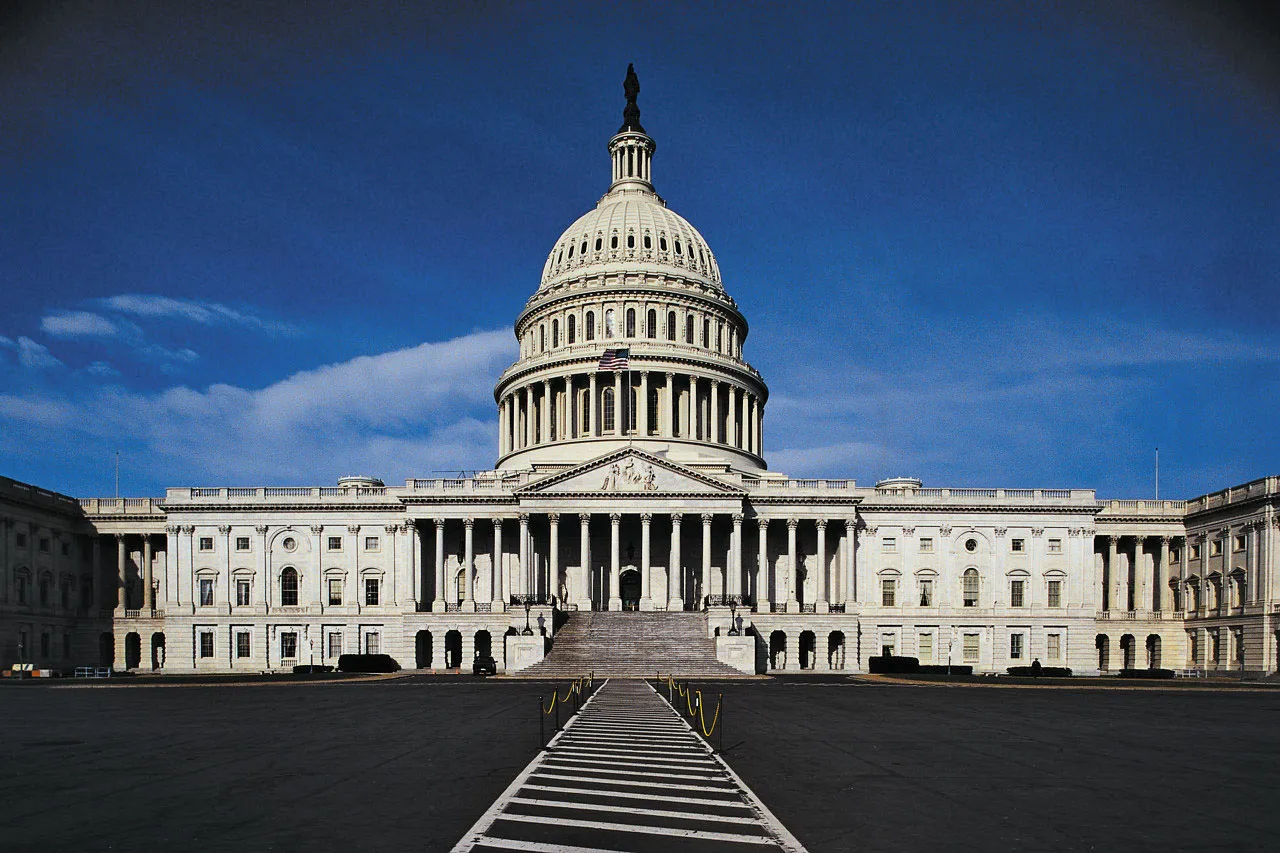
House Democrats are weighing a plan to advance broader crypto market structure legislation following the U.S. midterm elections, according to a report by journalist Eleanor Terrett. Under the proposal, Rep. Maxine Waters' Crypto Investor and Consumer Bill of Rights amendment to the Clarity Act would be expanded into a wider bill in the next Congress.
Sources told Terrett the plan would give the Securities and Exchange Commission (SEC) greater authority to supervise crypto markets while limiting the role of the Commodity Futures Trading Commission (CFTC). How the two agencies divide oversight of digital assets — and whether a given token is treated as a security or a commodity — has been the central unresolved question in U.S. market structure debates, since it determines which regulator supervises crypto trading platforms. Democrats have discussed the expansion, but the report does not describe a bill that has been formally introduced or approved.
The reported proposal comes after an election in which support for crypto policy crossed party lines, even as analysts suggested the Clarity Act could face a more difficult path. Terrett's report covered both the legislative discussions and the midterm results.
Election Results and Crypto Advocacy
Stand With Crypto endorsed 45 candidates in the midterms, according to its election tracker. Of those, 27 endorsed candidates won, 12 lost, and six races remained live at the time of writing. Nearly half of the endorsed candidates were Democrats.
"We're proud to see a majority of our endorsed candidates win their elections," Mason Lynaugh, the organization's executive director, said in a statement shared with Decrypt. He also thanked candidates who will not return to Washington for advocating on behalf of Americans who own crypto.
James Butterfill, head of research at CoinShares, described the defeat of Republican Bryan Steil as a "meaningful loss" for crypto. Steil chaired the House digital assets subcommittee and had been closely involved in efforts to advance the Clarity Act, which stalled in the Senate earlier this year.
Butterfill also cited Democrats Chris Pappas in New Hampshire and James Talarico in Texas, along with Wyoming Republican Harriet Hageman, as winners who have backed crypto policy. Converting that support into legislation, he said, would be the challenge.
Clarity Act Negotiations Could Become Harder
Analysts told Decrypt the election results may slow the Clarity Act, which aims to establish rules for crypto markets and has been under debate since 2025. The bill passed the House in July 2025 with bipartisan support before stalling in the Senate, and under its framework digital commodity markets would fall under CFTC oversight while crypto assets treated as securities would remain with the SEC — the balance the reported Democratic plan would shift. Carlos Guzman, GSR's vice president of research, said passing the bill had become tougher, though he did not consider it "game over."
Guzman noted that some Democrats support clearer crypto rules but may not place the issue high on their agenda. Any agreement, he added, would likely require stronger provisions on consumer protection and conflicts of interest.
Democrats have objected to the Clarity Act by citing President Trump's crypto conflicts of interest. According to the report, Senator Elizabeth Warren has pushed for a ban on officials and their families profiting from the sector.
Guzman added that the election would not automatically replace SEC or CFTC leadership or end agency rulemaking. Congressional oversight would change, however, potentially bringing greater scrutiny of regulatory decisions, and Democrats could also influence agency funding and future appointments.
Agency Action Remains Part of the Debate
Butterfill said the SEC and CFTC are pursuing regulatory clarity without waiting for Congress, and he believes crypto is becoming less dependent on the Clarity Act. He also suggested that attention to artificial intelligence regulation could slow crypto policy work.
The election result alone, he said, would not change his medium-term Bitcoin outlook. Slower reform could delay some institutional activity, while U.S. crypto businesses that need new regulatory permissions could feel a more direct effect, he told Decrypt.
The next step described in the report is whether House Democrats turn their discussions into a broader proposal in the next Congress. The new Congress convenes in January, when committee leadership and the legislative agenda are organized — steps that shape which bills get floor time.

