Senior US Democrat Questions SpaceX Government Contracts Over Starshield Disruptions in Ukraine
Key Takeaways
- •Representative Jim Himes is questioning whether U.S. government contracts with SpaceX should continue following reported October disruptions to Starshield, the U.S.-funded satellite service used in Ukraine.
- •Himes said his staff repeatedly requested a briefing from SpaceX about the Starshield disruptions but did not receive a substantive response.
- •Elon Musk said SpaceX restricted commercial Starlink in Ukraine because the service had been used for offensive drone strikes that violated its terms of service.
- •Musk has maintained that Starshield, unlike commercial Starlink, is funded and controlled by the U.S. government.
- •Unanswered congressional briefing requests could lead lawmakers to pursue more formal oversight channels, including committee-level inquiries.
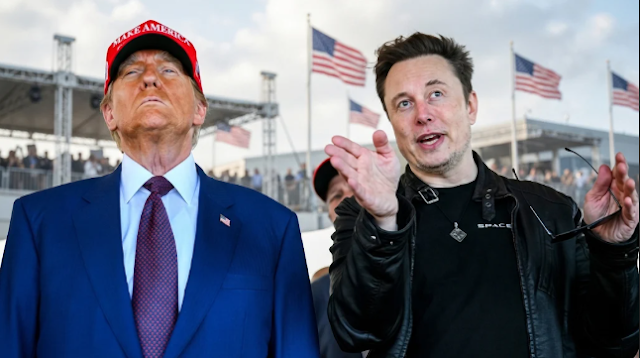
A senior U.S. House Democrat is questioning whether the federal government should continue its contracts with SpaceX following reported disruptions to Starshield, the U.S.-funded satellite communications service used by Ukraine. The concerns center on service interruptions that took place in October and on the company's handling of repeated requests from congressional staff for an explanation.
According to Coin Bureau, which highlighted the matter in a post on X citing a report by The Independent, Representative Jim Himes is seeking answers from SpaceX about the disruptions. Himes wants the company to explain what happened to Starshield during October, raising questions about the operation of a U.S.-funded satellite service that supports Ukraine's communications. For a country operating in an active conflict environment, continuity of satellite connectivity carries operational weight, which is why questions about service reliability extend beyond an ordinary commercial dispute.
Himes Seeks a Briefing From SpaceX
Himes said his staff had repeatedly requested a briefing from SpaceX about the Starshield disruptions but had not received a substantive response. The absence of detailed answers has added to concerns about the company's accountability in connection with a service supported by U.S. government funding. Briefing requests from congressional staff are a routine instrument of legislative oversight, and unanswered requests can lead lawmakers to pursue more formal channels, including committee-level inquiries.
The congressman's questions also extend to the broader relationship between SpaceX and the federal government. He has raised whether U.S. government contracts with the company should be reconsidered in light of the reported interruptions and the lack of a satisfactory explanation.
Starshield sits at the center of the dispute. It is a SpaceX satellite service funded by the U.S. government and used in Ukraine, and the questions raised by Himes concern both the reliability of the service and the extent to which decisions by SpaceX could affect communications infrastructure supporting the country.
Musk Draws a Distinction Between Starlink and Starshield
SpaceX CEO Elon Musk has previously addressed restrictions involving the company's commercial Starlink satellite service in Ukraine. Musk said SpaceX restricted commercial Starlink because Ukraine had used the service for offensive drone strikes, which he said violated the company's terms of service.
That explanation separates the commercial Starlink service from Starshield, which Musk has said is funded and controlled by the U.S. government. Musk has maintained that the U.S. government controls Starshield, a distinction he has placed at the center of the questions surrounding the reported disruptions.
The two services have become part of a broader discussion about the relationship between private satellite operators, government funding and military operations. While Musk attributed the Starlink restrictions to terms of service, Himes is seeking a separate explanation for the October disruptions affecting Starshield. The episode adds a further layer to the scrutiny SpaceX's services in Ukraine have attracted, where satellite connectivity has become embedded in wartime communications.
Oversight of Publicly Funded Satellite Services
The dispute places renewed attention on the responsibilities of private technology companies that provide satellite infrastructure for government-supported operations. It also raises questions about transparency when congressional representatives seek information about services financed with public funds.
For Himes, the immediate issue is obtaining a substantive explanation from SpaceX about what happened in October and why repeated requests from his staff did not produce meaningful answers. His questions about U.S. government contracts with the company carry the issue beyond service reliability and into the broader question of government oversight. What happens next depends on whether SpaceX supplies the substantive briefing Himes is seeking, and on how he and other lawmakers proceed if those questions remain unanswered.
Coin Bureau's report, citing The Independent, identifies the October Starshield disruptions, Himes's unanswered briefing requests and Musk's explanation for restricting commercial Starlink as the central elements of the dispute. Musk has maintained that the U.S. government controls Starshield, while Himes continues to seek further clarification from SpaceX.
This article is based on a report originally published by Hokanews.

