Delaware advances 16 MW of community solar projects through JobsFirst Permitting Accelerator Program
Key Takeaways
- •Four community solar projects located in Seaford, Townsend and Clayton have been accepted into Delaware's First Permitting Accelerator Program.
- •The projects are expected to generate more than 16 MW of solar energy and represent over $73 million in clean energy investment.
- •State officials estimate the projects could deliver electricity cost reductions of 10 to 15% for more than 16,000 Delaware households.
- •The First Permitting Accelerator Program is part of the JobsFirst initiative led by Gov. Matt Meyer, which coordinates state agencies through shared timelines and a single point of contact to reduce permitting delays while maintaining environmental protections.
- •Community solar enables renters and homeowners whose properties are unsuitable for rooftop installations to subscribe to shared solar arrays and receive credits on their electricity bills.
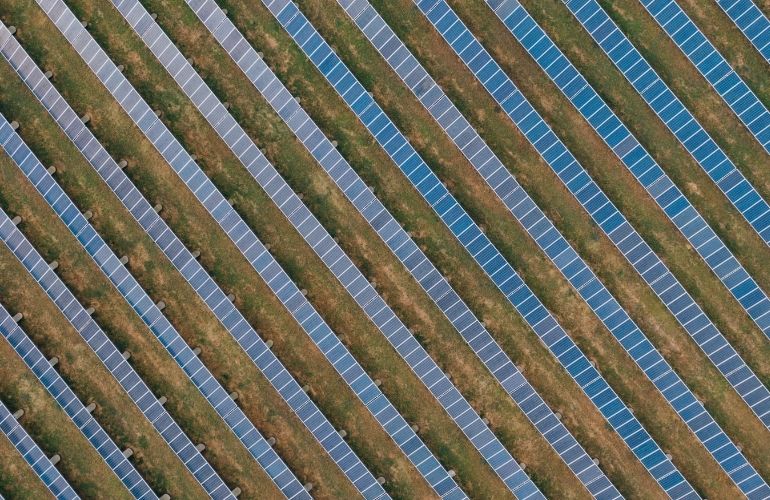
Four new community solar projects are moving forward in Delaware, supporting efforts to expand clean energy, strengthen the electric grid and improve energy affordability for Delaware households.
The projects, located in Seaford, Townsend and Clayton, have been accepted into Delaware's First Permitting Accelerator Program. They are expected to generate more than 16 MW of solar energy and represent more than $73 million in clean energy investment.
JobsFirst is an initiative launched by Delaware Gov. Matt Meyer to reform the state's permitting systems and accelerate infrastructure, housing and energy projects. The program brings state agencies together through coordinated reviews, shared timelines and a single point of contact for qualifying projects. Its stated goal is to reduce unnecessary delays while maintaining environmental protections and opportunities for public input. Permitting timelines are among the most frequently cited constraints on energy construction, and coordinated-review models like JobsFirst reflect a broader effort among state policymakers to shorten project schedules without weakening environmental review.
Community solar allows utility customers — including renters and homeowners whose properties are not suited for rooftop installations — to subscribe to a share of a shared solar array and receive credits on their electricity bills for the power it produces. Such programs are administered at the state level and are designed to broaden access to solar energy beyond individual rooftop systems. States such as Minnesota, New York, Massachusetts and Illinois have developed some of the country's larger community solar programs, placing Delaware's expansion within a wider, multistate buildout of the model.
According to state officials, the four Delaware projects could provide an estimated 10 to 15% reduction in electricity costs for more than 16,000 Delaware households. The developments are part of the state's broader efforts to expand energy resources, support grid reliability and identify opportunities to make energy more affordable for customers.
How quickly the four projects move from permitting toward construction will offer an early indication of whether JobsFirst's coordinated approach can translate its timeline goals into faster clean energy delivery in the state.
The Delaware Public Service Commission website provides information about Delaware's community solar program, how it works and a list of approved community solar projects.
item from the Delaware Public Service Commission.

