AI, drones and data drive record $4.1bn defence tech start-up investment
Key Takeaways
- •Dealroom said defence contractors have participated in $4.1bn of venture capital rounds this year, the highest level on record.
- •White & Case reported 42 global defence M&A deals in the first half of 2026, up 56% from a year earlier.
- •Lockheed Martin pledged at least $100m for UK and European defence technology start-ups and increased its venture fund to $1bn.
- •BAE Systems committed €50m to two European defence venture funds, and Airbus became the anchor investor in a new €500m dual-use technology fund.
- •The UK government awarded £708m to BAE Systems and Team Tempest partners to continue work on the Future Combat Air System.
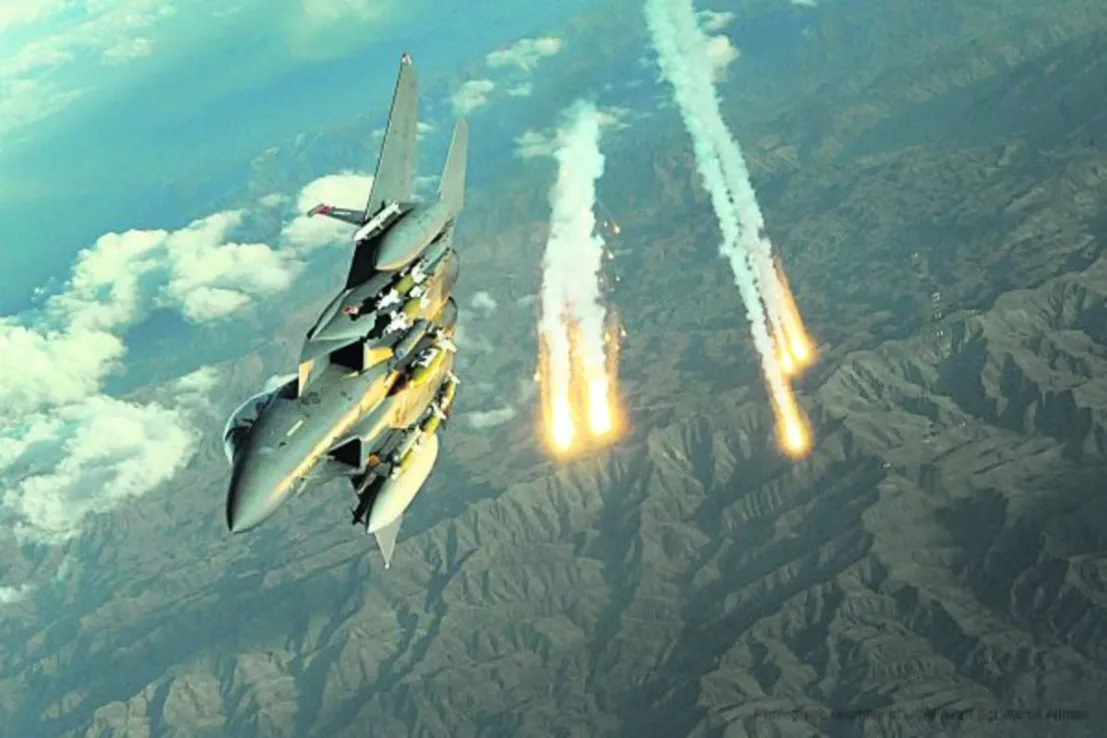
Investment in defence technology start-ups has reached a record high this year as the world’s largest arms companies increase spending on new military technology and governments put more emphasis on digital capabilities alongside traditional hardware.
New figures from Dealroom show defence contractors including BAE Systems, Lockheed Martin and Airbus have participated in $4.1bn (£3bn) of venture capital funding rounds so far this year, the highest figure on record.
Meanwhile, separate research from White & Case found 42 defence mergers and acquisitions were completed globally in the first half of 2026, up 56 per cent from the same period last year.
Daniel Turgel, co-head of White & Case’s Global Technology Industry Group, said the sector was seeing strong demand for companies developing AI, cyber security and autonomous systems.
“With AI, autonomous systems, space-based sensing and cybersecurity redefining how conflicts are fought and won, the race to acquire and invest in defence technology is intensifying,” he said. “The world’s largest defence companies are seeking to strengthen their technology portfolios through acquisitions and large funding rounds.”
Turgel said higher defence budgets and record levels of private capital meant investment and dealmaking were likely to remain strong beyond 2026.
The figures come after several large investments by defence manufacturers in recent weeks, underscoring how established contractors are using venture funds and direct backing to access technologies that can be developed faster by start-ups.
Lockheed Martin last week pledged at least $100m for UK and European defence technology start-ups and expanded its venture investment fund from $400m to $1bn.
BAE Systems has committed €50m to two European venture funds focused on defence, while Airbus has become the anchor investor in a new €500m fund backing dual-use technologies.
German drone maker Quantum Systems raised $1.2bn earlier this month at a valuation of about $8bn, while UK maritime defence business Kraken Technology secured $175m at a $1bn valuation with backing from Rheinmetall.
Kraken Technology Group raises $160m at $1bn valuation
Britain steps up defence spending
Last week ministers awarded £708m to BAE Systems and its Team Tempest partners to continue developing the Future Combat Air System.
The programme includes work on AI, robotics, digital engineering and advanced manufacturing, and supports a supply chain of around 600 companies and academic institutions across the UK.
The government is also backing new defence businesses. The Technology and Growth Alliance, whose members include BAE Systems, Thales, Leonardo and Helsing, aims to help create 20 defence technology spinouts a year by turning military research into commercial businesses.
Andy Burnham has also indicated defence will remain a priority after appointing former defence secretary John Healey as Chancellor.
Burnham aware of Healey’s extra £9bn spending demands
The prime minister said on Sunday he was “very aware” of Healey’s calls for higher defence spending and that fully funding the Defence Investment Plan would be one of the new Chancellor’s first tasks.
Axel Belorde, head of business development for EMEA and Asia at TMX VettaFi, said investors were increasingly looking beyond traditional defence manufacturers.
He said software, cyber security and autonomous systems were becoming just as important as military hardware.
“More and more data is going to win wars,” Belorde said. “If that data gets compromised, you’re better off with no data than compromised data.”
Belorde added that many defence technologies also have civilian uses, from logistics to predictive maintenance, broadening the investment opportunity.

